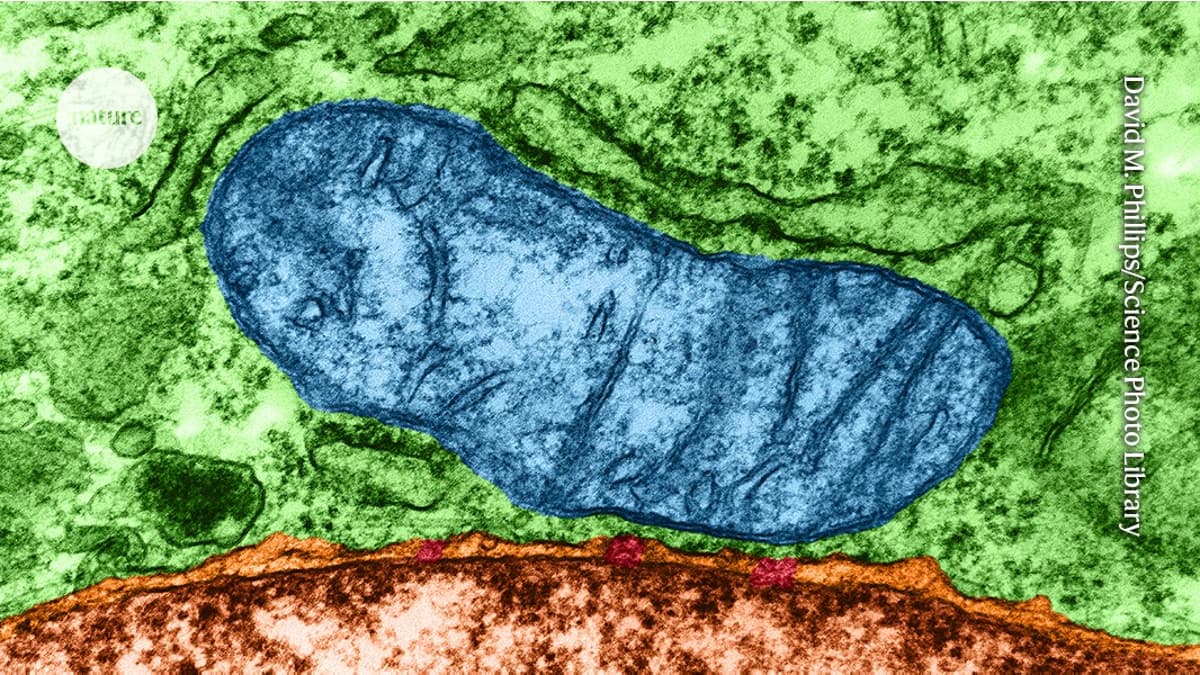
Mitochondria Can Spawn New ‘Organelles’ — Hinting at How Modern Cells Evolved
Why It Matters
By revealing a novel mitochondrial mechanism that parasites exploit, the study links organelle biogenesis to infection dynamics and supports evolutionary models of eukaryotic cell complexity. This insight could inform new therapeutic strategies targeting mitochondrial‑pathogen interactions.
Key Takeaways
- •Mitochondria shed outer membranes forming SPOT organelles during infection
- •SPOTs engulf lysosomes, creating acidified compartments that aid T. gondii
- •Inhibiting SPOT acidification reduces parasite proliferation in cancer cells
- •Findings support ancient mitochondria‑derived vesicle hypothesis for eukaryotic organelles
- •Study posted as a bioRxiv preprint; peer review pending
Pulse Analysis
The discovery that mitochondria can generate new organelles during pathogen invasion reshapes our understanding of cellular immunity. In the study, human cancer cells infected with Toxoplasma gondii displayed mitochondrial outer‑membrane shedding, producing structures called SPOTs that selectively engulf lysosomes. By converting lysosomal waste into acidified compartments, the parasite appears to co‑opt host degradation pathways to fuel its own replication, a strategy that may be common among intracellular microbes.
Beyond the immediate infection context, the observation provides compelling evidence for a long‑standing evolutionary hypothesis: early mitochondria released membrane vesicles that eventually diversified into the myriad organelles characteristic of eukaryotic cells. If modern mitochondria retain this capacity, it suggests that the organelle‑building toolkit was present in the ancestral endosymbiont, offering a mechanistic bridge between the origin of mitochondria and the emergence of complex cellular architecture. This perspective aligns with recent phylogenomic work tracing organelle lineage back to bacterial progenitors.
From a translational standpoint, targeting the SPOT formation pathway could represent a novel anti‑parasitic approach. The researchers demonstrated that blocking proton pumps, which prevent acidification of the newly formed organelles, markedly impairs T. gondii growth. Future drug development may focus on mitochondrial‑membrane dynamics or the specific protein interactions that tether parasites to host mitochondria, opening a new front in the fight against toxoplasmosis and potentially other intracellular infections.
Mitochondria can spawn new ‘organelles’ — hinting at how modern cells evolved
Comments
Want to join the conversation?
Loading comments...