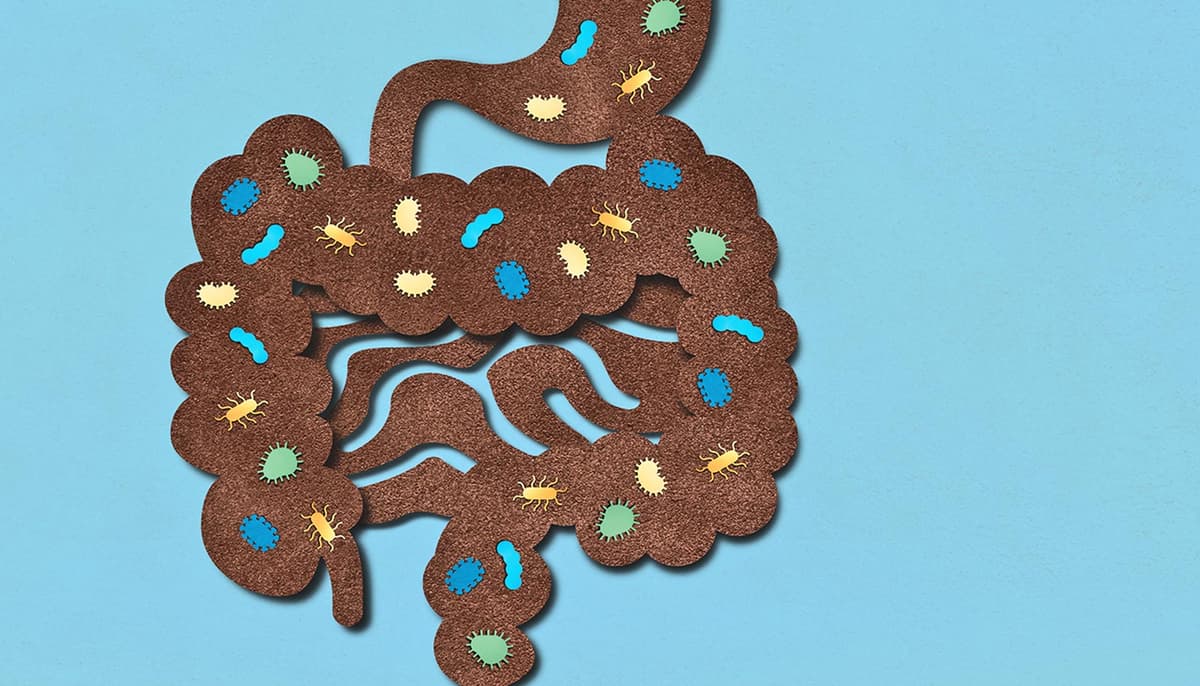
Modern Lifestyles Affect How Gut Bacteria Process Estrogen
Why It Matters
Elevated estrogen recycling may alter risks for hormone‑related cancers, cardiovascular disease and reproductive health, making gut‑microbiome dynamics a potential target for public‑health interventions.
Key Takeaways
- •Industrialized gut microbiomes recycle estrogen up to seven times more.
- •Formula‑fed infants show 2‑3× higher estrogen recycling than breastfed.
- •Estrobolome diversity is 11× greater in formula‑fed infants.
- •Study covers 24 populations on four continents, from hunter‑gatherers to urbanites.
- •Diet, sanitation and activity likely drive increased estrogen recycling.
Pulse Analysis
The gut microbiome’s estrobolome—its estrogen‑processing subset—has long been a hidden player in hormonal balance. By comparing datasets from hunter‑gatherers in Botswana to urban residents in Philadelphia, researchers uncovered a striking seven‑fold increase in estrogen‑recycling capacity among industrialized populations. This surge is not merely a byproduct of reduced microbial diversity; rather, the estrobolome itself becomes more functionally potent, suggesting that modern diets rich in processed foods and low in fiber may select for bacteria that excel at reactivating discarded hormones.
Health experts are now grappling with the clinical ramifications of heightened estrogen recirculation. Elevated circulating estrogen is linked to breast and ovarian cancer, but it also influences bone density, cardiovascular health, and metabolic pathways. The study’s infant data—showing formula‑fed babies recycle estrogen two to three times more than breast‑fed peers—adds a developmental dimension, implying that early‑life feeding choices could set a lifelong hormonal trajectory. Moreover, the paradox of greater estrobolome diversity in industrialized guts, despite overall lower microbial richness, hints at a functional specialization driven by lifestyle factors such as reduced physical activity, improved sanitation, and widespread antibiotic use.
Future research will need to pinpoint the exact dietary components or environmental exposures that fuel this enzymatic shift. If specific foods or probiotics can modulate estrobolome activity, clinicians might one day tailor interventions to mitigate hormone‑related disease risk. Policymakers could also consider nutrition guidelines that preserve a balanced estrogen‑processing microbiome. As the field moves from correlation to causation, the intersection of anthropology, microbiology and endocrinology promises new strategies for managing health in an increasingly industrialized world.
Modern lifestyles affect how gut bacteria process estrogen
Comments
Want to join the conversation?
Loading comments...