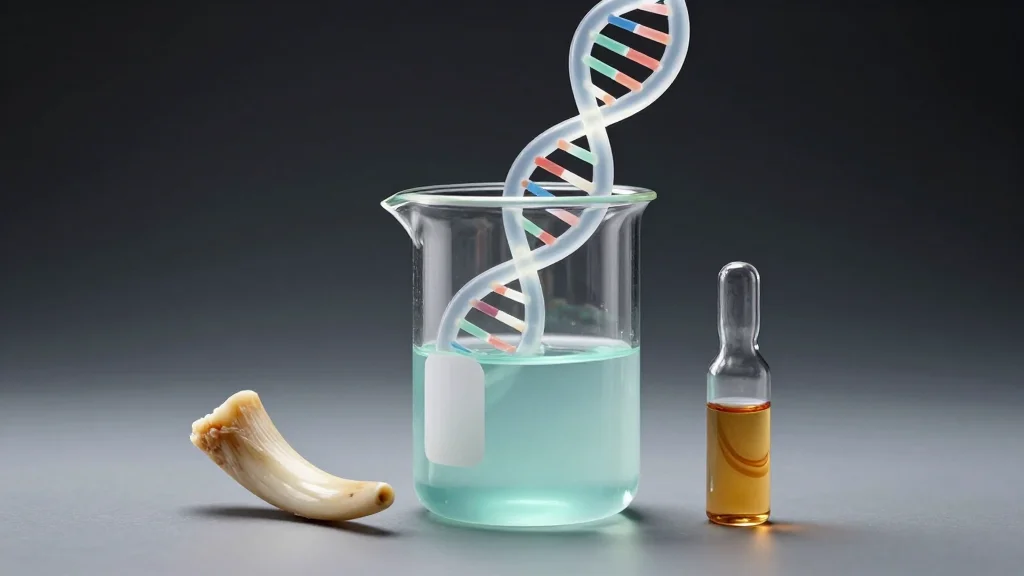
Molecular De-Extinction Looks to the Past to Find the Molecules of the Future
Why It Matters
By tapping evolutionary solutions encoded in extinct organisms, molecular de‑extinction offers a novel source of antibiotics at a time when resistance threatens global health, potentially reshaping the pharmaceutical pipeline and market dynamics.
Key Takeaways
- •Machine learning resurrects ancient antimicrobial peptides for new drug candidates
- •De‑extinct molecules show activity against multi‑drug‑resistant bacteria
- •Researchers validated de‑extinction pipeline using mammoth DNA and modern assays
- •Patent landscape evolves as bioethics debates molecular de‑extinction
- •Commercial interest grows, targeting $1 billion antibiotic market
Pulse Analysis
The escalating threat of antimicrobial resistance has pushed researchers to look beyond conventional libraries for new drug leads. Molecular de‑extinction, a discipline that mines genetic material from extinct organisms, emerged from early paleogenomic work on mammoth DNA and has matured into a systematic pipeline. By reconstructing ancient genes and feeding them into deep‑learning models, scientists can predict stable peptide structures that nature once optimized for hostile environments, effectively turning extinct biochemistry into a modern drug‑discovery engine.
Technical breakthroughs underpinning this renaissance include AI‑driven protein design, high‑throughput synthesis, and rapid functional assays. Recent publications demonstrate that resurrected antimicrobial peptides retain nanomolar potency against methicillin‑resistant Staphylococcus aureus and carbapenem‑resistant Enterobacteriaceae, outperforming many synthetic analogues. The integration of machine‑learning frameworks with synthetic biology not only shortens the lead‑generation timeline but also expands the chemical space to include motifs absent from extant species, offering a fresh arsenal against resistant pathogens.
Beyond the lab, the commercial and regulatory landscape is evolving. Patent filings now cover de‑extinct sequences, prompting bio‑ethical debates about ownership of resurrected genetic material. Nevertheless, the potential market impact is significant: the global antibiotic market exceeds $40 billion, and a successful de‑extinction‑derived drug could capture a sizable share, especially as healthcare systems prioritize novel therapies. Investors and biotech firms are increasingly allocating capital to this niche, positioning molecular de‑extinction as a frontier that could redefine how the industry sources its next generation of life‑saving medicines.
Molecular de-extinction looks to the past to find the molecules of the future
Comments
Want to join the conversation?
Loading comments...