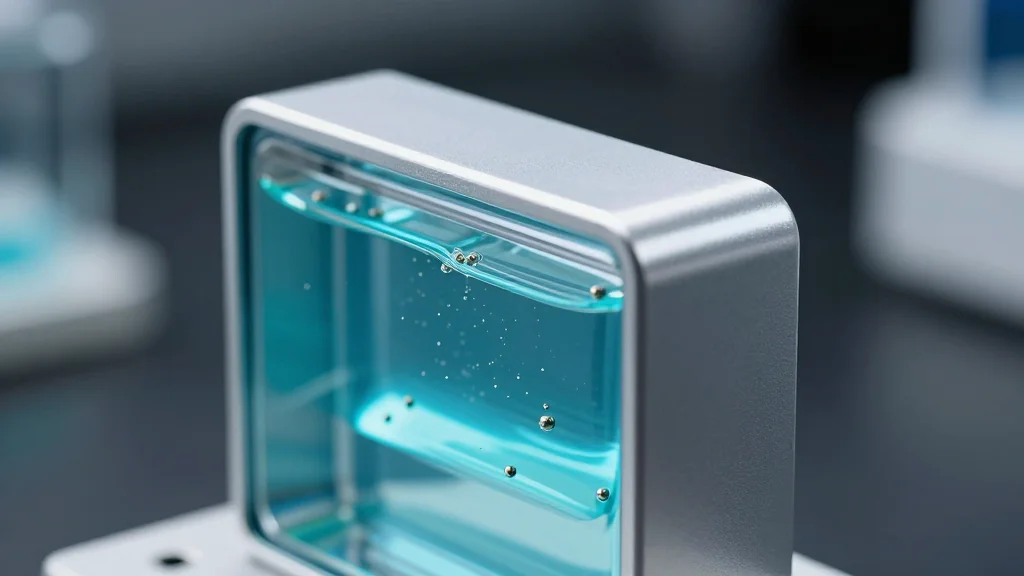
Molybdenum-Catalysed Electrochemical Green Ammonia Synthesis From Dinitrogen and Water
Why It Matters
The breakthrough demonstrates a scalable, low‑energy route to green ammonia, addressing a major carbon‑intensive sector and supporting renewable‑energy integration. Its modular cell design could accelerate decentralized, carbon‑neutral fertilizer production.
Key Takeaways
- •Molybdenum catalyst yields >100 NH₃ equivalents per atom
- •Full-cell achieves 63% Faradaic efficiency for ammonia
- •Alcohol oxidation replaces sacrificial reductants at the anode
- •System operates at ambient temperature and pressure
- •Water can serve as electron and proton source, producing O₂
Pulse Analysis
The chemical sector still relies on the Haber‑Bosch process, which consumes roughly 1‑2% of global energy and emits significant CO₂. As governments tighten climate policies, the push for a truly green route to ammonia has intensified. Electrochemical nitrogen reduction promises ambient‑temperature synthesis, but most laboratory demonstrations depend on sacrificial anodes or external proton donors, limiting scalability. The recent preprint from Nishibayashi et al. introduces a molecular‑catalyst‑based flow‑battery architecture that decouples cathodic nitrogen reduction from anodic oxidation, offering a more practical pathway.
The core of the system is a molybdenum complex that catalyzes N₂ reduction at the cathode while an alcohol oxidation reaction supplies electrons and protons at the anode. By avoiding stoichiometric reductants, the cell delivers over 100 equivalents of NH₃ per molybdenum atom and reaches a peak Faradaic efficiency of 63 %. Remarkably, the authors also demonstrated water as the sole electron‑and‑proton source, confirming oxygen evolution at the anode, which brings the process closer to the ideal N₂ + H₂O → NH₃ reaction.
If the architecture can be transferred to larger flow‑cell formats, it could reshape the ammonia value chain by enabling decentralized, low‑carbon production near renewable electricity hubs. The modular nature of the design allows independent optimization of cathode and anode catalysts, opening avenues for further efficiency gains and cost reductions. While the study remains a preprint, its performance metrics set a new benchmark for molecular electrocatalysts and signal that green ammonia may soon move from laboratory curiosity to commercial reality.
Molybdenum-catalysed electrochemical green ammonia synthesis from dinitrogen and water
Comments
Want to join the conversation?
Loading comments...