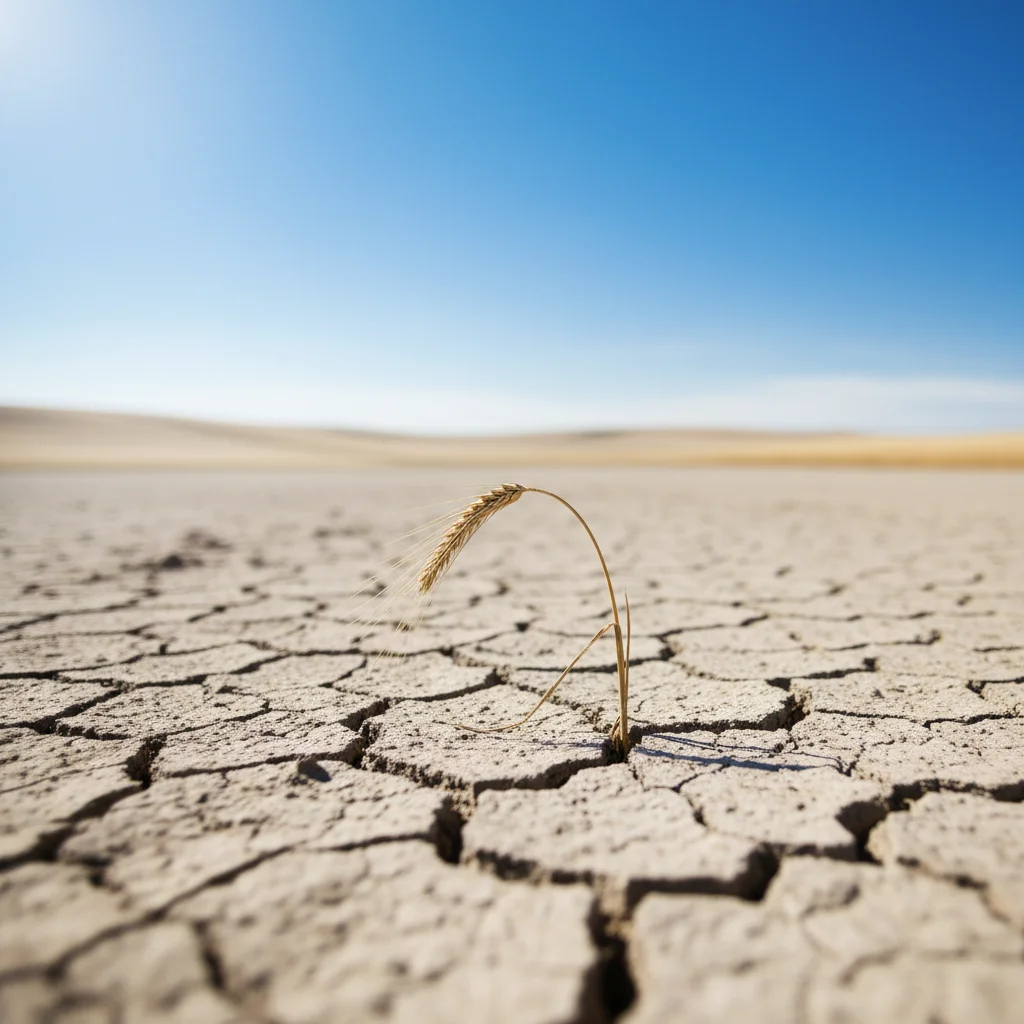
More than Half of the US in Drought After Near-Record March Temperatures
Why It Matters
The expanding drought threatens agricultural output, water supply reliability, and could trigger higher food prices, affecting both the U.S. economy and global markets. Early warnings give policymakers and farmers a narrow window to implement mitigation strategies before conditions worsen.
Key Takeaways
- •55% of contiguous U.S. now in moderate‑to‑severe drought
- •Southwest and Great Plains see extreme dryness levels
- •Record‑high March temperatures accelerated soil moisture loss
- •Potential crop yield drops may lift food prices
Pulse Analysis
The March heat spike has set a new benchmark for temperature extremes across the United States, with many weather stations reporting their highest March readings on record. This sudden warming accelerated evapotranspiration, drying out soils faster than typical seasonal patterns. As a result, the U.S. Drought Monitor now classifies over half of the lower 48 states as experiencing moderate to severe drought, a sharp increase from the 30% reported just a month earlier. The Southwest, already prone to water scarcity, now shows extensive areas of extreme drought, while the Great Plains face similar stress, threatening both rain‑fed and irrigated agriculture.
Agricultural stakeholders are closely watching the development because early‑season drought can curtail planting decisions and reduce yields for staple crops such as corn, soybeans, and wheat. The USDA projects that a 5‑10% reduction in corn output could lift corn futures by 8‑12%, with downstream effects on meat and dairy prices. Water‑intensive regions are also seeing reservoir levels dip below critical thresholds, prompting state water agencies to consider usage restrictions. These constraints could ripple through the supply chain, raising costs for food processors and consumers alike.
Beyond immediate economic impacts, the drought underscores broader climate resilience challenges for the United States. Policymakers are urged to accelerate investments in water‑saving technologies, expand drought‑resilient crop varieties, and revisit federal water allocation frameworks. While short‑term mitigation—such as targeted irrigation subsidies—can alleviate pressure, long‑term adaptation will require coordinated action across federal, state, and private sectors. Monitoring tools like the Drought Monitor and satellite‑based soil moisture indices will be essential for early warning and resource planning as the nation navigates an increasingly volatile climate landscape.
More than half of the US in drought after near-record March temperatures
Comments
Want to join the conversation?
Loading comments...