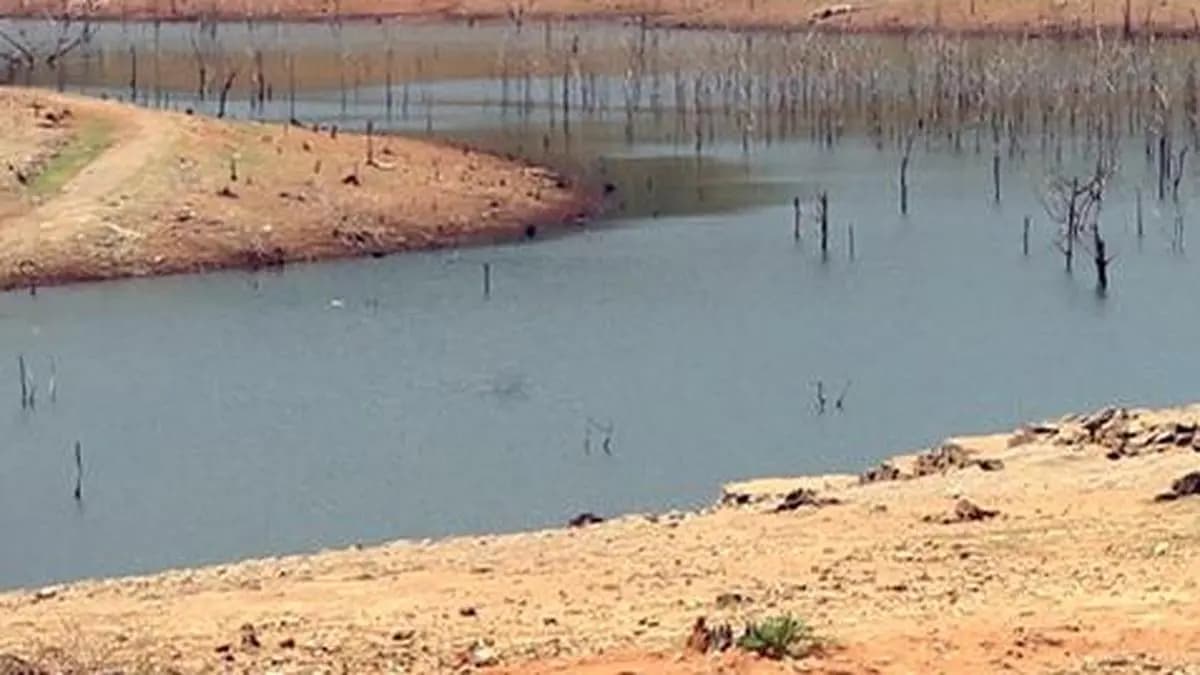
Most Models Predict El Nino May Last Until January 2027: IMD
Why It Matters
A prolonged El Nino threatens India’s staple‑crop yields and farmer incomes, while amplifying supply‑chain pressures on fertilizers and agro‑chemicals across the region.
Key Takeaways
- •El Nino may persist until Jan 2026, lowering monsoon rainfall
- •Projected monsoon rainfall at 92% of long‑period average (≈80 cm)
- •Potential crop delays and pest spikes increase input costs for farmers
- •Positive Indian Ocean Dipole may offset some El Nino dryness later
- •Andaman monsoon onset expected May 14‑16, earlier than usual
Pulse Analysis
El Nino, the warm phase of the El Nino‑Southern Oscillation, has historically been a key driver of below‑normal rainfall across the Indian subcontinent. Climate models this year converge on a scenario where sea‑surface temperatures in the central Pacific stay elevated through early 2026, extending the El Nino’s influence into the core kharif sowing window. While a positive Indian Ocean Dipole (IOD) can bring additional moisture, the IMD notes that the IOD’s modest boost is unlikely to fully counteract the El Nino‑induced deficit, leaving the monsoon at roughly 92% of its long‑period average—about 80 cm of rain.
For Indian agriculture, the timing is critical. The kharif season, which relies on timely monsoon onset in early June, faces a higher risk of delayed planting, uneven germination and increased vulnerability to fungal and insect outbreaks such as rice blast, fall armyworm, and cotton pests. These biological stresses drive up the demand for pesticides and fungicides just as global supply chains are strained by the West Asia conflict, which has disrupted key inputs like methanol, ammonia and LPG. Consequently, input prices are rising, squeezing farmer margins and prompting policymakers to extend customs‑duty exemptions and other relief measures.
Beyond the immediate harvest, the ripple effects extend to rural disposable income and food‑price stability. A weaker kharif crop can compress grain supplies, nudging staple prices upward and pressuring the government’s food‑security buffers. Meanwhile, the rabi season, which begins in October, may also feel the after‑effects of reduced soil moisture and lingering pest pressure. Stakeholders—from agribusiness firms to financial institutions—must therefore monitor evolving ENSO forecasts, IOD trends, and policy responses to mitigate risk and safeguard the agricultural value chain throughout the 2026‑27 cycle.
Most models predict El Nino may last until January 2027: IMD
Comments
Want to join the conversation?
Loading comments...