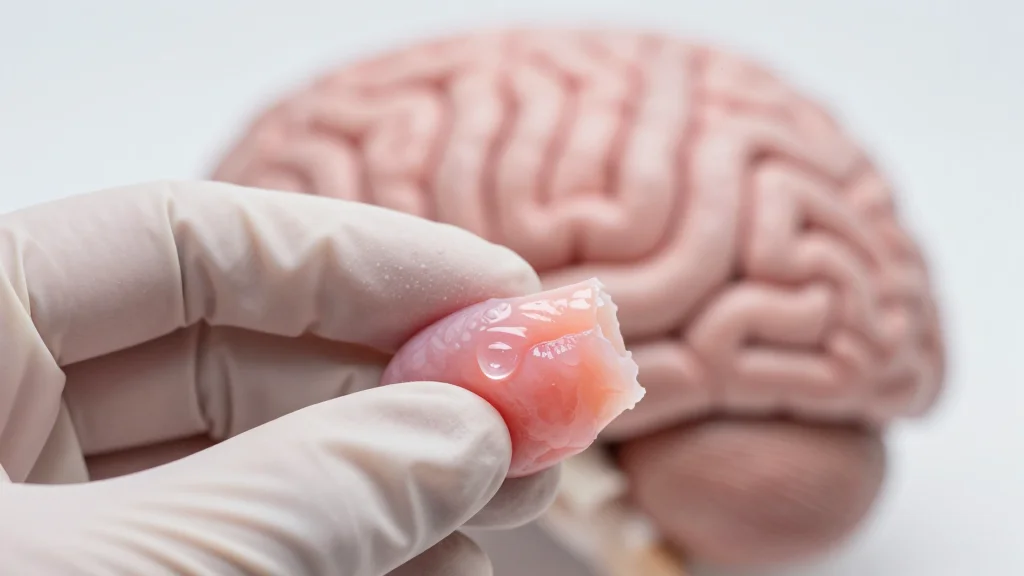
Mouth Stem Cells Could Help Beat Brain Cancer Defenses
Why It Matters
The findings provide a potential adjuvant that could make the toughest brain‑cancer treatments more effective, addressing a critical unmet need in oncology. If translated to patients, this approach could extend survival and improve quality of life for glioblastoma sufferers.
Key Takeaways
- •Mouth-derived stem cells release proteins that slow glioblastoma growth
- •Combined with chemotherapy, proteins cut tumor size without harming healthy tissue
- •Proteins block tumor-protective signals and activate anti‑cancer pathways
- •Production can be cell‑free, enabling scalable, consistent manufacturing
- •Next steps include advanced models before human trials
Pulse Analysis
Glioblastoma remains the deadliest primary brain tumor in adults, with a five‑year survival rate under 5 % in the United Kingdom and a median overall survival of roughly 15 months despite maximal surgery, radiotherapy and temozolomide chemotherapy. The disease’s resilience stems from its ability to hijack normal signaling pathways, creating an immunosuppressive micro‑environment that shields tumor cells from therapeutic attack. Consequently, researchers have turned to unconventional sources—such as oral‑cavity stem cells—to discover biologically active molecules that can disrupt these defenses and improve treatment efficacy.
A team at the University of Reading isolated stem cells from the oral mucosa and harvested their secretome, a cocktail of proteins and extracellular vesicles. In vitro, the secretome reduced proliferation of patient‑derived glioblastoma cells, while ex‑vivo mouse brain slices showed diminished tumor invasion and smaller, fewer tumor nodules. When the secretome was administered alongside standard temozolomide, tumor burden shrank further without detectable toxicity to surrounding neurons. Mechanistically, the proteins interfered with the tumor’s “protect‑me” signals and simultaneously amplified pro‑apoptotic pathways, effectively flipping the cancer’s own defense system.
Because the active components can be produced in a cell‑free format, they lend themselves to Good Manufacturing Practice (GMP) scale‑up, offering a more consistent and cost‑effective alternative to live‑cell therapies. If subsequent studies in patient‑derived organoids and larger animal models confirm safety and potency, the approach could enter early‑phase clinical trials within the next few years, potentially adding a novel adjuvant to the glioblastoma treatment armamentarium. Investors and biotech firms are likely to watch this development closely, as a successful translation could open a new market segment for biologically engineered anti‑cancer secretomes.
Mouth stem cells could help beat brain cancer defenses
Comments
Want to join the conversation?
Loading comments...