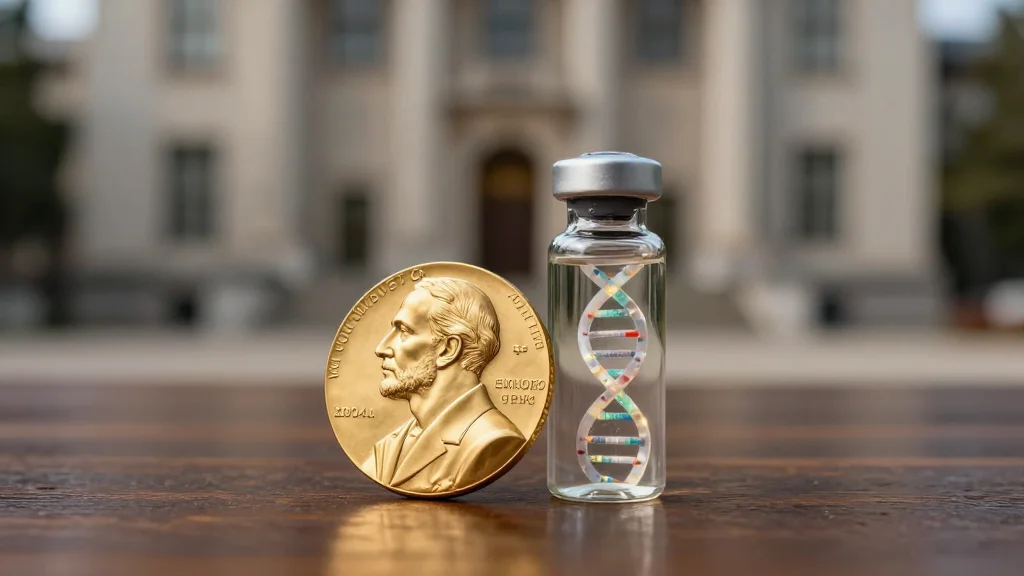
MRNA Pioneer Katalin Karikó to Give Johns Hopkins Commencement Address
Companies Mentioned
Why It Matters
Karikó’s appearance highlights the societal impact of mRNA technology and reinforces the value of sustained scientific investment, inspiring the next generation of researchers.
Key Takeaways
- •Karikó receives Doctor of Humane Letters at Johns Hopkins commencement
- •Her mRNA breakthroughs enabled the first FDA‑approved COVID‑19 vaccines
- •Overcame repeated grant rejections and demotion before Nobel recognition
- •Speech underscores basic research’s role in life‑saving medical advances
Pulse Analysis
Katalin Karikó’s invitation to speak at Johns Hopkins underscores how immigrant talent fuels American scientific leadership. Arriving from a modest Hungarian town with a teddy‑bear‑filled suitcase, she navigated cultural and institutional barriers to pursue mRNA research. Her story resonates with a broader narrative: the United States’ biotech engine thrives on diverse perspectives and relentless curiosity, often cultivated far from the spotlight of elite labs.
The scientific payoff of Karikó’s perseverance is unmistakable. A 2005 paper with immunologist Drew Weissman revealed that modified nucleosides could silence the immune response to synthetic mRNA—a discovery that lay dormant until the COVID‑19 crisis demanded rapid vaccine platforms. When the pandemic struck, that groundwork enabled the rapid development and FDA approval of the first mRNA vaccines, saving millions of lives and spawning a multibillion‑dollar industry. The success has accelerated investment in mRNA therapeutics for cancer, rare diseases, and beyond, reshaping the biotech landscape.
Karikó’s commencement address, delivered as Johns Hopkins celebrates its 150th anniversary, signals a cultural shift in academia toward valuing high‑risk, long‑term research. Recognizing a scientist whose work survived decades of funding rejections sends a powerful message to students and policymakers: breakthroughs often emerge from persistence, not immediate acclaim. As universities and venture capitalists double down on mRNA platforms, the next wave of innovations—personalized vaccines, protein‑replacement therapies, and novel gene‑editing tools—will likely trace their lineage back to Karikó’s early experiments, cementing her legacy as a catalyst for future medical revolutions.
mRNA pioneer Katalin Karikó to give Johns Hopkins Commencement address
Comments
Want to join the conversation?
Loading comments...