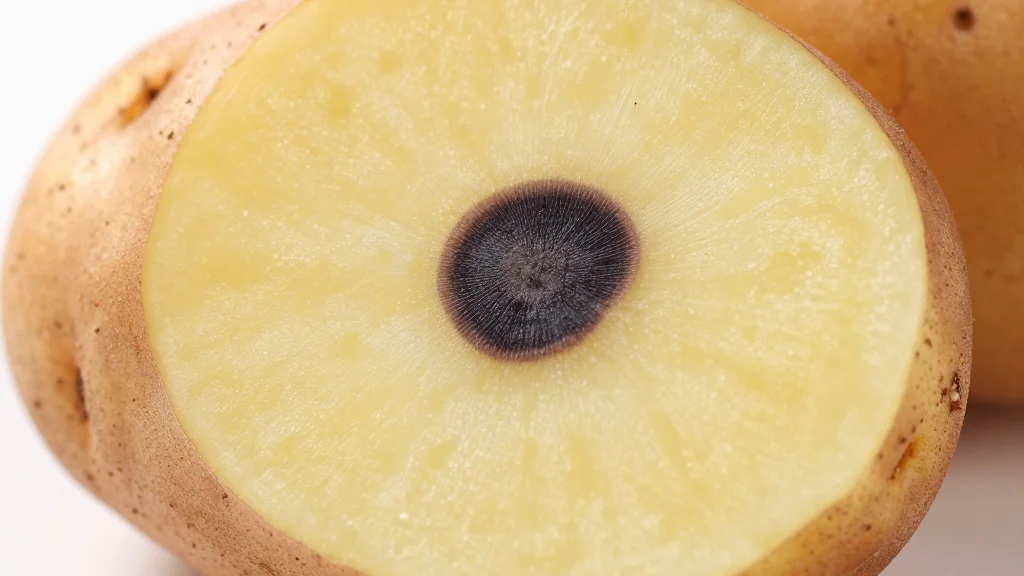
Multi-Year Pathogenicity and Fungicide Sensitivity Assessment of Colletotrichum Coccodes and Emerging C. Nigrum, Both Causing Black Dot in Manitoba Potatoes
Why It Matters
Rising aggressiveness and reduced fungicide efficacy threaten potato yields and increase production costs, making surveillance critical for the Canadian potato industry.
Key Takeaways
- •C. coccodes dominates black dot, but C. nigrum now present in Canada
- •C. nigrum isolates cause necrotic leaf lesions and severe plant disease
- •Aggressiveness varies widely among isolates across years and locations
- •2025 isolates show lower sensitivity to commonly used fungicides
- •Continuous monitoring needed to guide fungicide stewardship and protect yields
Pulse Analysis
Black dot, caused by Colletotrichum species, has become a growing concern for Canada’s $5 billion potato sector. The disease reduces tuber marketability and can trigger cascading losses in processing and fresh‑market channels. As growers rely heavily on fungicide programs to protect yields, understanding pathogen dynamics is essential for maintaining profitability and meeting consumer demand for high‑quality potatoes.
The Manitoba study collected 189 Colletotrichum‑like isolates from 210 field samples between 2023 and 2025. Multi‑locus phylogenetic analysis placed the majority of isolates with C. coccodes, the traditional black‑dot agent, but also revealed several isolates clustering with C. nigrum—marking the first confirmed occurrence of this species on Canadian potatoes. Pathogenicity assays demonstrated that all C. nigrum isolates produced necrotic lesions on detached leaves, and a subset caused severe disease on whole plants, indicating a potentially higher threat level than previously recognized. Moreover, aggressiveness varied considerably among isolates, highlighting the pathogen’s genetic diversity.
The most alarming finding was a measurable decline in fungicide sensitivity among 2025 isolates compared with earlier years. This trend signals emerging resistance that could erode the effectiveness of standard chemical controls. For growers, the implication is clear: reliance on a single fungicide class is risky, and integrated disease‑management strategies—including crop rotation, resistant cultivars, and judicious fungicide use—must be adopted. Ongoing surveillance and rapid diagnostic tools will be vital to detect shifts in pathogen populations early, allowing the industry to adjust stewardship practices before yield losses become widespread.
Multi-Year pathogenicity and fungicide sensitivity assessment of Colletotrichum coccodes and emerging C. nigrum, both causing black dot in Manitoba potatoes
Comments
Want to join the conversation?
Loading comments...