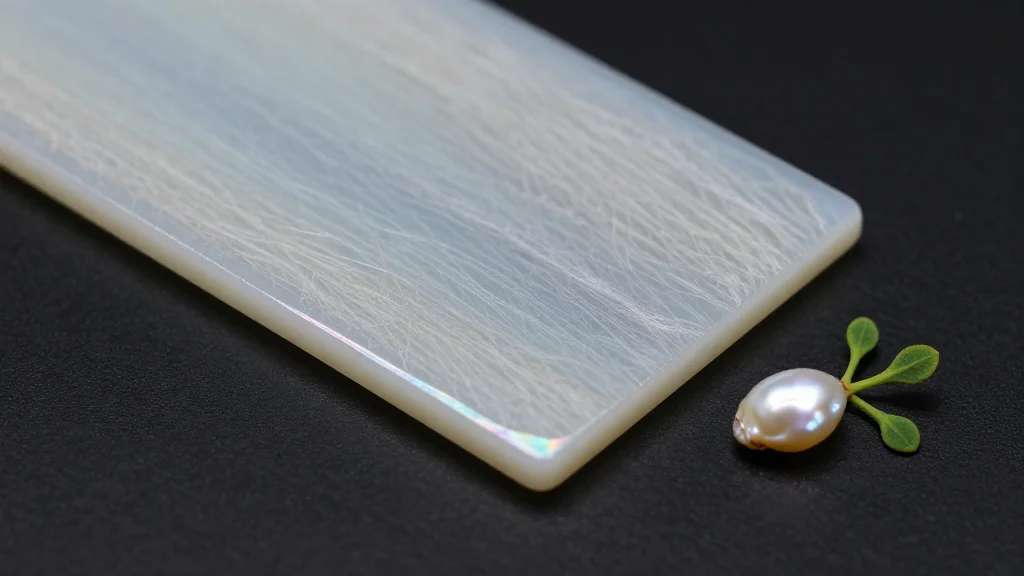
Mussels and Mistletoe Inspire Next-Gen Materials
Why It Matters
The breakthrough offers a low‑energy pathway to greener high‑performance materials, addressing mounting pressure to reduce the carbon footprint of the global composites market.
Key Takeaways
- •Mussel proteins and cellulose nanocrystals form self‑assembling composites
- •Materials achieve strength and flexibility without high‑temperature processing
- •Approach could replace petroleum‑based plastics in lightweight applications
- •Scalable production still requires durability and integration testing
Pulse Analysis
Nature‑inspired design is reshaping material science, and the McGill study exemplifies this shift. By dissecting how mussels create robust underwater adhesives and how mistletoe leverages rigid cellulose nanocrystals, researchers identified a minimalist recipe: protein droplets and plant‑derived nanocrystals. The resulting phase‑separation technique lets these components spontaneously arrange into hierarchical scaffolds, sidestepping the energy‑hungry furnaces and solvents typical of polymer manufacturing. This biomimetic route not only cuts emissions but also opens doors to tunable properties through simple ingredient tweaks.
The engineered protein‑cellulose scaffolds deliver a rare combination of mechanical strength, flexibility, and adhesive capability. Because the assembly occurs at ambient conditions, manufacturers could produce lightweight composites for automotive, aerospace, and consumer‑goods sectors without the thermal degradation risks of traditional thermosets. Moreover, the use of wood‑pulp‑derived cellulose and recombinant proteins aligns with circular‑economy goals, offering a renewable alternative to petrochemical feedstocks. Early performance metrics suggest these bio‑composites can rival conventional fiberglass or carbon‑fiber panels in load‑bearing scenarios while remaining recyclable.
Commercializing such green materials, however, hinges on scaling the bioprocesses and proving long‑term durability. Industry players must evaluate cost parity, supply chain reliability for recombinant proteins, and regulatory pathways for new adhesives. If these hurdles are cleared, the market could see a rapid transition toward low‑carbon composites, driven by consumer demand and tightening environmental standards. The McGill breakthrough thus positions bio‑inspired engineering as a viable, scalable strategy for the next generation of sustainable materials.
Mussels and Mistletoe Inspire Next-Gen Materials
Comments
Want to join the conversation?
Loading comments...