Myanmar Sees Normal Monsoon Onset, Low-Pressure Systems Stirring up Bay
Why It Matters
A timely monsoon onset and the evolution of Bay‑area low‑pressure systems are critical for agricultural sowing cycles, water resource planning, and disaster risk management across South Asia. Early precipitation patterns also serve as a barometer for the season’s overall strength, influencing commodity markets and regional economies.
Key Takeaways
- •Myanmar monsoon onset expected May 13‑17, near climatological timing
- •Twin low‑pressure systems may form over Bay, one could become depression
- •Arabian Sea cyclonic circulation could steer low‑pressure east‑north‑eastward
- •Heavy thunderstorms forecast across Tamil Nadu, Kerala, Karnataka through week
- •Early Bay activity seen as positive precursor to seasonal rains
Pulse Analysis
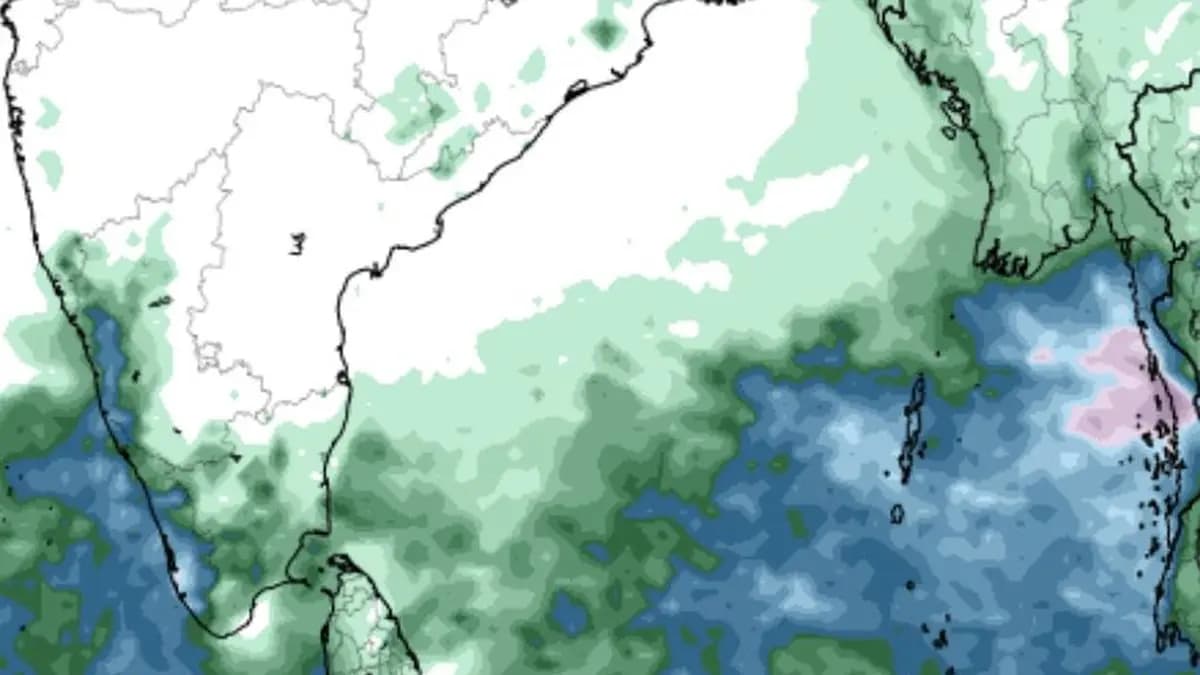
The latest outlook from Myanmar’s Department of Meteorology and Hydrology signals a monsoon arrival that aligns closely with historical averages, a reassuring sign for a region that depends on timely rains for rice cultivation and hydro‑electric generation. By contrast, the twin low‑pressure disturbances brewing over the Bay of Bengal introduce a degree of uncertainty; if one system deepens into a depression, it could amplify moisture transport and trigger stronger, more widespread rainfall across the delta and adjoining Bangladesh. Such early intensification often correlates with a robust seasonal monsoon, which can boost agricultural yields but also raise flood risk in low‑lying areas.
India’s meteorological agencies are tracking a complementary set of dynamics that could shape the broader South Asian monsoon. A low‑pressure area off north Sri Lanka, coupled with a cyclonic vortex in the south‑east Arabian Sea near Lakshadweep, is already channeling moist air inland, fueling thunderstorms over Tamil Nadu, Kerala, and Karnataka. These systems act as a pre‑monsoon engine, seeding the atmosphere with the humidity needed for the larger monsoonal circulation to lock in. Forecast models, however, remain split on the exact trajectory of these disturbances, reflecting the inherent complexity of the pre‑monsoon transition phase.
For investors, policymakers, and agribusiness leaders, the convergence of a near‑normal monsoon onset and active low‑pressure systems presents both opportunity and risk. Early rains can accelerate sowing schedules for cash crops such as cotton and soybean, potentially tightening supply chains and influencing commodity prices. At the same time, the heightened thunderstorm activity raises concerns for infrastructure resilience, especially in flood‑prone urban centers. Stakeholders should monitor updates from the Myanmar and Indian meteorological services closely, as any deviation from the projected patterns could reverberate through energy markets, food security assessments, and disaster‑relief budgeting for the coming months.
Myanmar sees normal monsoon onset, low-pressure systems stirring up Bay
Comments
Want to join the conversation?
Loading comments...