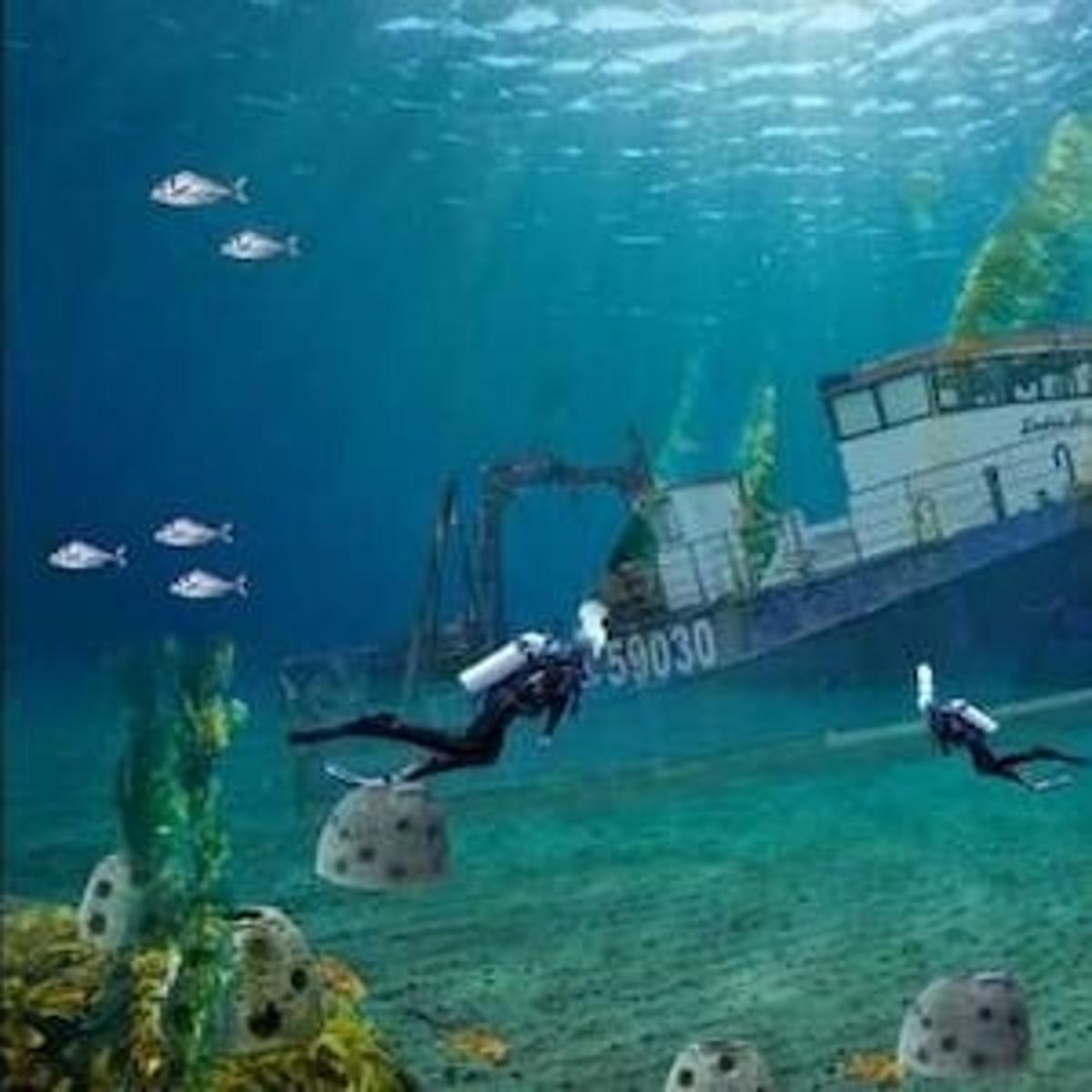
Napier: Twofold Bay Trawler Sinking and Reef Project Full Steam Ahead
Why It Matters
The reef will provide a new habitat for commercial species like crayfish, supporting local fisheries and tourism while demonstrating a collaborative model for coastal restoration. Its success could spur similar projects across New Zealand’s coastal communities.
Key Takeaways
- •Sunken trawler to become Hawke’s Bay’s first artificial reef
- •Consent allows up to 50 concrete cones, each up to 1.2 tonnes
- •Project seeks donations for sinking, cones, and monitoring costs
- •Site located 400 m east of Pania Reef, 1.5 km from port
- •Environmental assessments and iwi consultation took over two years
Pulse Analysis
Artificial reefs have become a proven tool for marine conservation, offering structure that attracts fish, crustaceans, and kelp while mitigating pressure on natural habitats. In New Zealand, previous projects—ranging from scuttled naval vessels to the iconic Rainbow Warrior—have demonstrated measurable gains in biodiversity and local catch rates. These installations also serve as research platforms, allowing scientists to monitor ecosystem responses and refine best‑practice guidelines for future deployments.
The Twofold Bay initiative stands out for its thorough preparatory work. After more than two years of rigorous environmental impact studies and extensive consultation with mana whenua, the Hawke’s Bay Regional Council approved a resource consent that includes stringent contaminant monitoring and the placement of up to 50 concrete reef cones, each weighing up to 1.2 tonnes. The vessel’s engine will be removed and the hull filled with concrete to ensure structural stability and prevent pollutant release. Community involvement is evident through the Twofold Bay Charitable Trust’s fundraising drive, which seeks donations to cover sinking costs, cone fabrication, and long‑term monitoring.
Economically, the reef promises to revitalize the regional seafood sector. By creating a protected underwater habitat near the Port of Napier, the project is expected to boost populations of high‑value species such as crayfish, benefiting both commercial fishers and eco‑tourism operators. The proximity to existing artificial reefs and the port’s limestone‑boulder reef offers a synergistic network that could enhance fishery yields over the next decade. Continued financial support and transparent monitoring will be critical to translating ecological gains into sustainable economic outcomes, positioning Hawke’s Bay as a leader in marine restoration.
Napier: Twofold Bay trawler sinking and reef project full steam ahead
Comments
Want to join the conversation?
Loading comments...