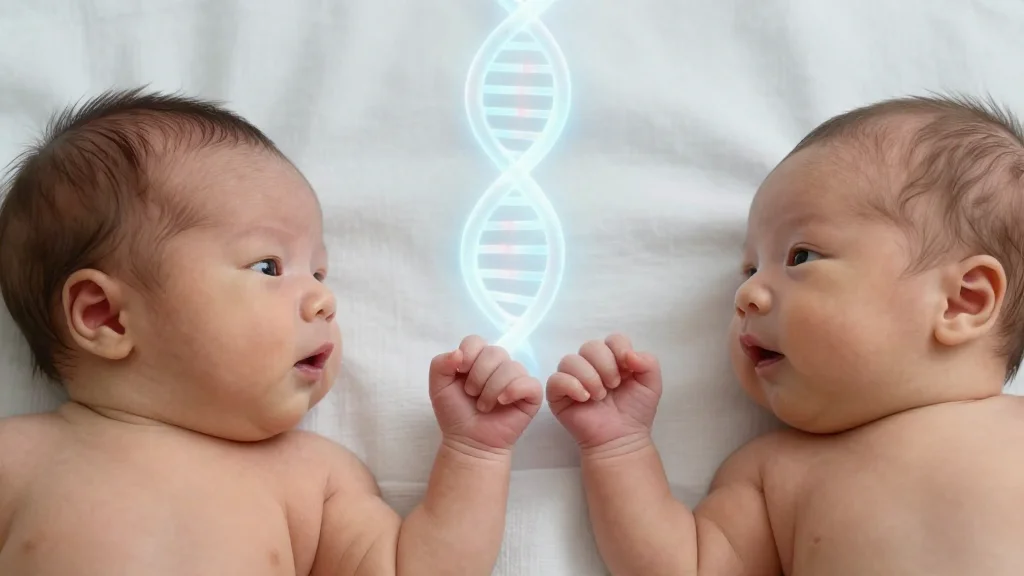
Narcissism Runs in the Family, but Not because of Parenting
Why It Matters
The findings overturn the long‑standing belief that parenting style shapes narcissism, redirecting clinical focus toward genetics and individualized life experiences. This shift has implications for therapy, talent management, and future research on personality development.
Key Takeaways
- •Genetics explain roughly 50% of narcissism variance.
- •Shared family environment contributes near zero to narcissistic traits.
- •Nonshared experiences account for the remaining half of trait development.
- •Parents' narcissism similarity stems from assortative mating, not parenting style.
- •Study analyzed 6,715 twins and relatives from the German TwinLife project.
Pulse Analysis
The German TwinLife project provided a uniquely rich dataset, allowing researchers to compare identical twins, fraternal twins, siblings, and parents within the same families. By isolating genetic similarity from shared upbringing, the study demonstrated that DNA accounts for roughly half of the variance in narcissistic traits, while the home environment contributes almost nothing. This robust methodological approach resolves inconsistencies in earlier, smaller twin studies and offers a clearer picture of how personality traits are transmitted across generations.
These results compel psychologists to rethink therapeutic strategies that traditionally target parenting practices as a lever for reducing narcissistic tendencies. Since shared family dynamics appear irrelevant, clinicians may achieve greater impact by addressing the nonshared environments that shape adult behavior—such as workplace status competitions, peer validation loops, and romantic relationship dynamics. Understanding that a child’s narcissism is not a direct product of parental overvaluation or neglect shifts the emphasis toward helping individuals navigate external social rewards and develop healthier self‑regulation mechanisms.
Future research will likely probe the specific biological pathways—genes influencing hormone regulation, reward circuitry, and stress response—that underlie the heritable component of narcissism. The study also highlighted assortative mating, where narcissistic individuals tend to partner with similar personalities, subtly amplifying genetic risk in offspring. By focusing on the nonshared experiences that interact with these genetic predispositions, scholars can design interventions that mitigate the disruptive effects of narcissism in organizations and personal relationships, ultimately refining both diagnostic criteria and treatment models.
Narcissism runs in the family, but not because of parenting
Comments
Want to join the conversation?
Loading comments...