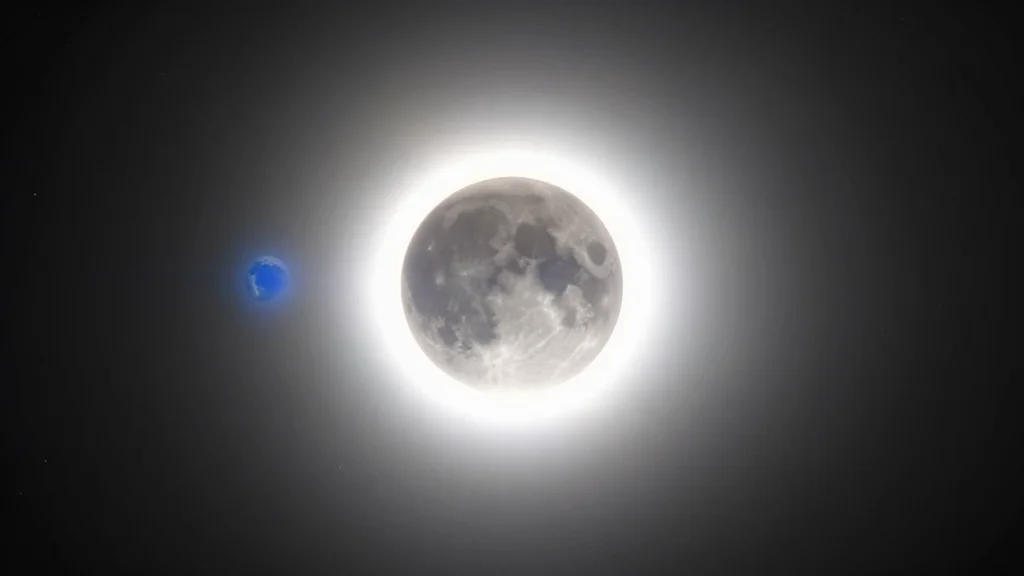
NASA Artemis II Photo Captures Moon Eclipse of Sun — 'Absolutely Stunning'
Why It Matters
The mission validates Orion’s operational performance and reignites public and political support for NASA’s lunar‑centric roadmap, accelerating timelines for crewed landings and a future Moon base.
Key Takeaways
- •Artemis II set new human distance record, surpassing Apollo 13.
- •Crew captured rare solar eclipse from lunar vicinity.
- •Photo confirms Orion's high‑resolution imaging capabilities.
- •Mission paves way for Artemis III lunar landing in 2027.
- •Public excitement fuels support for upcoming Moon base plans.
Pulse Analysis
Artemis II’s recent lunar flyby marks a watershed moment for deep‑space exploration, not only because it eclipsed a 56‑year‑old Apollo record but also because it delivered unprecedented visual data from a near‑lunar perspective. The mission’s six‑hour trajectory around the Moon allowed astronauts to photograph a solar eclipse—a phenomenon rarely observed from such proximity. This imagery showcases Orion’s advanced optics, confirming that the capsule can capture high‑definition scientific observations while supporting crew safety and mission objectives.
The eclipse photo resonates beyond technical achievement; it fuels public fascination and underscores the narrative of human curiosity driving space policy. By delivering a visually compelling story, NASA strengthens its case for continued funding and bipartisan backing, especially as the administration outlines a cadence of uncrewed and crewed missions to the lunar South Pole. The emotional response from the crew and the White House highlights how visual milestones can translate into tangible political capital, influencing budget allocations for the Artemis program and related commercial partnerships.
Looking ahead, Artemis II’s success directly informs the planning of Artemis III, slated for a 2027 crewed landing, and the subsequent Artemis IV lunar base initiatives. The mission’s data will refine navigation, communications, and thermal management systems essential for longer stays on the Moon. Moreover, the demonstrated imaging capabilities open avenues for scientific research, such as monitoring lunar surface changes and solar activity, thereby expanding the commercial and scientific ecosystem that will underpin a sustainable lunar economy.
NASA Artemis II photo captures moon eclipse of sun — 'Absolutely stunning'
Comments
Want to join the conversation?
Loading comments...