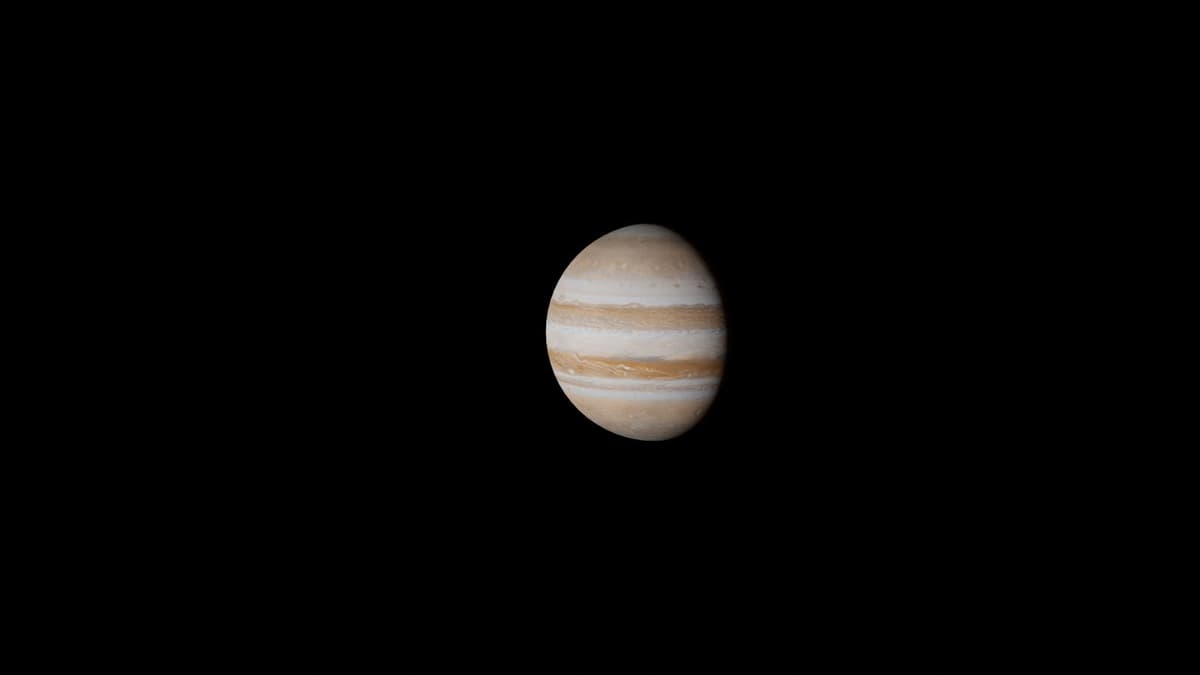
NASA Deliberately Crashed Galileo Into Jupiter in 2003 to Protect Europa, After the Spacecraft Found Signs of the Ocean It Could One Day Contaminate
Why It Matters
Galileo’s intentional crash set a clear precedent that protecting potentially habitable moons outweighs preserving aging spacecraft, shaping the design and end‑of‑life strategies of missions like Europa Clipper.
Key Takeaways
- •Galileo confirmed Europa likely hosts a subsurface salty ocean
- •NASA deorbited Galileo into Jupiter to avoid contaminating Europa
- •The decision set a planetary‑protection precedent for outer‑planet missions
- •Europa Clipper’s trajectory reflects lessons from Galileo’s end‑of‑life plan
- •Radiation exposure equated to 25 million chest X‑rays over mission life
Pulse Analysis
The Galileo mission reshaped our view of the Jovian system, turning Europa from a distant ice ball into a prime candidate for extraterrestrial life. By executing 35 moon flybys and capturing high‑resolution magnetometer readings, Galileo revealed a conductive layer beneath Europa’s crust, consistent with a global salty ocean. This discovery sparked a wave of scientific proposals and justified the massive investment in follow‑up missions, underscoring how a single spacecraft can redefine planetary science priorities.
When Galileo’s propellant ran low, engineers faced a stark choice: let the aging probe drift uncontrolled or deliberately dispose of it. Planetary‑protection guidelines, codified by COSPAR, demand that Earth‑origin microbes never compromise worlds of astrobiological interest. Even a minuscule contamination probability was unacceptable for Europa’s ocean, prompting NASA to command a Jupiter impact. The maneuver eliminated any chance of an accidental Europa collision, while also providing a final data burst as the craft burned up in the planet’s atmosphere.
Galileo’s end‑of‑life decision reverberates through today’s mission architecture. Europa Clipper, launched in 2024, maintains a Jupiter‑centric orbit and conducts distant flybys, deliberately avoiding direct insertion around Europa to meet strict sterilization standards. Its trajectory was modeled to satisfy the same planetary‑protection constraints that drove Galileo’s crash, illustrating how policy and engineering now co‑evolve. The episode highlights a broader shift: future exploration of ocean worlds will balance scientific ambition with rigorous contamination safeguards, ensuring that humanity’s search for life does not jeopardize the very environments we aim to study.
NASA deliberately crashed Galileo into Jupiter in 2003 to protect Europa, after the spacecraft found signs of the ocean it could one day contaminate
Comments
Want to join the conversation?
Loading comments...