NASA Seems to Be Backing Away From Hunting for Life on Mars
Companies Mentioned
Why It Matters
Confirming past life on Mars would reshape habitability models and guide future exploration funding, while international cooperation accelerates technology sharing.
Key Takeaways
- •Viking’s ambiguous results shifted NASA away from Mars biology
- •Perchlorates likely destroyed organics in Viking’s heated experiments
- •Perseverance’s “Cheyava Falls” rock shows potential microbial biosignature
- •ExoMars rover will use laser analysis to avoid perchlorate interference
Pulse Analysis
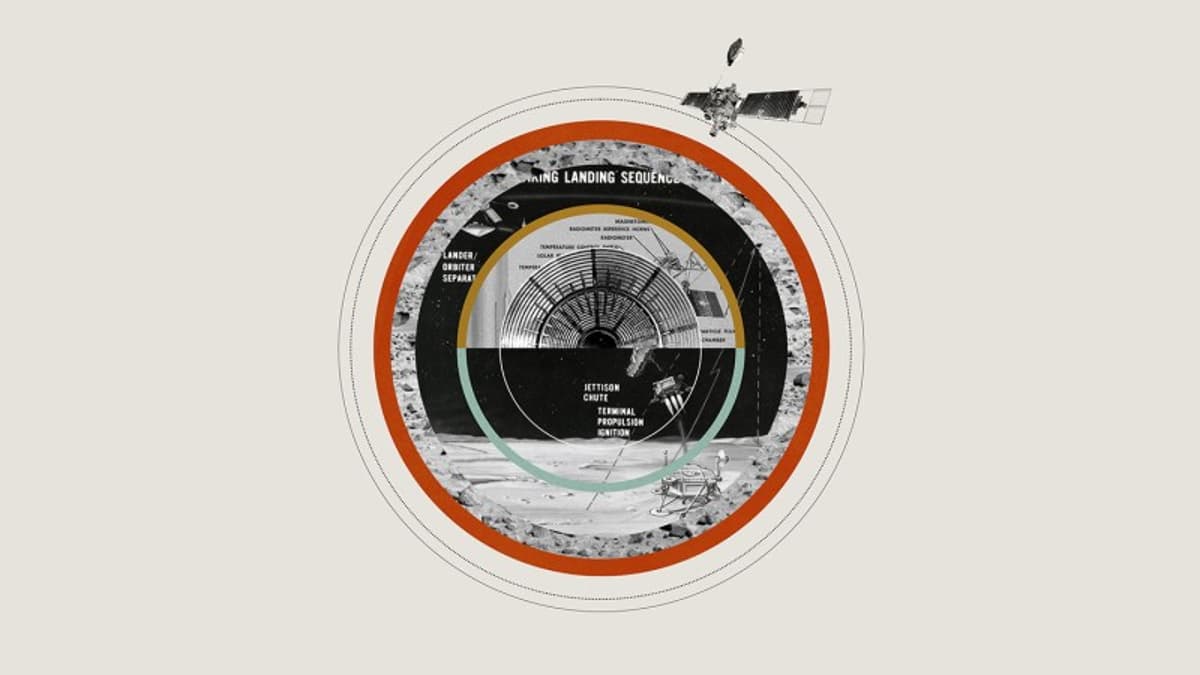
The Viking landers of 1976 were the first robotic probes tasked with a direct search for Martian life. Their three biology experiments produced tantalizing gas releases, yet the concurrent lack of detectable organics led most scientists to conclude the planet was sterile. Decades later, researchers realized that Viking’s own heating step may have triggered perchlorate salts in the soil to oxidize organics, effectively erasing the very evidence it sought. This chemical blind spot forced NASA to pivot toward geological and atmospheric studies, postponing a dedicated biosignature program for nearly twenty years.
The resurgence began with the 2008 Phoenix lander, which identified perchlorates and explained Viking’s false negatives, followed by Curiosity’s 2014 discovery of complex organics locked within sedimentary rocks. Perseverance, landing in 2021, has taken the search to the next level by drilling into the “Cheyava Falls” rock, whose leopard‑spot mineral patterns mirror microbially induced textures on Earth. While the rover cannot confirm life in situ, the cached samples promise a definitive test once returned to Earth—though a 2024 budget cut temporarily jeopardized the ambitious sample‑return timeline.
Looking ahead, NASA’s renewed partnership with the European Space Agency on the ExoMars Rosalind Franklin rover underscores a collaborative model for life detection. Scheduled for a 2030 launch, the rover will employ a laser‑based Mars Organic Molecule Analyzer that sidesteps perchlorate‑induced destruction, delivering high‑resolution chemical maps of clay‑rich Oxia Planum. Simultaneously, China’s 2028 sample‑return mission and other international efforts promise overlapping data streams, turning the Red Planet into a shared laboratory. Success would not only answer a fundamental scientific question but also justify future human‑focused missions and sustain public investment.
NASA seems to be backing away from hunting for life on Mars
Comments
Want to join the conversation?
Loading comments...