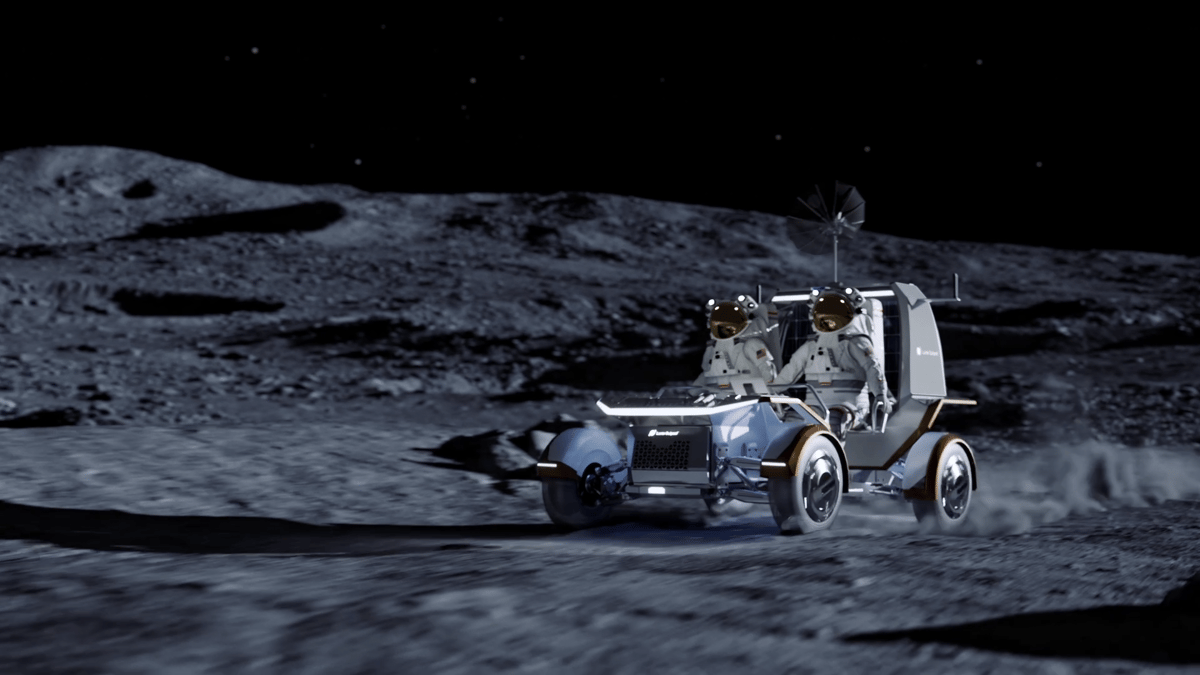
NASA Selects Lunar Outpost to Deliver Next-Gen Crewed Lunar Terrain Vehicle for Artemis Astronauts and Moon Base
Why It Matters
Pegasus gives NASA a proven, flexible mobility platform essential for sustained lunar operations, accelerating the timeline for a permanent Moon base and opening new commercial opportunities in space infrastructure.
Key Takeaways
- •NASA selects Lunar Outpost Pegasus as one of two LTV providers
- •Pegasus can carry two astronauts and operate autonomously or teleoperated
- •Partnership includes GM, Goodyear, and Leidos for space‑rated batteries
- •Vehicle supports real‑time livestreams from lunar surface for scientists
- •Helps NASA advance permanent Moon base plans targeting 2030
Pulse Analysis
The Artemis program’s shift from short‑duration visits to a sustained presence on the Moon has turned surface mobility into a strategic priority. NASA’s Lunar Terrain Vehicle Services contract reflects this change, calling for vehicles that can traverse the rugged South‑Pole region, haul scientific payloads, and lay the groundwork for habitats. By selecting Lunar Outpost’s Pegasus as one of two providers, the agency signals confidence in commercial partners to deliver the hardware needed for a 2030 permanent outpost. This award also expands the pool of proven mobility solutions beyond the legacy Apollo rover, accelerating the transition to a lunar economy.
Pegasus blends heritage design with modern automotive engineering. The low‑profile chassis echoes the Apollo LRV, while its powertrain leverages General Motors’ electric‑vehicle technology, re‑qualified for extreme temperature swings and vacuum conditions. Space‑rated batteries, supplied through the GM‑Goodyear‑Leidos collaboration, provide the endurance required for multi‑hour traverses, and an advanced thermal‑management system protects critical components from the Moon’s 100‑degree Celsius fluctuations. Autonomy, teleoperation, and crewed modes give mission planners flexibility, and built‑in high‑bandwidth communications enable real‑time video streams that can be shared with scientists and the public.
The contract positions Lunar Outpost as a cornerstone of the emerging lunar‑infrastructure market, where mobility, prospecting, and construction services will command billions of dollars in the next decade. With nine lunar and cislunar missions slated before 2030, the company is building a portfolio that could attract additional NASA task orders, commercial mining contracts, and international partnerships. The involvement of established automotive and defense firms reduces technical risk and showcases a model for cross‑industry collaboration in space. As private firms prove their capability to support Artemis, investors and policymakers will likely view lunar mobility as a viable commercial frontier.
NASA Selects Lunar Outpost to Deliver Next-Gen Crewed Lunar Terrain Vehicle for Artemis Astronauts and Moon Base
Comments
Want to join the conversation?
Loading comments...