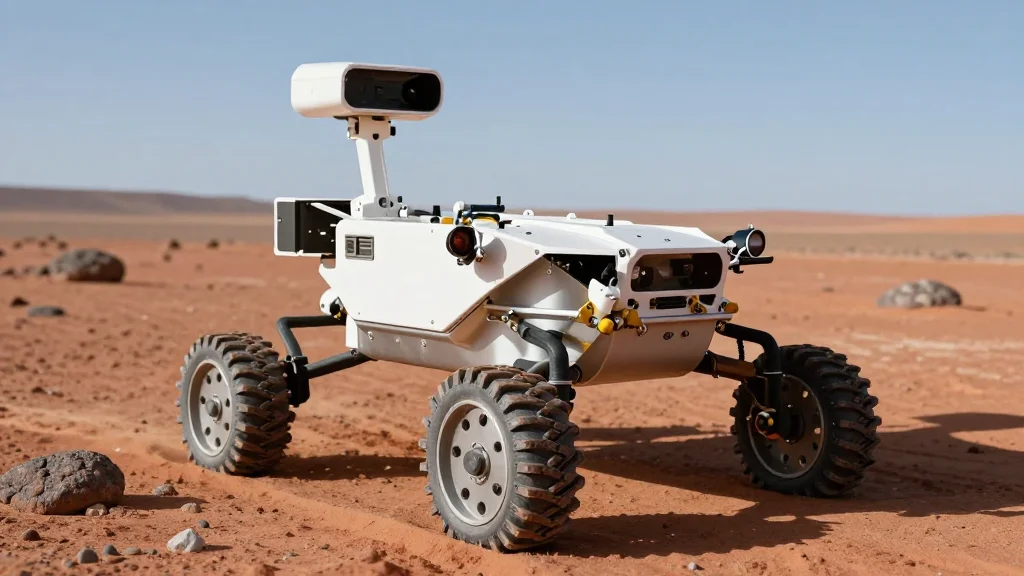
NASA Tests Lunar Rover in California Desert
Companies Mentioned

NASA
Why It Matters
Demonstrating reliable autonomous navigation on Earth‑analog terrain de‑rises risk and cost for future lunar landings, accelerating Artemis objectives and commercial lunar‑rover opportunities.
Key Takeaways
- •NASA's rover autonomously navigated 2 km of desert terrain
- •BLM's Plaster City site mimics lunar surface conditions
- •Jet Propulsion Lab provided navigation software and mapping
- •Test validates autonomous obstacle avoidance for future Artemis landers
- •Success may accelerate commercial lunar rover development
Pulse Analysis
NASA’s Artemis program aims to return humans to the Moon and establish a sustainable presence by the late 2020s. Central to that vision is a fleet of autonomous rovers capable of scouting terrain, delivering payloads, and supporting surface operations without constant human oversight. By proving self‑driving technology in a realistic environment, NASA reduces the need for extensive ground‑control infrastructure, cuts mission costs, and mitigates the hazards of operating on a body with no atmosphere or GPS. The desert test therefore represents a critical step toward operational autonomy on the lunar surface.
The Plaster City Open Area, managed by the Bureau of Land Management, offers a striking analog to the Moon’s regolith‑covered plains and rocky outcrops. Sparse vegetation, uneven dunes, and natural obstacles create a challenging navigation field that mirrors the hazards astronauts will face on the lunar highlands. NASA’s rover leveraged a detailed pre‑programmed map overlay, feeding navigation targets into its onboard AI to plot optimal routes, avoid obstacles, and minimize environmental impact. Collaboration with the BLM ensured compliance with land‑use regulations while providing a controlled yet authentic testing ground, highlighting the value of public‑land partnerships in advancing space technology.
The successful demonstration has ripple effects beyond NASA’s own missions. Commercial entities eyeing lunar contracts can now benchmark their hardware against a proven autonomous system, potentially accelerating private‑sector investment in lunar logistics. Moreover, the data gathered informs future policy on the use of federal lands for aerospace testing, balancing scientific progress with environmental stewardship. As autonomous rovers become integral to lunar infrastructure, the insights from California’s desert will shape design standards, risk assessments, and the timeline for establishing a permanent human foothold on the Moon.
NASA tests lunar rover in California desert
Comments
Want to join the conversation?
Loading comments...