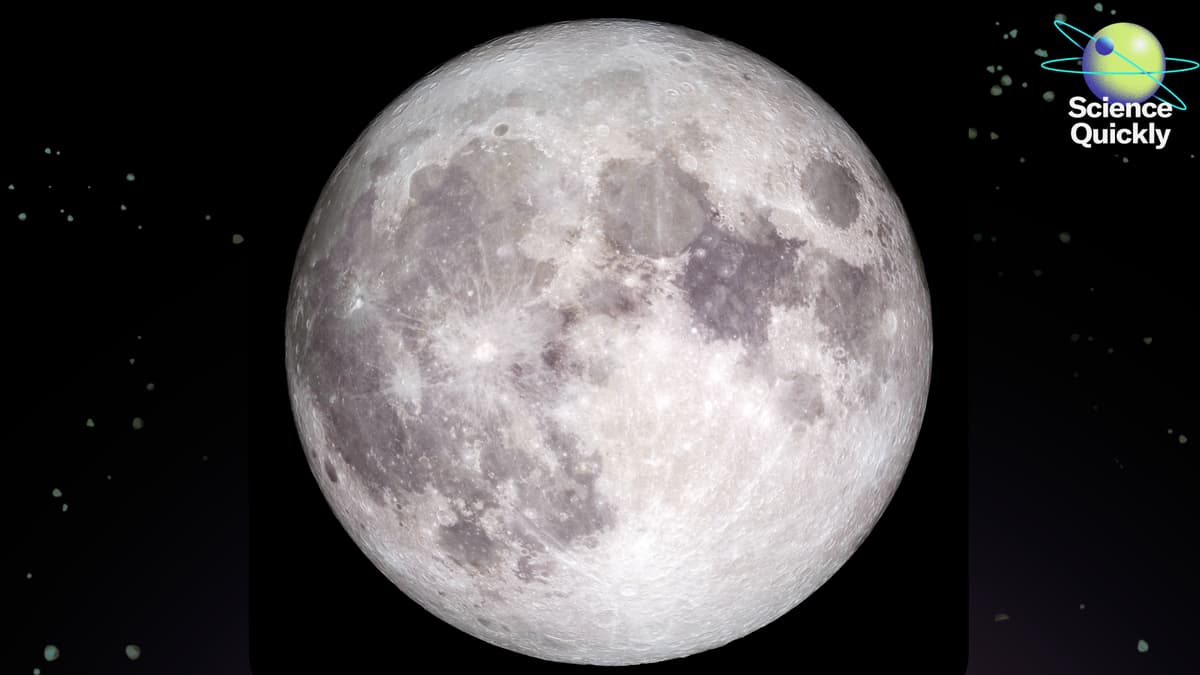
NASA’s Plan for a Nuclear Reactor on the Moon Could Change Space Exploration Forever—If It Works
Why It Matters
A functional lunar nuclear plant would make sustained human presence on the Moon viable, reshaping the economics of deep‑space exploration and giving the U.S. a strategic edge. Conversely, failure could tarnish the nation’s reputation and jeopardize future off‑world missions.
Key Takeaways
- •Lunar south‑pole nights last 14 Earth days, limiting solar power
- •Small 20‑kW reactors could sustain a moon base for a decade
- •Heat must be radiated via large fins due to lack of atmosphere
- •Launching nuclear fuel poses safety and regulatory challenges
- •Successful lunar nuclear power would accelerate Mars and deep‑space missions
Pulse Analysis
Solar panels have long powered spacecraft, but the Moon’s polar regions experience two‑week-long darkness, making continuous electricity a major obstacle for any permanent outpost. Nuclear fission, already proven on deep‑space probes, can generate steady power independent of sunlight, allowing habitats, life‑support systems, and scientific payloads to operate around the clock. By delivering a compact reactor, NASA hopes to reduce the logistical burden of ferrying fuel from Earth, thereby lowering mission costs and enabling more ambitious construction projects on the lunar surface.
Designing a reactor for the Moon is far from trivial. The reduced gravity (one‑sixth of Earth’s) renders water‑based cooling ineffective, forcing engineers to consider low‑mass air loops shipped from Earth or advanced heat‑pipe systems. Without an atmosphere, excess heat must be expelled through large radiative fins, a configuration never tested in the harsh thermal cycles of lunar day and night. Moreover, the launch of enriched uranium raises safety, regulatory, and public‑perception hurdles, even though past missions have successfully placed radio‑isotope generators in orbit with minimal incident.
If the technology succeeds, the payoff extends well beyond the Moon. A reliable nuclear source would enable self‑sustaining habitats, nuclear‑powered rovers, and even lunar agriculture, accelerating the timeline for a permanent presence. Demonstrated capability would also serve as a template for Martian bases, where dust‑covered solar panels and distance from Earth pose similar challenges. Conversely, a mishap—such as a launch accident or a reactor melt‑down contaminating water‑ice deposits—could damage the United States’ credibility and stall international cooperation on future exploration endeavors.
NASA’s plan for a nuclear reactor on the moon could change space exploration forever—if it works
Comments
Want to join the conversation?
Loading comments...