National Parks Traveler Podcast Episode 368 | Florida’s Ailing Reef
Why It Matters
A healthy reef underpins marine biodiversity, coastal protection, and a multi‑billion‑dollar tourism economy, making its decline a critical economic and environmental issue.
Key Takeaways
- •Only 2% of Florida Reef hosts living coral
- •Reef spans 350 miles across three national parks
- •Warming oceans and pollution are primary stressors
- •Mote Aquarium leads coral disease research and restoration
- •Restoration aims to boost resilience and tourism revenue
Pulse Analysis
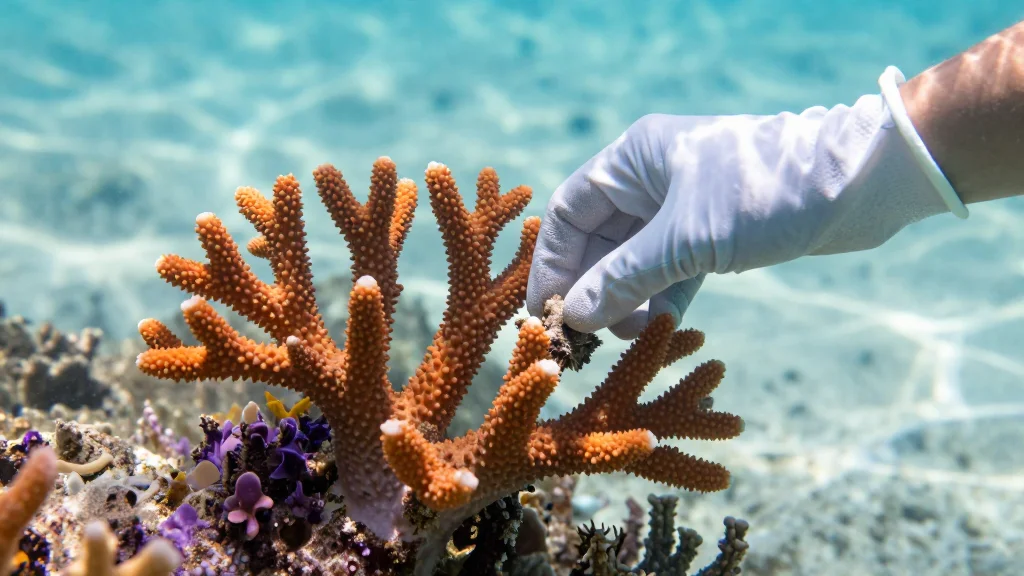
The Florida Reef, once a vibrant marine corridor, now teeters on the brink of ecological collapse. Extending roughly 350 miles from Biscayne National Park through Everglades to Dry Tortugas, the reef’s living coral cover has dwindled to a mere 2 percent. This loss erodes habitat for countless fish species, diminishes natural shoreline defenses, and threatens the tourism dollars generated by snorkeling, diving, and coastal recreation. Climate‑driven warming, nutrient runoff, and physical disturbances such as anchor drops and dredging compound the stress, creating a perfect storm for coral bleaching and disease.
At the forefront of the response is Dr. Erinn Fuller, associate vice president for research at Mote Aquarium. Her team monitors coral health, tracks disease outbreaks, and pilots restoration techniques like coral gardening, micro‑fragmentation, and assisted gene flow. By cultivating resilient coral genotypes and deploying them on degraded sites, they aim to accelerate natural recovery while reducing mortality from heat stress. The partnership between Mote Aquarium, federal agencies, and local NGOs exemplifies a science‑driven, collaborative model that could serve other threatened reef systems worldwide.
Beyond the scientific realm, the reef’s fate carries significant economic and policy implications. Healthy coral reefs attract millions of visitors annually, contributing billions to Florida’s economy and supporting local businesses. Moreover, intact reefs buffer shorelines against storm surge, a service increasingly vital as hurricanes intensify. The podcast underscores the need for sustained funding, stricter water‑quality regulations, and public awareness to safeguard this natural asset. As climate change accelerates, proactive restoration and adaptive management become essential tools for preserving both ecological integrity and the livelihoods that depend on it.
National Parks Traveler Podcast Episode 368 | Florida’s Ailing Reef
Comments
Want to join the conversation?
Loading comments...