Why It Matters
The study demonstrates Neanderthals’ sophisticated resource exploitation and tool‑making, reshaping assumptions about their cognitive abilities and cultural complexity. It also broadens the geographic scope of their adaptive strategies, informing models of human evolution in Europe.
Key Takeaways
- •92 turtle shell fragments with cut marks found at Neumark‑Nord
- •Marks indicate limbs removed, organs extracted, shells cleaned
- •Researchers infer shells were repurposed as tools, not food
- •Findings extend Neanderthal hunting range north of the Alps
- •Study highlights Neanderthal ecological flexibility and cultural complexity
Pulse Analysis
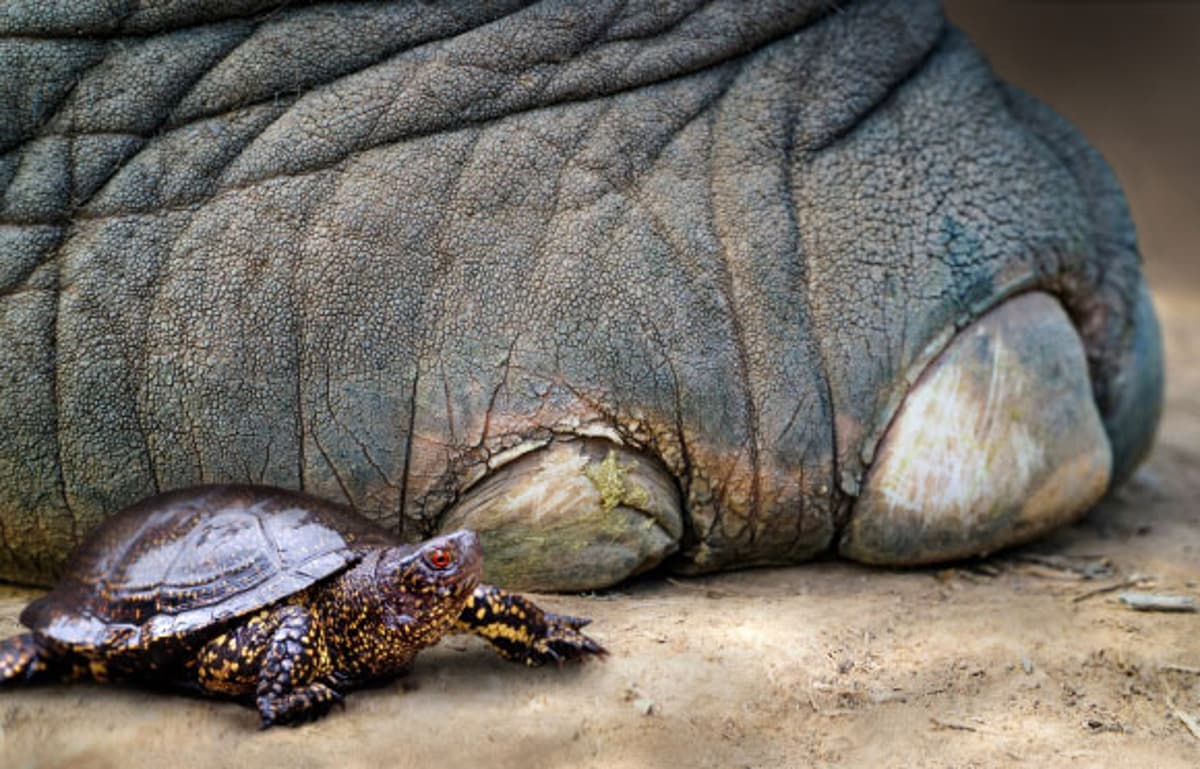
The recent discovery at Neumark‑Nord provides a rare glimpse into Neanderthal behavior far from the Mediterranean heartland. Using high‑resolution 3D scanning, scientists identified precise cut marks on 92 turtle shell fragments, confirming deliberate butchery. The meticulous removal of limbs and internal organs, followed by thorough cleaning, points to a purposeful processing sequence that goes beyond simple scavenging. By focusing on the shells themselves, the team suggests Neanderthals harvested these reptiles primarily for raw material, turning the hard carapace into functional tools.
This evidence dovetails with a growing body of research that paints Neanderthals as opportunistic foragers with a diverse diet. Prior finds have documented consumption of large game, small mammals, birds, and even marine resources such as shellfish. The turtle data adds a new dimension: the intentional selection of low‑calorie species for non‑nutritional purposes. Such behavior mirrors patterns observed in later hunter‑gatherer societies, where children or specialized groups collected small reptiles for tool production or medicinal uses. The German site thus underscores the cognitive flexibility required to assess resource value beyond immediate caloric return.
Looking ahead, the study invites archaeologists to re‑examine other assemblages for subtle signs of tool‑oriented processing. If Neanderthals routinely repurposed animal parts for implements, their technological repertoire may have been richer than previously thought. This insight reshapes narratives about their cultural sophistication and supports a view of Neanderthals as adaptive innovators, capable of complex decision‑making that contributed to their long‑term survival in varied European environments.
Neanderthals Hunted Pond Turtles, But Not for Dinner
Comments
Want to join the conversation?
Loading comments...