
Why It Matters
The find demonstrates that Neanderthals possessed complex resource‑management skills, challenging the notion of their technological inferiority and informing models of human evolution and prehistoric nutrition.
Key Takeaways
- •Neanderthals crushed 172+ mammal bones for large‑scale grease production.
- •Processing occurred at a lakeside “fat factory” 125,000 years ago.
- •Activity required coordinated hunting, transport, and heating bones in water.
- •Findings push sophisticated food‑processing back tens of thousands of years.
- •Site preservation reveals broader Neanderthal ecological impact across the landscape.
Pulse Analysis
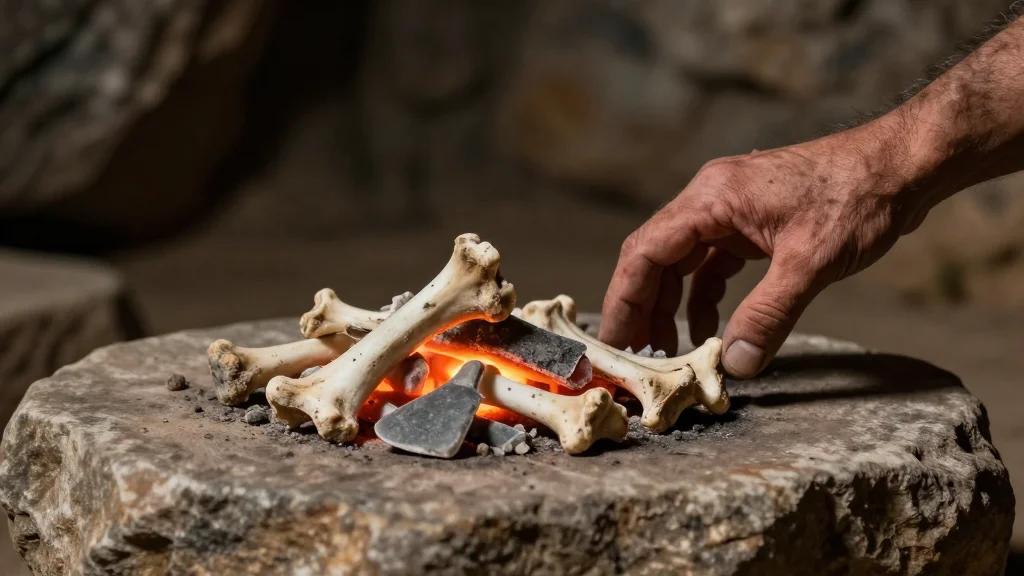
The extraction of bone grease—an energy‑rich fat—has long been considered a hallmark of later Upper Paleolithic societies. Fat provides essential calories when plant resources are scarce, and its deliberate recovery from marrow and bone requires both technical know‑how and a willingness to invest labor. By demonstrating that Neanderthals engaged in systematic bone‑crushing and water‑based rendering, the Neumark‑Nord 2 study forces scholars to reassess the timeline of complex dietary engineering, positioning these hominins as early innovators in high‑calorie food production.
At the heart of the discovery is a meticulously organized landscape. Researchers identified a central processing zone near a shallow lake where fragmented bones from deer, horses, aurochs and even straight‑tusked elephants were amassed. The scale—tens of thousands of fragments—implies coordinated hunting expeditions, transport of carcasses across the terrain, and the establishment of a task‑specific area for rendering. Such logistical planning suggests social structures capable of division of labor and knowledge transmission, traits traditionally ascribed to Homo sapiens. The presence of flint tools and hammer stones further underscores a technologically sophisticated toolkit tailored to this intensive activity.
Beyond reshaping perceptions of Neanderthal cognition, the findings open new avenues for archaeological inquiry. The exceptional preservation of an entire lake‑margin ecosystem allows researchers to trace how prehistoric groups altered animal populations and possibly even plant communities. Future work can leverage isotopic analyses and experimental archaeology to quantify the caloric returns of bone grease versus meat, refining models of energy budgeting in Pleistocene foragers. Ultimately, recognizing Neanderthals as strategic fat producers enriches the broader narrative of human adaptability and underscores the deep roots of culinary ingenuity.
Neanderthals ran 'fat factories' 125,000 years ago (2025)
Comments
Want to join the conversation?
Loading comments...