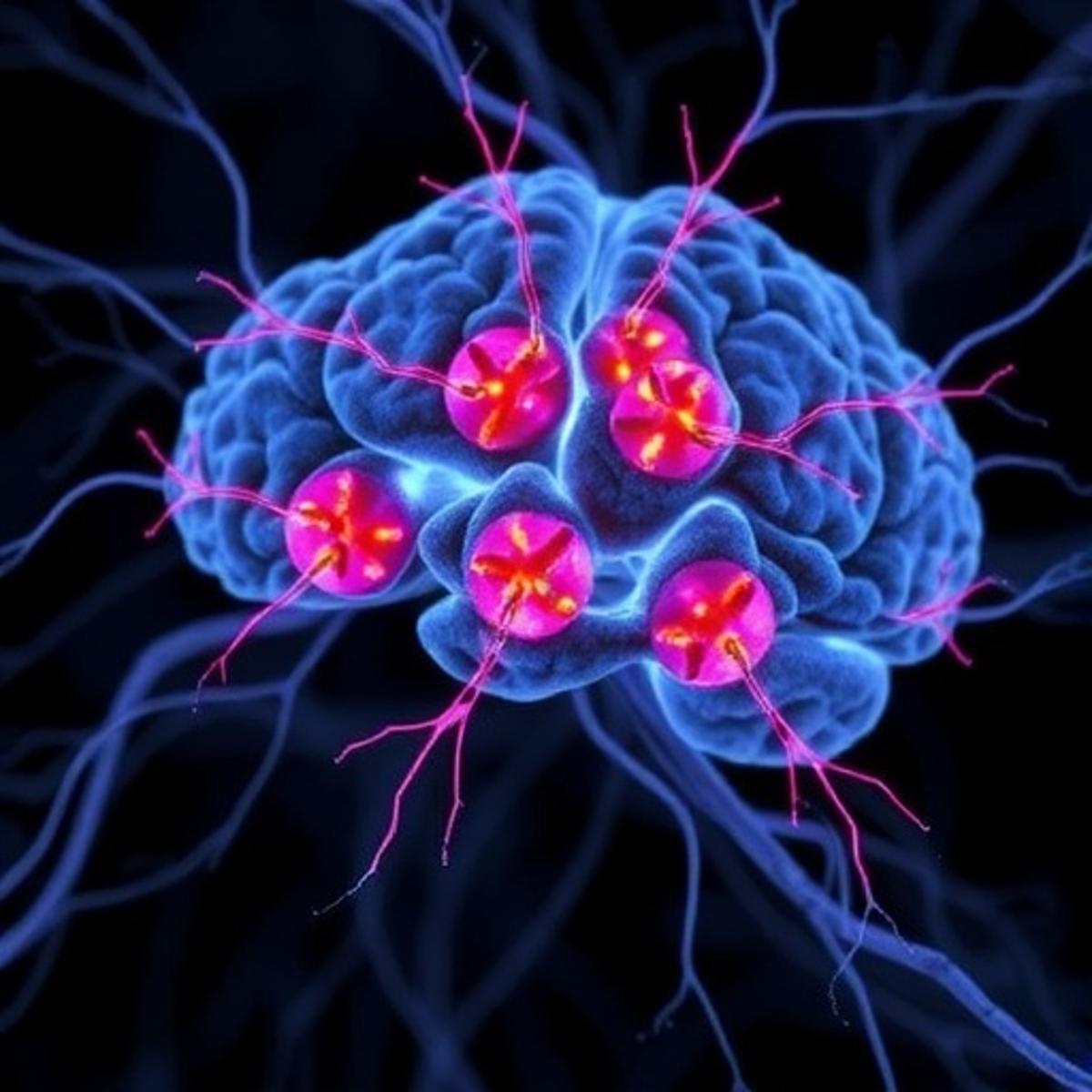
Neuroproteasomes Control Tau Filaments by APOE, Age
Why It Matters
By linking APOE‑driven risk and age‑related proteasome decline to tau pathology, the research highlights a modifiable target that could slow or reverse Alzheimer’s progression, a priority for the biotech and pharma sectors.
Key Takeaways
- •Neuroproteasome activity declines with age, promoting tau aggregation
- •APOE4 carriers show reduced proteasome-mediated tau clearance
- •Enhancing neuroproteasome function restores tau homeostasis in mouse models
- •Study suggests proteasome‑targeted therapeutics for Alzheimer’s disease
- •Findings link genetic risk and proteostasis in neurodegeneration
Pulse Analysis
The discovery that neuroproteasomes control tau filament formation reshapes our understanding of Alzheimer’s disease biology. Historically, research has focused on extracellular amyloid plaques, but intracellular protein‑quality control systems are now recognized as pivotal. This study shows that neuroproteasomes degrade misfolded tau before it can polymerize, and that their efficiency wanes with age—a universal risk factor. Moreover, the APOE4 genotype, the strongest genetic predictor of late‑onset Alzheimer’s, appears to impair proteasome function, creating a double‑hit scenario that accelerates neurodegeneration.
From a therapeutic perspective, the work suggests that boosting neuroproteasome activity could be a viable strategy. In preclinical trials, small‑molecule activators of the proteasome reduced tau burden and restored memory in aged mice carrying human APOE4. These agents act upstream of tau aggregation, potentially offering disease‑modifying benefits without the side effects associated with direct tau‑targeting antibodies. Pharmaceutical companies are already exploring proteostasis‑enhancing compounds, and this data provides a clear rationale for advancing them into human studies, especially for patients with APOE4‑related risk.
The broader implication extends beyond Alzheimer’s. Proteasome dysfunction is implicated in Parkinson’s, Huntington’s, and amyotrophic lateral sclerosis, suggesting a common therapeutic axis across neurodegenerative diseases. Investors and biotech firms should monitor emerging pipelines that leverage proteasome modulation, as they may capture a sizable market share in the growing dementia therapeutics sector. Ultimately, integrating genetic profiling with proteostasis‑targeted treatments could usher in a new era of personalized neuro‑medicine.
Neuroproteasomes Control Tau Filaments by APOE, Age
Comments
Want to join the conversation?
Loading comments...