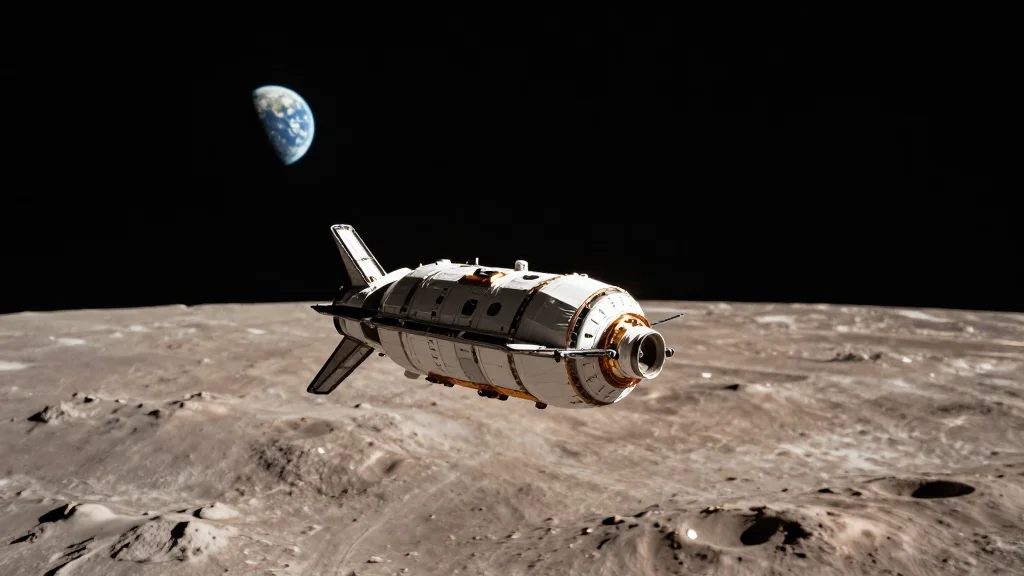
New Artemis II Images Give Fresh Look at Our Lunar Neighbour
Why It Matters
The imagery provides unprecedented scientific data on lunar geology and solar phenomena while highlighting the human story behind deep‑space exploration, reinforcing momentum toward a sustained lunar presence under NASA’s Artemis program.
Key Takeaways
- •Artemis II crew captured first crewed lunar far‑side images in 50 years
- •Images reveal Orientale basin, Grimaldi crater, and ancient lava flows
- •Astronauts proposed naming two craters “Integrity” and “Carroll” after personal tributes
- •54‑minute solar eclipse captured, showing corona and Earth’s faint outline
- •Mission set record farthest human distance: 248,655 miles from Earth
Pulse Analysis
The Artemis II mission marks a pivotal step in NASA’s return to deep space, delivering the first crewed photographs of the Moon’s far side in more than half a century. Launched on 1 April, the Orion‑based flight spent ten days circling the lunar system, providing a unique platform for high‑resolution imaging and scientific observation. By capturing the Orientale basin, the dark‑floored Grimaldi crater, and ancient basaltic lava flows, the crew supplied fresh data that can refine models of lunar impact history and volcanic activity, while the 54‑minute solar eclipse offered rare insight into the Sun’s corona from a lunar perspective.
Beyond raw science, the images resonated on a human level. The crew’s decision to propose names for two small craters—"Integrity," after their spacecraft, and "Carroll," honoring astronaut Jeremy Hansen’s late wife—personalized the mission and underscored the emotional connection astronauts maintain with the cosmos. Public reaction has been strong, with educators and media outlets leveraging the striking visuals to spark curiosity and broaden outreach. The Earth‑crescent view, showing day‑night contrast over Australia and Oceania, further bridges the gap between space exploration and everyday experience, reinforcing the narrative that space endeavors are a shared human story.
Looking ahead, Artemis II’s success lays groundwork for Artemis III’s planned lunar landing and the eventual construction of a sustainable lunar gateway. The geological snapshots will aid site‑selection for future habitats, while the eclipse data contributes to solar‑weather forecasting crucial for crew safety. Moreover, the mission’s blend of technical achievement and personal storytelling sets a template for commercial partners and international collaborators, highlighting how scientific breakthroughs can be communicated in ways that inspire public support and drive investment in the next era of exploration.
New Artemis II images give fresh look at our lunar neighbour
Comments
Want to join the conversation?
Loading comments...