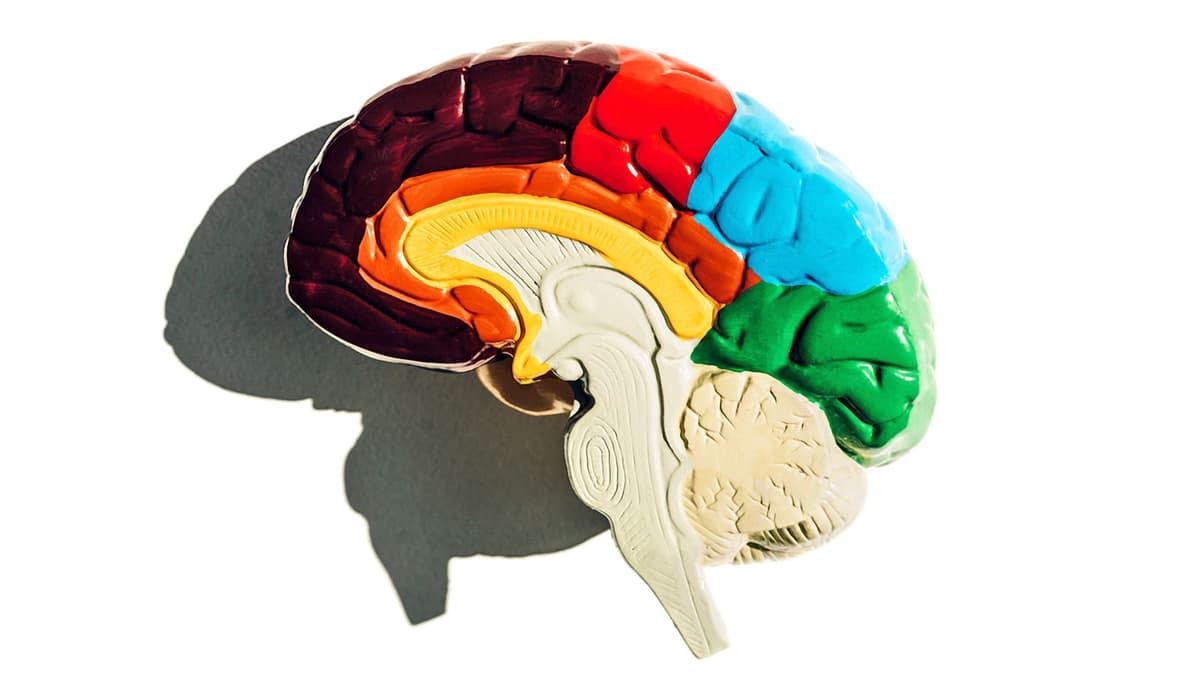
New Brain Insights May Inform Rehab After Stroke or Brain Injury
Why It Matters
By redefining the neural basis of speech motor memory, the study opens new therapeutic pathways for stroke survivors and informs the design of more effective brain‑computer interfaces.
Key Takeaways
- •Sensory cortex disruption impairs speech memory retention after learning
- •Auditory and somatosensory areas, not motor cortex, drive speech motor memory
- •Study used real‑time speech alteration and TMS to isolate brain regions
- •Findings suggest targeting sensory cortex in post‑stroke speech rehab
- •Results could enhance brain‑computer interfaces by leveraging sensory signals
Pulse Analysis
The conventional model of speech motor learning places the frontal motor cortex at the center of acquiring and retaining new vocal patterns. Yale’s latest experiment, published in the Proceedings of the National Academy of Sciences, upends this paradigm by demonstrating that sensory regions—specifically auditory and somatosensory cortices—play the pivotal role. Participants heard their own speech altered in real time while researchers applied transcranial magnetic stimulation to selectively disrupt neural activity. Memory tests 24 hours later revealed that only interference with sensory areas, not the motor cortex, degraded retention of the learned speech adjustments.
For clinicians, the implications are immediate. Rehabilitation programs for stroke or traumatic brain injury have traditionally emphasized motor retraining, often using repetitive articulation exercises. This study suggests that therapies should instead prioritize sensory feedback mechanisms, such as enhanced auditory monitoring and tactile cues, to reinforce neural plasticity in the sensory cortex. Non‑invasive neuromodulation techniques like targeted TMS or transcranial direct current stimulation could be deployed to boost sensory cortical activity, potentially accelerating speech recovery and reducing therapy duration.
Beyond clinical rehab, the findings resonate with the broader neurotechnology sector. Brain‑computer interfaces that translate neural signals into speech output have struggled with reliability, partly due to an incomplete understanding of the underlying neural circuitry. By highlighting the sensory basis of speech motor memory, the research provides a roadmap for designing algorithms that integrate auditory and somatosensory data streams, improving decoding accuracy. Future work may explore hybrid prosthetic devices that deliver real‑time sensory feedback, closing the loop between intention and articulation for users with severe speech impairments.
New brain insights may inform rehab after stroke or brain injury
Comments
Want to join the conversation?
Loading comments...