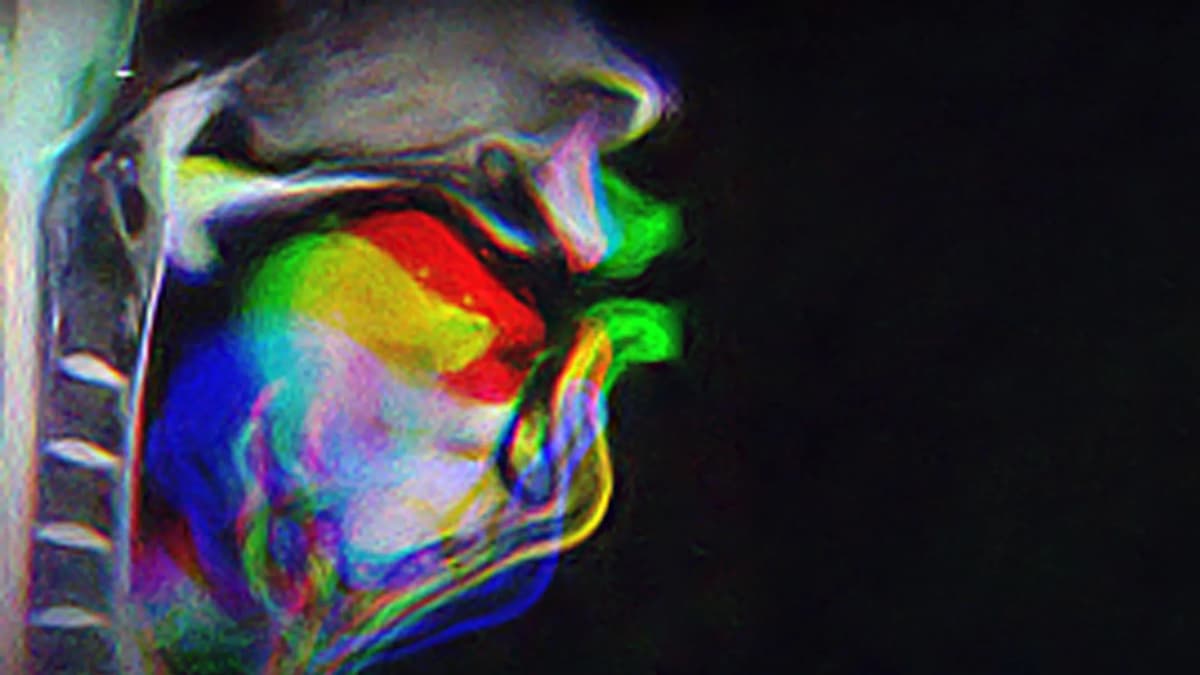
New Brain Study Reveals Speech Learning Works Differently than We Thought
Why It Matters
By highlighting sensory systems as the primary drivers of speech memory, the study opens avenues for more effective stroke‑rehab protocols and informs the design of next‑generation brain‑speech interfaces, potentially accelerating recovery and improving assistive communication devices.
Key Takeaways
- •Auditory cortex disruption reduces speech learning retention
- •Somatosensory cortex also critical for speech memory
- •Motor cortex disruption shows minimal impact on retention
- •Findings could reshape speech‑rehab therapies post‑stroke
- •Research may inform next‑gen brain‑speech interfaces
Pulse Analysis
The new research overturns decades of neuroscience doctrine that placed the motor cortex at the heart of speech acquisition. By demonstrating that sensory processing—specifically auditory and somatosensory pathways—plays a decisive role in encoding and retaining new phonetic patterns, the study reframes how scientists conceptualize language learning. This sensory‑first perspective aligns with emerging evidence from motor‑skill research, suggesting that the brain’s perception mechanisms may scaffold the formation of complex motor memories, rather than the reverse.
Methodologically, the team combined real‑time speech perturbation with targeted transcranial magnetic stimulation to isolate each region’s contribution. Participants who received TMS over the auditory or somatosensory cortex showed markedly poorer recall of altered speech after 24 hours, whereas motor‑cortex interference left performance largely intact. These results underscore the plasticity of sensory cortices and hint at therapeutic leverage points for post‑stroke speech rehabilitation. By training patients to engage auditory and tactile feedback loops, clinicians could foster more durable speech recovery than traditional motor‑focused exercises.
Beyond clinical implications, the findings have ripple effects for the burgeoning field of brain‑speech interfaces. Devices that decode intent from neural signals may achieve higher fidelity by prioritizing sensory‑area recordings, improving real‑time translation for individuals with communication impairments. Moreover, the study encourages a cross‑disciplinary dialogue between cognitive neuroscience, speech‑technology firms, and rehabilitation specialists, accelerating the translation of basic science into market‑ready solutions that enhance human communication.
New brain study reveals speech learning works differently than we thought
Comments
Want to join the conversation?
Loading comments...