New Combined Spore Trapping and DNA Sequencing Technology Tracks Fungicide Resistance in Grain Crops
Why It Matters
By delivering rapid, landscape‑wide detection of fungicide resistance, the system helps protect grain yields and extends the useful life of existing chemicals, a critical need for the Australian grains sector.
Key Takeaways
- •Portable MinION sequencer enables real‑time spore DNA analysis.
- •Airborne spore traps now reveal full fungicide target gene mutations.
- •Field trials in WA, VIC, SA map resistance emergence across regions.
- •Faster data feeds CCDM’s mapping tool, guiding growers’ fungicide decisions.
Pulse Analysis
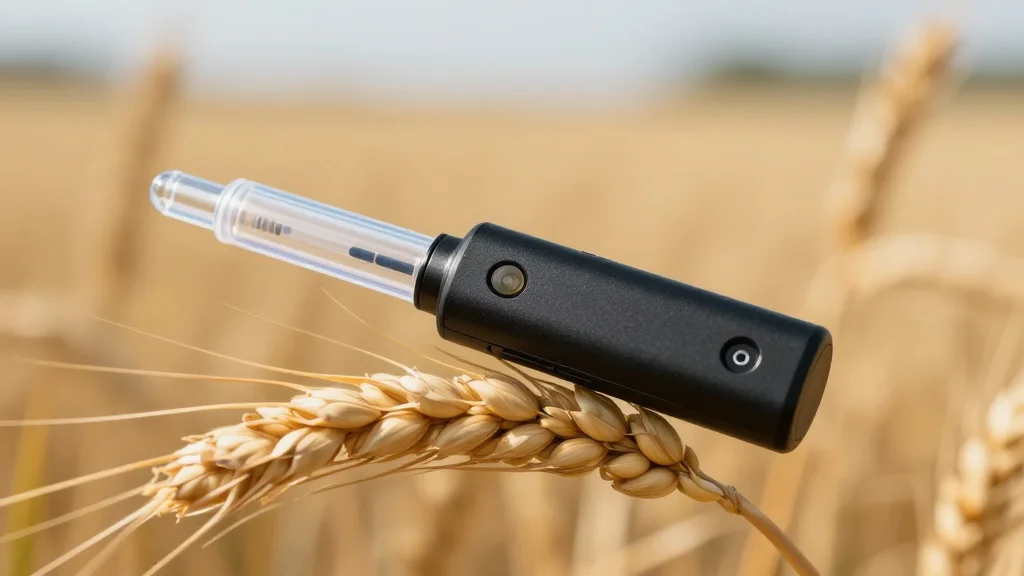
The new monitoring platform combines two proven tools—spore traps and Oxford Nanopore’s MinION sequencer—into a single, field‑deployable unit the size of a chocolate bar. Unlike conventional lab‑based assays that require harvested plant tissue, this approach captures airborne spores directly from the canopy and sequences the entire fungicide target gene on site. Real‑time results reveal single‑point mutations as well as complex multi‑gene changes, giving researchers a granular view of resistance evolution as it happens.
For grain producers, the ability to pinpoint resistance hotspots across a paddock transforms decision‑making. Traditional resistance surveys are limited by sampling time and location, often delivering insights weeks after the fact. The integrated system shortens that lag to hours, allowing agronomists to adjust fungicide programs, rotate chemistries, or implement non‑chemical controls before losses accrue. Moreover, feeding the data into CCDM’s Pesticide Resistance Integrated Mapping tool creates a shared, up‑to‑date intelligence layer for the entire industry, supporting sustainable disease management and preserving the efficacy of existing fungicides.
Globally, the technology signals a shift toward precision plant pathology. As climate variability intensifies pathogen pressure, rapid, high‑resolution surveillance becomes a competitive advantage. The Australian field trials serve as a blueprint for other major grain‑producing regions seeking to safeguard yields while minimizing chemical inputs. Continued scaling, cost reductions in portable sequencing, and integration with predictive analytics could soon make landscape‑wide resistance monitoring a standard practice, reshaping the economics of crop protection worldwide.
New combined spore trapping and DNA sequencing technology tracks fungicide resistance in grain crops
Comments
Want to join the conversation?
Loading comments...