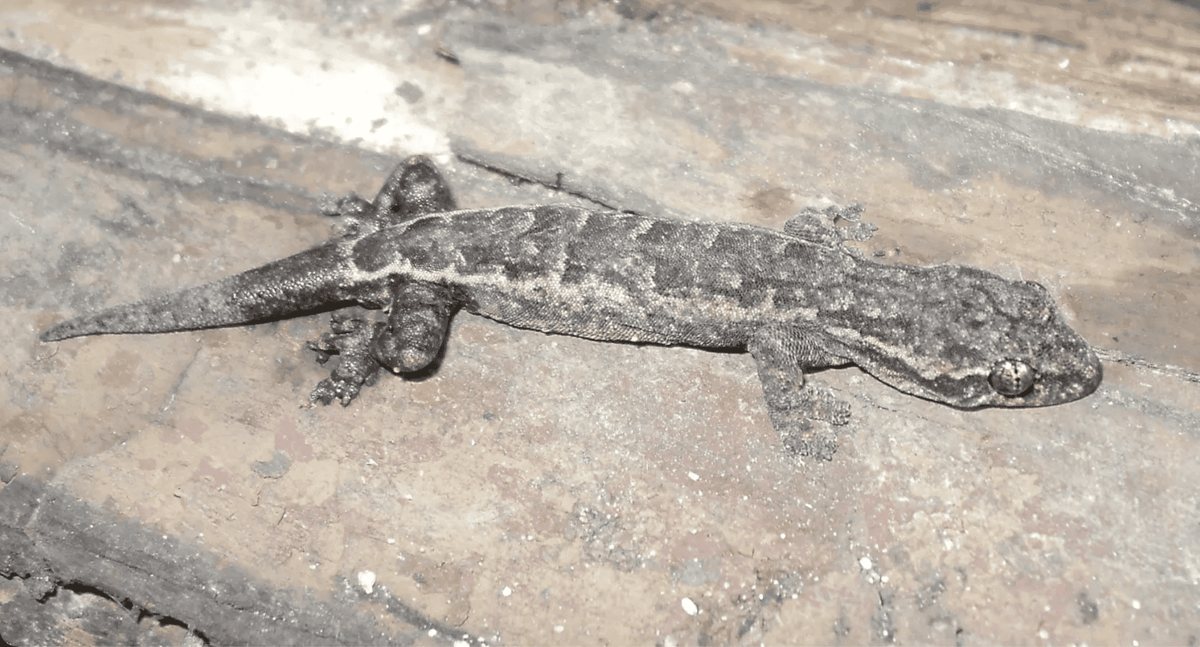
New ‘Cryptic’ Gecko Species Discovered in Vietnam’s Imperiled Karst Forests
Why It Matters
The find underscores how much undiscovered biodiversity persists in Vietnam's threatened karst landscapes, highlighting urgent conservation needs for habitats facing rapid industrial pressure.
Key Takeaways
- •New gecko species identified in Vietnam's Copia Nature Reserve
- •Genetic analysis shows 14% divergence, confirming distinct species
- •Habitat under threat from limestone quarrying and road construction
- •Species range under 50 km², recommended IUCN “data deficient.”
- •Cryptic gecko discoveries surged, 85% described in past decade
Pulse Analysis
The discovery of Ziegler’s Slender Gecko illustrates the power of modern molecular tools to untangle cryptic lineages hidden in Southeast Asia’s limestone karsts. While these reptiles look nearly identical to their congeners, a 14% genetic split signals a long‑separate evolutionary trajectory, reinforcing the idea that visual similarity can mask deep biodiversity. This revelation adds to a wave of recent taxonomic breakthroughs, with 85% of Hemiphyllodactylus species described in the last ten years, suggesting that many more undiscovered taxa may lurk in similarly inaccessible habitats.
Karst ecosystems in northern Vietnam are under mounting pressure from the cement industry, which mines limestone for aggregate, and from infrastructure projects that fragment the terrain. Even within the Copia Nature Reserve, road construction and selective logging erode the microhabitats that these micro‑reptiles depend on. The gecko’s known distribution, under 50 km², makes it especially vulnerable to habitat loss, prompting researchers to propose a “data deficient” classification on the IUCN Red List until population trends can be quantified. This precautionary stance reflects a broader challenge: balancing economic development with the preservation of endemic species that have no alternative refuge.
Beyond the immediate conservation concerns, the surge in cryptic species descriptions carries implications for biodiversity policy and funding. Accurate species inventories are essential for prioritizing protected areas, allocating research grants, and informing environmental impact assessments. As genetic sequencing becomes more affordable, governments and NGOs can better identify hidden diversity before it disappears. Raising public awareness about the unique value of limestone habitats could galvanize support for stricter quarrying regulations and targeted habitat restoration, ensuring that newly discovered species like Hemiphyllodactylus ziegleri have a chance to persist in the wild.
New ‘cryptic’ gecko species discovered in Vietnam’s imperiled karst forests
Comments
Want to join the conversation?
Loading comments...