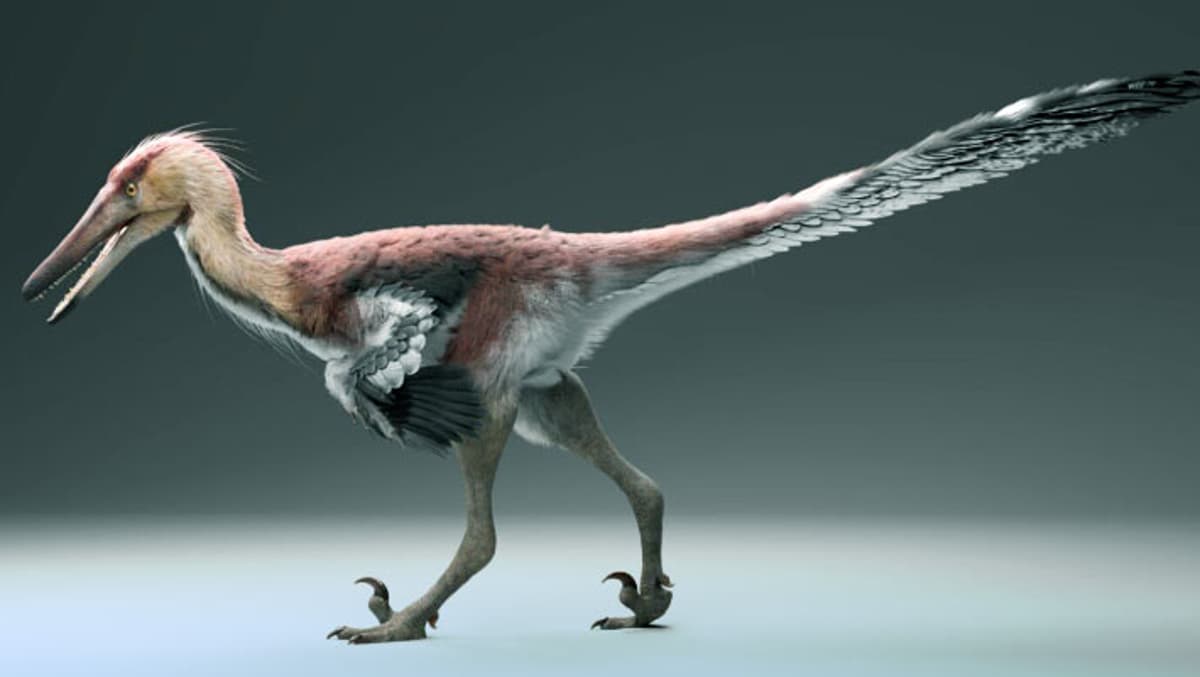
New Dinosaur Species From Argentina May Have Specialized in Catching Fish
Why It Matters
Kank australis proves that specialized piscivory evolved among South American theropods, reshaping our view of Late Cretaceous ecosystem complexity. The species also clarifies the biogeographic spread of unenlagiids across high‑latitude continents.
Key Takeaways
- •Kank australis measured 2.5‑3 m, feathered unenlagiid from Patagonia.
- •Cervical vertebrae indicate neck flexibility similar to modern herons.
- •Teeth ridges and fish fossils suggest specialized piscivorous diet.
- •Discovery bridges fossil gap between northern Patagonia and Antarctica.
- •Coexisted with giant megaraptorid Maip macrothorax, indicating complex ecosystem.
Pulse Analysis
The unveiling of Kank australis adds a critical data point to the puzzle of unenlagiid distribution. Previously, most unenlagiids were known from northern Patagonia and Antarctic deposits, leaving a southern Patagonian void. By confirming a Maastrichtian presence in the Chorrillo Formation, researchers demonstrate that these bird‑like theropods traversed a broader latitudinal range than assumed, suggesting dispersal routes linked to shifting Cretaceous coastlines and climate gradients.
Morphologically, Kank australis bears hallmarks of an aquatic predator. Its elongated cervical vertebrae feature muscle‑attachment pits and vascular protection akin to the necks of modern herons, enabling rapid strikes in shallow water. The teeth, lined with pronounced longitudinal ridges, would have sliced slippery fish, while the pneumatic vertebrae reduced neck weight for swift maneuvering. Such adaptations underscore a convergent evolution pattern where theropods independently adopted fishing strategies, expanding the ecological niches traditionally ascribed to dinosaurs.
Beyond taxonomy, the find reshapes our understanding of Late Cretaceous food webs in southern Gondwana. Coexisting with the massive maegaptorid Maip macrothorax, Kank australis likely occupied a mid‑tier predatory role, preying on fish, amphibians, and small vertebrates while avoiding larger carnivores. This layered predator hierarchy mirrors modern wetland ecosystems and hints at complex inter‑species interactions previously undocumented in the fossil record. Future excavations in Patagonia may reveal additional specialized feeders, prompting a reassessment of dinosaurian dietary diversity and ecosystem dynamics as the planet approached its final mass extinction.
New Dinosaur Species from Argentina May Have Specialized in Catching Fish
Comments
Want to join the conversation?
Loading comments...