New Framework Suggests Dark Energy Could Be Evolving—And May Be Linked to the Hubble Tension
Why It Matters
Linking dark‑energy evolution to the Hubble discrepancy could reshape the standard cosmological model and guide future observational investments. Demonstrating that current data cannot decisively favor alternatives underscores the need for more precise, diversified measurements.
Key Takeaways
- •New framework links evolving dark energy to Hubble tension
- •Multi‑probe method isolates epoch‑specific cosmological signatures
- •No model outperforms ΛCDM with current data
- •Evidence suggests dark energy properties changed over time
- •Possible dark matter–dark energy interaction hinted
Pulse Analysis
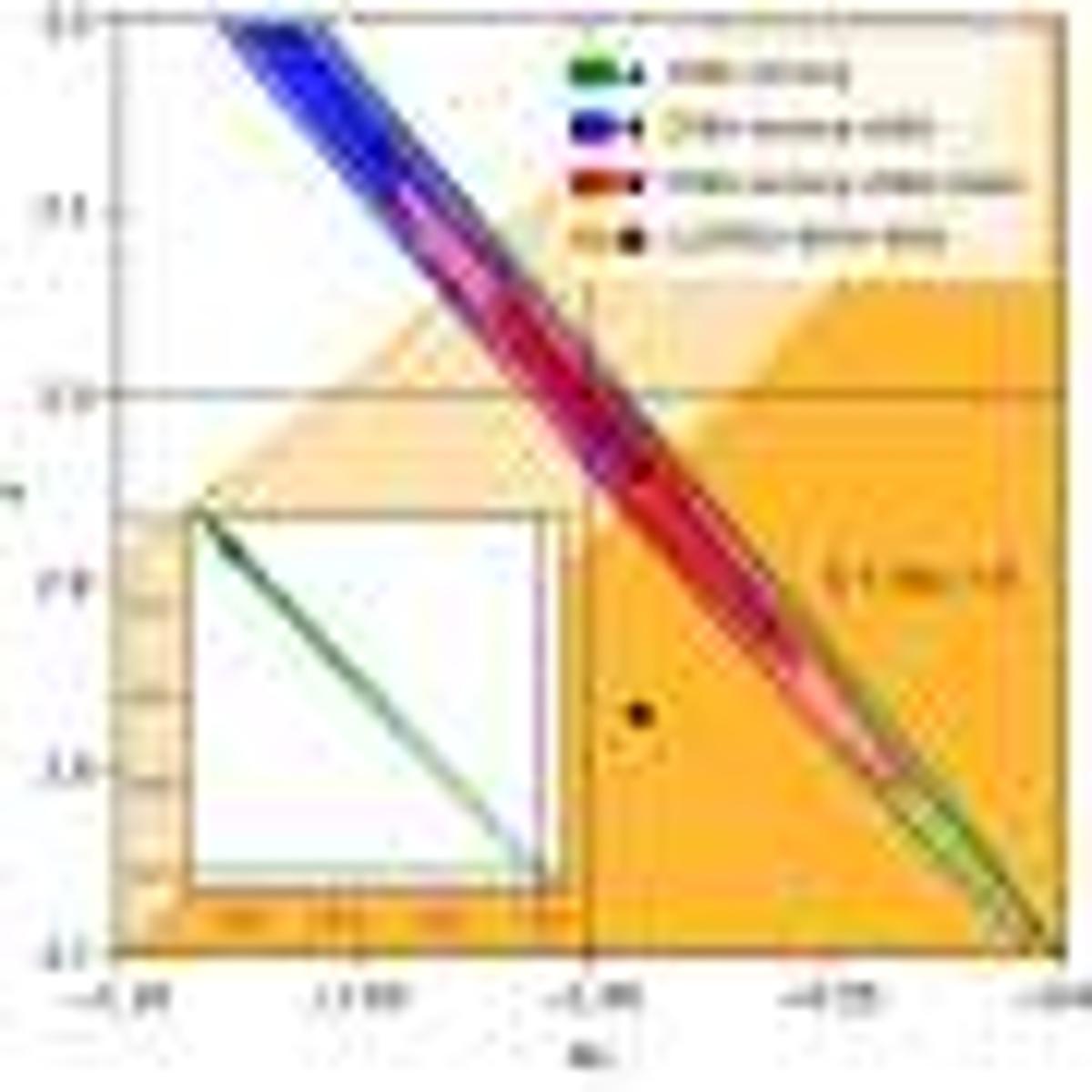
The ΛCDM paradigm, long‑standing as the backbone of modern cosmology, rests on a constant dark‑energy term, cold dark matter, and ordinary matter. Recent high‑precision observations, especially from the Dark Energy Spectroscopic Instrument, have exposed cracks in this picture, most notably the Hubble tension—a roughly 5% discrepancy between early‑universe (CMB) and late‑universe (distance‑ladder) expansion rate measurements. By proposing a flexible framework that allows dark energy to evolve, Chinese cosmologists aim to reconcile these divergent datasets without discarding the core structure of ΛCDM, offering a potential bridge between theory and observation.
The innovative aspect of the study lies in its multi‑probe strategy. Instead of merging all cosmological data into a single fit, each probe—CMB for the high‑redshift universe, type Ia supernovae and baryon acoustic oscillations for nearer epochs—generates independent constraints. This separation reduces parameter degeneracies that have historically masked subtle physical effects, enabling researchers to pinpoint which models align with specific cosmic eras. The approach revealed that while none of the five tested dark‑energy models currently outperforms ΛCDM, there is consistent evidence that dark‑energy dynamics may have shifted over billions of years.
Looking ahead, the findings signal a clear agenda for the astronomical community: invest in next‑generation surveys that expand the multi‑probe toolkit and refine systematic error controls. Projects such as the Vera C. Rubin Observatory, Euclid, and the Nancy Grace Roman Space Telescope will deliver the depth and breadth needed to test evolving dark‑energy scenarios robustly. If future data confirm interactions between dark matter and dark energy, the implications could ripple beyond academia, influencing funding priorities, technology development, and even the broader narrative of humanity’s place in the cosmos.
New framework suggests dark energy could be evolving—and may be linked to the Hubble tension
Comments
Want to join the conversation?
Loading comments...