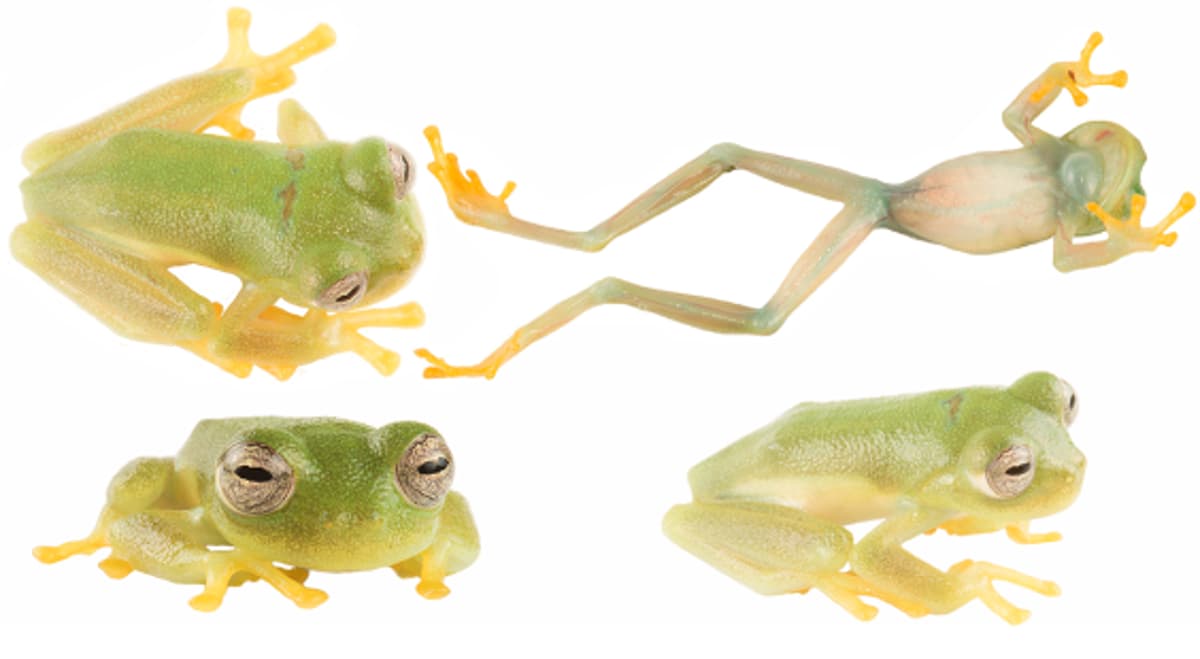
Why It Matters
The discovery expands known amphibian diversity in a global biodiversity hotspot and underscores the role of taxonomic research in informing conservation priorities. Naming the species after a female Olympian also raises public visibility for both science and women’s achievements.
Key Takeaways
- •Dajomes glassfrog discovered in Ecuador's Cordillera del Cóndor.
- •Named after Olympic weightlifting champion Neisi Dájomes.
- •Species identified by reanalysis of specimens collected 2017‑2018.
- •Highlights importance of female scientists in biodiversity research.
Pulse Analysis
The Cordillera del Cóndor, a rugged stretch of the Andes, has long been recognized as a refuge for endemic amphibians. Recent fieldwork and museum audits have revealed that many of its resident species remain undocumented, making the region a priority for biodiversity assessments. The identification of Nymphargus dajomesae illustrates how modern taxonomic techniques—combining detailed morphology with genetic tools—can uncover hidden lineages even in well‑collected collections, reinforcing the need for continued investment in systematic research.
Naming a newly described species after Neisi Dájomes, Ecuador’s Olympic weight‑lifting champion, reflects a growing trend of linking scientific discoveries to cultural icons. Such eponyms serve a dual purpose: they honor individuals who have achieved national prominence and they generate broader public interest in otherwise obscure scientific work. By associating a fragile glassfrog with a celebrated athlete, the researchers hope to spark curiosity among sports fans and inspire support for conservation initiatives that protect the frog’s alpine habitat.
Beyond the symbolic gesture, the discovery carries concrete conservation implications. Glassfrogs are highly sensitive to habitat alteration, climate change, and emerging pathogens like chytrid fungus. Documenting a new species provides a baseline for monitoring population health and informs policymakers about critical areas requiring protection. Moreover, the involvement of a young female scientist in the find highlights the importance of diversifying the research workforce, ensuring that fresh perspectives drive future biodiversity discoveries and stewardship efforts.
New Frog Species Gets Olympian Name
Comments
Want to join the conversation?
Loading comments...