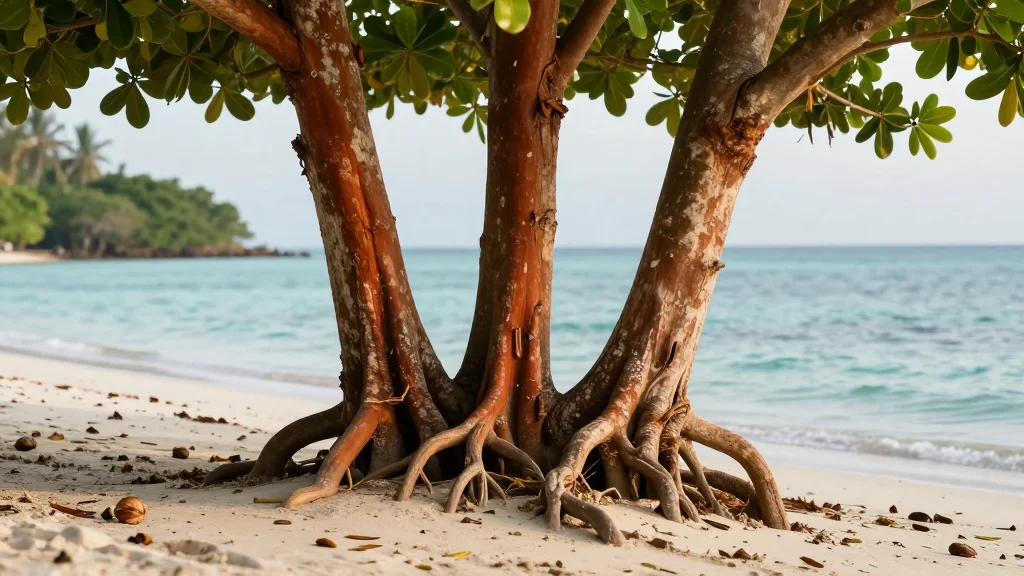
New Mahogany Species Found in Zanzibar — but Fewer than 30 Trees Remain
Why It Matters
The discovery adds a rare, commercially valuable species to a biodiversity hotspot, yet its imminent loss highlights urgent gaps in tropical forest protection and illegal logging enforcement.
Key Takeaways
- •New mahogany species *Afzelia corallina* identified on Zanzibar
- •Fewer than 30 mature trees remain in the wild
- •Illegal logging and storms have felled several individuals
- •Seeds germinate easily with 90% survival rate
- •Conservationists urge private planting to safeguard genetic diversity
Pulse Analysis
The identification of *Afzelia corallina* underscores Zanzibar’s role as a hidden reservoir of botanical novelty. While the island’s coastal forests have long attracted researchers, the discovery of a distinct mahogany with coral‑colored flowers reveals how understudied habitats can still yield taxonomic breakthroughs. This new species joins a short list of endemic trees that contribute to the region’s ecological complexity and potential timber value, prompting immediate scientific and policy attention.
However, the species’ precarious status reflects broader pressures on tropical forests across East Africa. Illegal timber extraction, driven by demand for high‑grade mahogany furniture, has already decimated the population, and recent cyclonic storms compounded the loss. With fewer than thirty trees, natural seed set is scarce, and regeneration relies mainly on vegetative shoots, limiting genetic diversity. The situation illustrates how a combination of market forces and climate‑related disturbances can push even newly discovered species toward extinction within years.
Conservationists are leveraging the tree’s high seed viability—90 percent germination—to launch a community‑based propagation program. By partnering with private lodge owners near the reserve, they aim to establish ex‑situ nurseries and plant seedlings in protected micro‑habitats, thereby creating a genetic safety net. Emergency funding requests target anti‑poaching patrols and the development of a seed bank, while the looming eco‑resort project adds urgency to land‑use negotiations. This multi‑layered response not only offers a lifeline for *Afzelia corallina* but also serves as a template for safeguarding other critically endangered flora in rapidly developing coastal zones.
New mahogany species found in Zanzibar — but fewer than 30 trees remain
Comments
Want to join the conversation?
Loading comments...