Why It Matters
The find rewrites the early evolutionary history of Australian marsupials, highlighting a previously unknown diversification pulse and potential biogeographic ties to South America. It forces a reassessment of how ancient lineages contributed to today’s marsupial fauna.
Key Takeaways
- •New order Keeunamorphia adds three species to early marsupial record
- •Species lived 18 million years ago, size 25‑200 g
- •Teeth link to ancient taxa like Djarthia, suggesting Gondwanan roots
- •Lineage likely extinct in Miocene, no modern descendants
- •Findings reshape understanding of Australidelphia diversification
Pulse Analysis
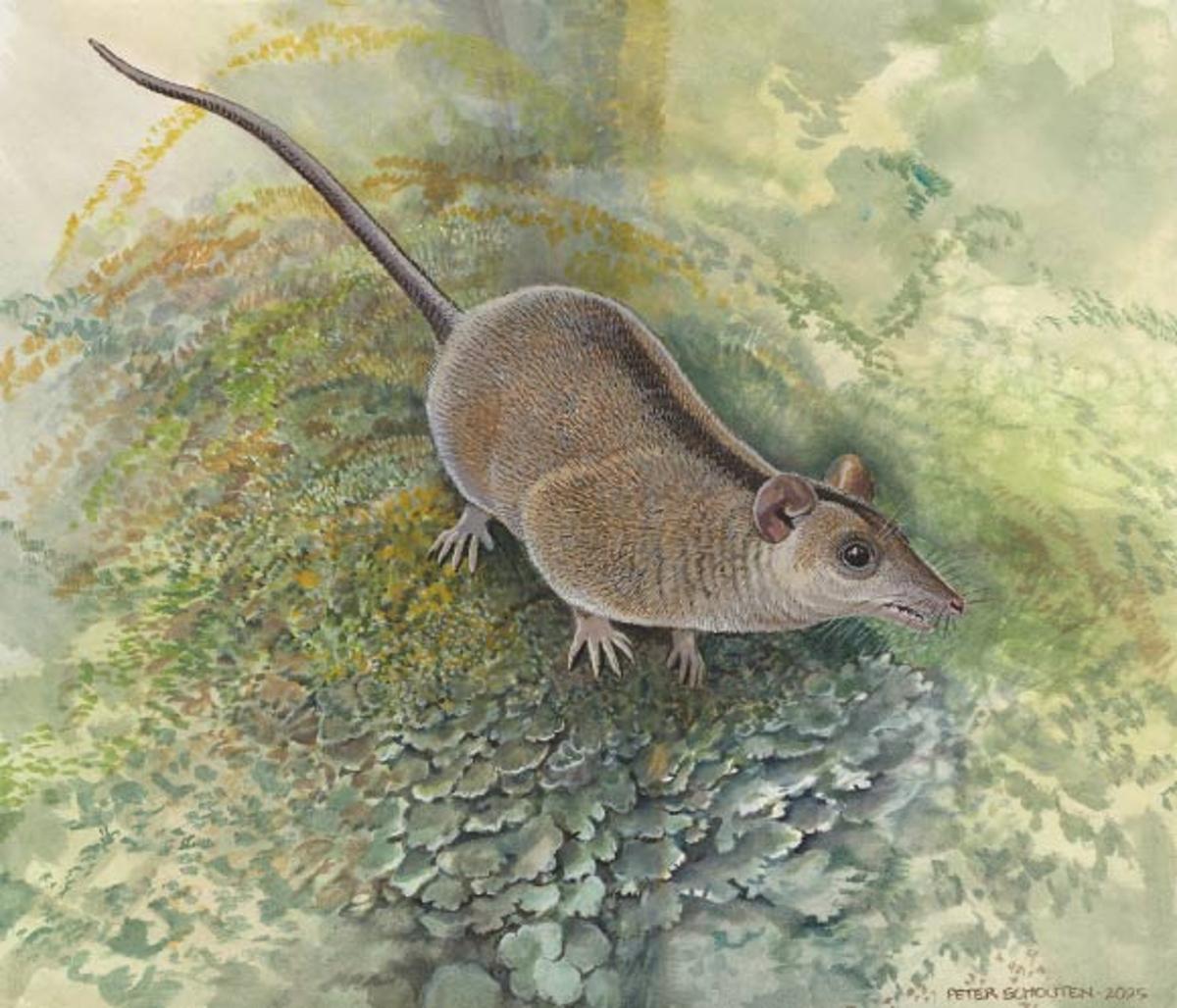
The Riversleigh World Heritage Area continues to prove its value as a window into Australia’s deep past, and the latest discovery of Keeunamorphia underscores that reputation. By unearthing three diminutive, insect‑eating marsupials that inhabited rain‑forested habitats 18 million years ago, researchers have added a new order to the continent’s fossil record. These species, ranging from shrew‑size to mouse‑size, fill a critical gap between the oldest known marsupial, Djarthia, and later, more derived lineages, offering fresh data points for calibrating molecular clocks and refining phylogenetic trees.
Beyond the sheer novelty of a new order, the morphological affinities of Keeunamorphia’s dentition suggest a Gondwanan heritage that bridges Australian and South American metatherians. This biogeographic link supports the hypothesis that early marsupial diversification occurred while the southern continents remained connected, allowing faunal exchange before Australia’s isolation. Consequently, the discovery challenges the long‑standing view that a single lineage gave rise to all modern Australian marsupials, instead painting a picture of multiple, contemporaneous lineages contributing to the continent’s unique mammalian assemblage.
The broader scientific impact lies in how the find highlights persistent gaps in the fossil record and the importance of continued excavation at sites like Riversleigh. As paleontologists integrate these new specimens into comprehensive datasets, they can better resolve the timing and pathways of marsupial evolution, informing conservation strategies for extant species whose ancestors navigated dramatic climatic and geographic shifts. The Keeunamorphia discovery thus not only rewrites a chapter of deep time but also enriches our understanding of evolutionary resilience and diversification.
New Marsupial Lineage Emerges from Australian Fossils
Comments
Want to join the conversation?
Loading comments...