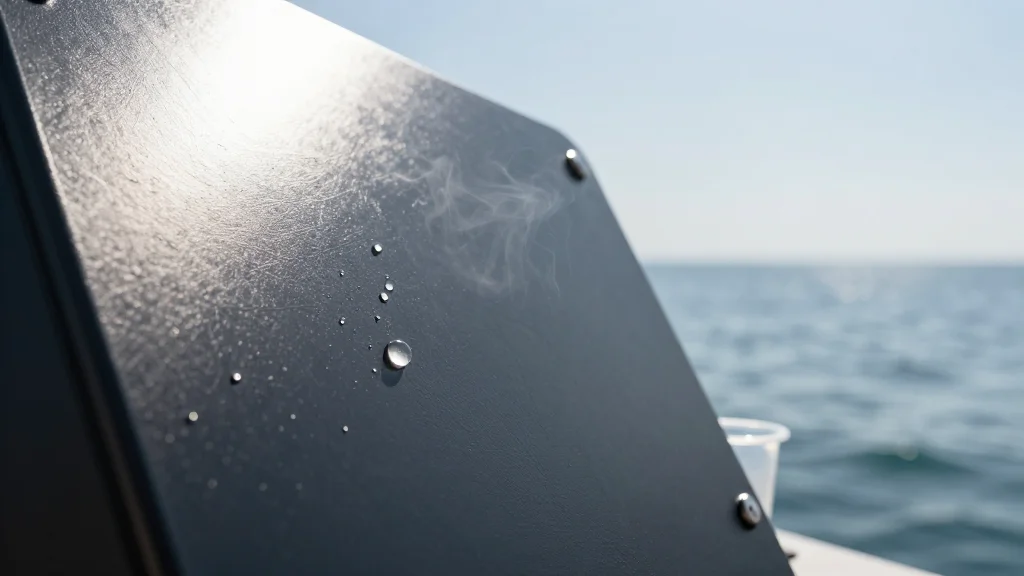
New Method Turns Ocean Water Into Drinking Water, without Waste

Why It Matters
By removing brine waste and extracting valuable minerals, the technology could lower desalination costs, reduce environmental harm, and create new domestic sources of critical battery materials.
Key Takeaways
- •Solar‑thermal panels use laser‑etched superwicking metal for self‑cleaning
- •Process extracts nearly 100% of salts as solid, eliminating brine waste
- •Recovered salts include lithium; 50% lithium extracted from Great Salt Lake samples
- •No chemical additives or pre‑treatment required, reducing operational costs
- •Scalable design could improve water access and sustainable mineral supply chains
Pulse Analysis
Water scarcity remains a pressing global challenge, with the United Nations estimating that over two billion people lack safe drinking water. Conventional desalination methods—reverse osmosis and thermal distillation—are energy‑hungry and generate concentrated brine that harms marine ecosystems. Moreover, the high operational costs and chemical pretreatment requirements limit deployment in many regions, especially those with limited infrastructure or renewable energy access.
The Rochester team’s breakthrough hinges on a laser‑etched superwicking metal surface that acts as a solar absorber and a self‑cleaning conduit for water. By exploiting the coffee‑ring effect, salts migrate to a passive zone, preventing clogging and allowing continuous evaporation without additives. The process captures nearly all dissolved solids as recoverable minerals, and early tests demonstrate the ability to isolate lithium—a key component of electric‑vehicle batteries—at roughly 50% efficiency from salt‑laden waters. This dual‑output model transforms a traditionally waste‑heavy operation into a resource‑positive one.
If the technology scales as projected, it could reshape both water and mineral supply chains. Coastal municipalities and arid inland communities could deploy modular units powered solely by sunlight, slashing energy bills and eliminating brine disposal challenges. Simultaneously, domestic lithium extraction from seawater could alleviate pressure on mining operations, supporting greener battery production. Backed by the NSF, Gates Foundation and international partners, the innovation arrives at a moment when sustainable, resilient infrastructure is a strategic priority for governments and investors alike.
New method turns ocean water into drinking water, without waste
Comments
Want to join the conversation?
Loading comments...