Why It Matters
The find refines the evolutionary timeline of Amphicyonidae, influencing how scientists view predator dispersal between North America and Eurasia during the Miocene. It also prompts taxonomic revisions that affect the classification of related fossil carnivores.
Key Takeaways
- •New bear‑dog species Paludocyon moyasolai identified from 15.9 Myr fossils.
- •Distinct molar proportions set it apart from other Paludocyon members.
- •Findings support Amphicyonidae origin in North America, not Europe.
- •Study reveals Cynelos genus is paraphyletic, prompting taxonomic revision.
- •North American Cynelos species may have evolved independently from European lineages.
Pulse Analysis
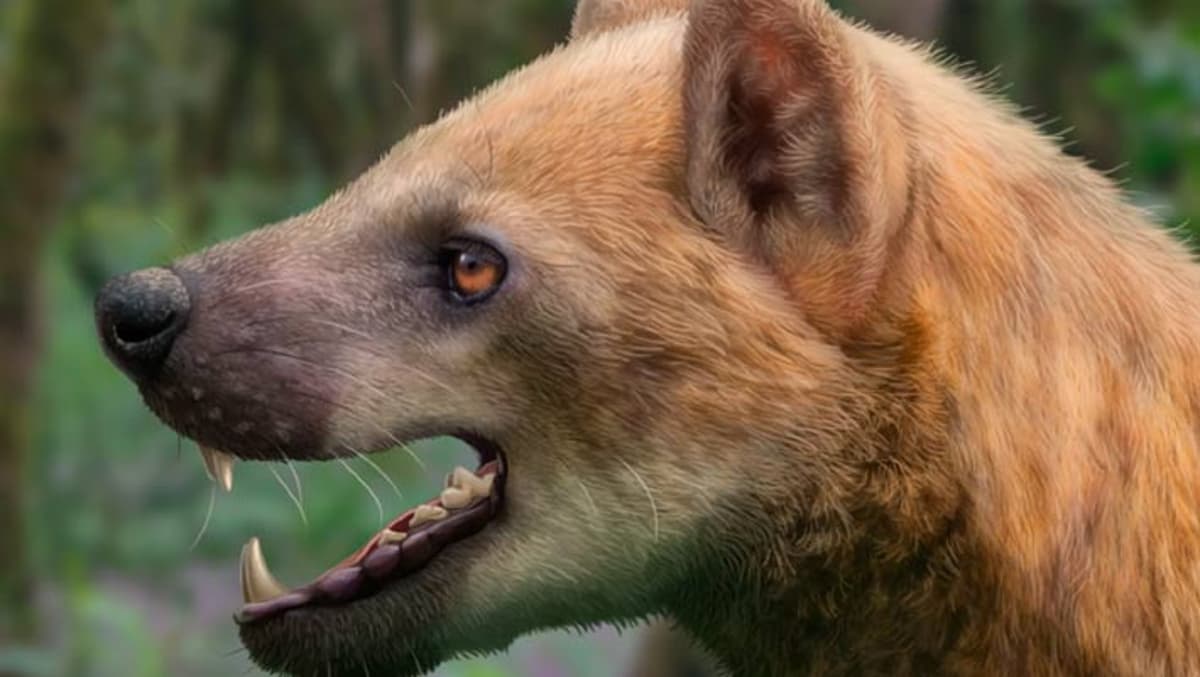
The discovery of Paludocyon moyasolai adds a fresh chapter to the story of Amphicyonidae, the extinct bear‑dogs that roamed Eurasia and North America for tens of millions of years. Unearthed from the els Casots locality in Spain’s Vallès‑Penedès Basin, the partial skull and isolated molar date to roughly 15.9 million years ago, a time when the region was a warm, forested landscape dotted with shallow lakes. The specimens preserve an unusually broad second upper molar and an oversized third upper molar, traits that distinguish the species from its closest relatives.
Beyond its distinctive dentition, Paludocyon moyasolai reshapes the phylogenetic map of bear‑dogs. Comparative analysis places the new species at the base of the Paludocyon lineage, confirming the genus’s monophyly while exposing the long‑standing Cynelos group as paraphyletic. This finding bolsters the hypothesis that Amphicyonidae originated in North America, where the fossil record is richer, before dispersing into Europe and Asia. Moreover, the three North American species traditionally assigned to Cynelos appear closer to Paludocyon, suggesting independent evolutionary pathways rather than a single trans‑Atlantic lineage.
The Spanish find underscores how localized fossil sites can illuminate global evolutionary patterns. By filling a 15‑million‑year gap in the European record, Paludocyon moyasolai provides a calibration point for molecular clocks and helps refine models of carnivore biogeography during the Miocene climate optimum. Researchers anticipate that further excavations in the Vallès‑Penedès Basin will uncover additional specimens, potentially revealing diet, locomotion, and ecological interactions with contemporary fauna. Such insights not only enrich academic understanding but also inform broader narratives about predator dynamics that shaped ancient ecosystems and set the stage for modern mammalian diversity.
New Species of Ancient Bear-Dog Identified in Spain
Comments
Want to join the conversation?
Loading comments...