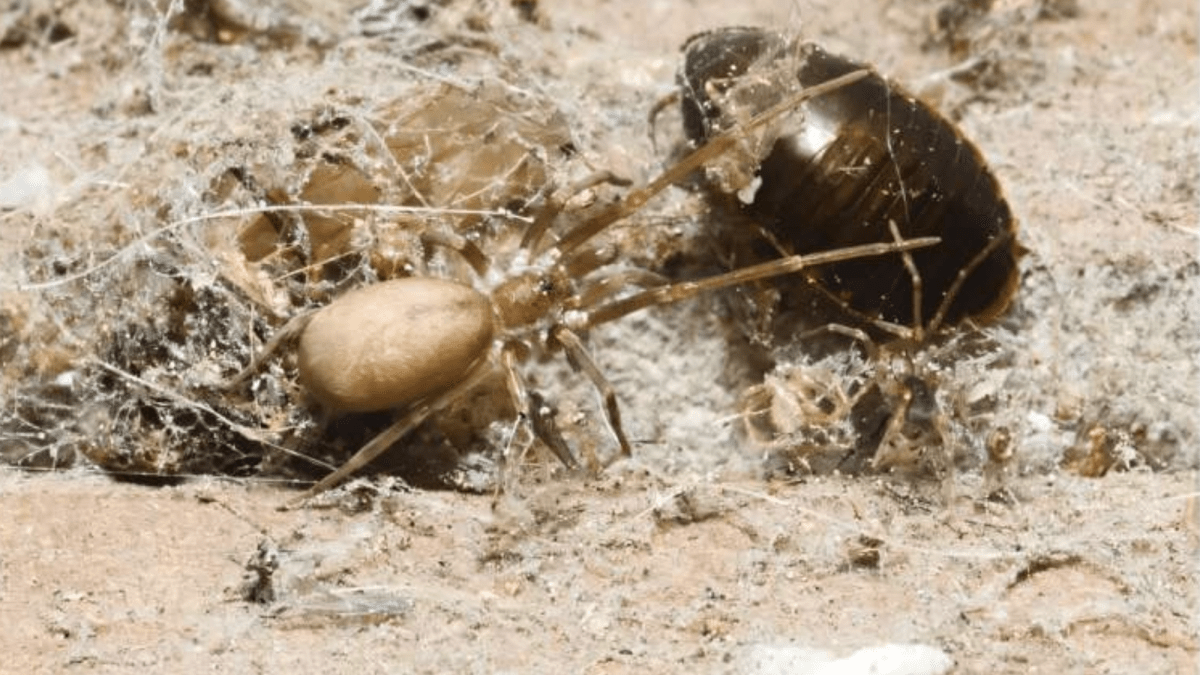
New Spider Named for Pink Floyd Devours Bugs 6x Its Size
Why It Matters
The spider’s predatory efficiency offers a natural check on urban insect populations, reducing reliance on chemical pest control. Its unexpected biogeographic link highlights gaps in our understanding of species migration across continents.
Key Takeaways
- •New Colombian spider named after Pink Floyd’s *The Wall*
- •Only 3‑4 mm long, captures prey up to six times its size
- •Lives on walls, builds webs near streetlights for insects
- •Closely related to a Galápagos species despite 1,000‑mile gap
Pulse Analysis
The discovery of *Pikelinia floydmuraria* adds a fresh chapter to urban biodiversity research. Synanthropic spiders—species that thrive alongside humans—are often overlooked, yet they serve as silent regulators of insect traffic in cities. By nesting in cracks, crevices, and even colorful murals, this Colombian spider exploits artificial lighting to attract flies, beetles, and ants, turning the urban landscape into a hunting ground. Its ability to overpower prey up to six times its own mass underscores the ecological value of tiny predators in densely populated areas.
Beyond pest control, the spider’s behavior offers insights for integrated pest‑management strategies. Traditional chemical solutions face growing resistance and environmental concerns, prompting municipalities to explore biological alternatives. The presence of a native, efficient predator like *Pikelinia floydmuraria* could reduce the need for insecticides, especially around streetlights where insects congregate. Moreover, its adaptability to human structures suggests that preserving micro‑habitats—such as wall crevices—might enhance urban resilience against vector‑borne diseases carried by flies and mosquitoes.
The taxonomic puzzle surrounding *Pikelinia floydmuraria* deepens its scientific intrigue. Its close resemblance to the Galápagos species *Pikelinia fasciata* hints at a historic dispersal event, possibly mediated by wind currents or human trade routes. DNA barcoding and phylogenetic studies are now essential to trace this lineage and clarify how similar species can emerge thousands of miles apart. Understanding these patterns not only enriches arachnology but also informs broader discussions on species migration in a changing climate.
New spider named for Pink Floyd devours bugs 6x its size
Comments
Want to join the conversation?
Loading comments...