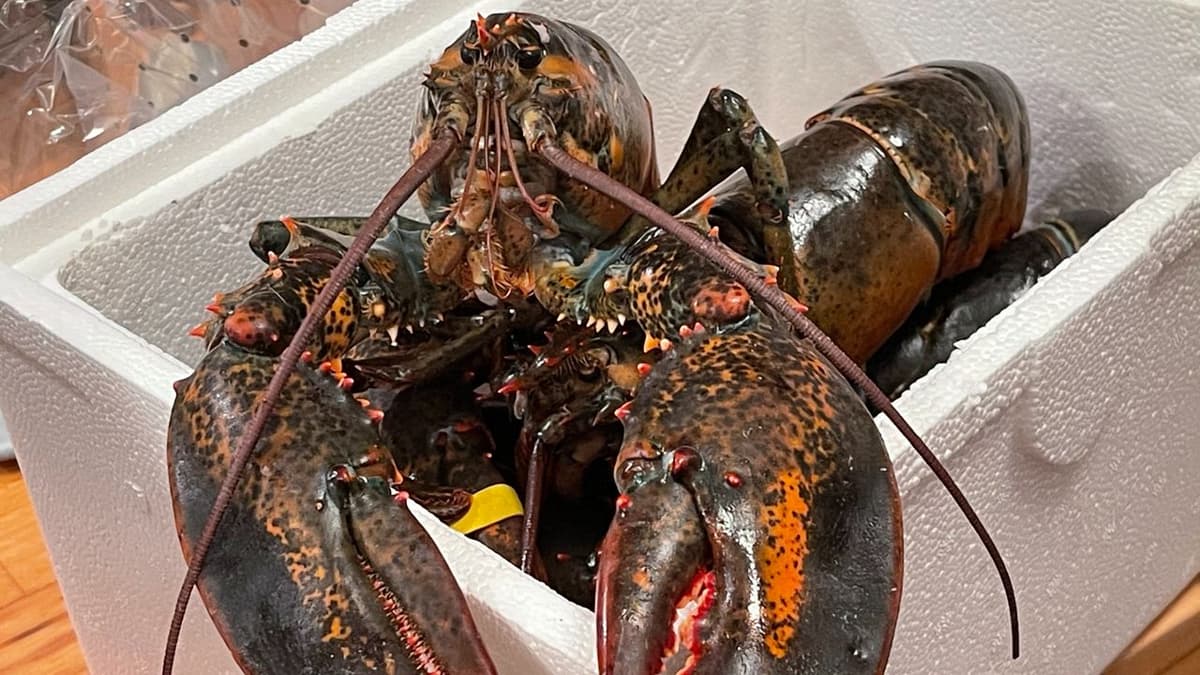
New Study Confirms Lobsters Feel Pain, Driving Scientists to Call for a Ban on Boiling Them Alive
Why It Matters
Recognizing lobsters as pain‑capable could force legislative changes that restrict current commercial practices, pushing the seafood industry toward more humane killing methods and reshaping consumer expectations.
Key Takeaways
- •Analgesics cut lobster tail‑flip responses, indicating pain perception
- •Study used 105 Norway lobsters with electric shock and drug treatments
- •UK, Norway, NZ, Austria already ban boiling live crustaceans
- •Researchers propose electrical stunning as humane alternative to boiling
- •U.S. states consider similar animal‑welfare regulations for crustaceans
Pulse Analysis
The debate over crustacean welfare has intensified as scientists accumulate physiological evidence that lobsters, crabs and even octopuses possess nociceptive pathways similar to vertebrates. The latest experiment, involving 105 Norway lobsters, demonstrated that human‑grade painkillers dramatically dampened the animals' reflexive tail flips when subjected to a controlled electric shock. By linking drug efficacy to behavioral change, the researchers argue that the tail flip is a genuine pain response, bolstering the case that these invertebrates experience suffering rather than simple stress.
For the seafood industry, the study signals a looming regulatory shift. Several European nations—Norway, Austria, parts of Australia, and New Zealand—have already outlawed the practice of boiling live crustaceans, citing animal‑welfare concerns. The United Kingdom is now drafting comparable legislation, and U.S. states such as California and Washington are watching closely as they evaluate bans on octopus farming and potential extensions to lobsters. Companies are exploring electrical stunning technologies that render crustaceans insensible before cooking, a method that could satisfy both ethical standards and consumer demand for responsibly sourced seafood.
Policy changes could reshape market dynamics and supply chains. If bans become widespread, producers may need to invest in new processing equipment, potentially raising costs but also opening premium market segments for humane‑certified products. Consumer awareness is growing, driven by high‑profile essays and media coverage, making animal‑welfare a differentiator in a competitive industry. As legislators, scientists, and industry leaders converge on this issue, the next few years will likely see a redefinition of what constitutes acceptable practice in the global seafood trade.
New study confirms lobsters feel pain, driving scientists to call for a ban on boiling them alive
Comments
Want to join the conversation?
Loading comments...