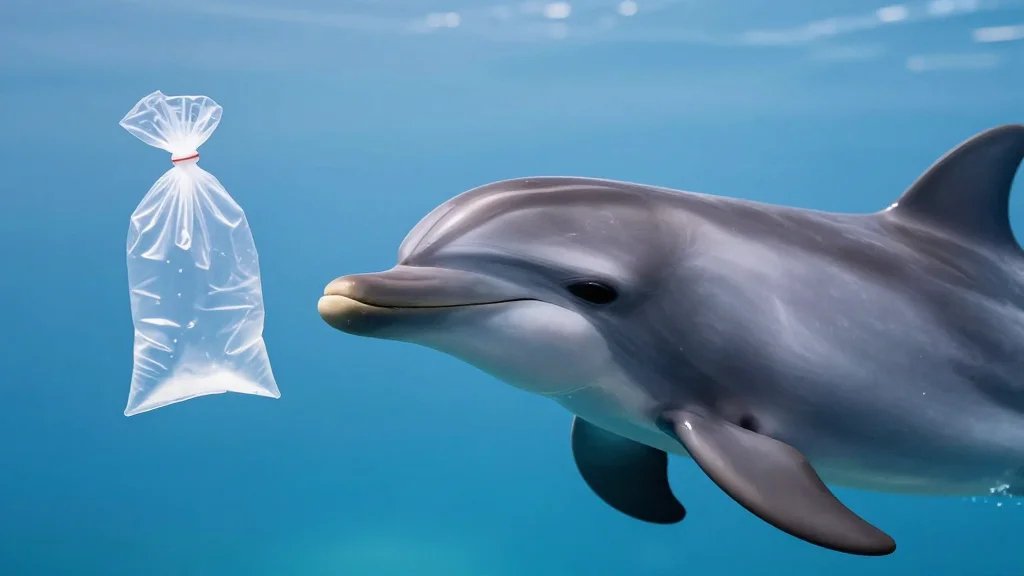
New Study Ranks Hawaiian Monk Seal as Marine Mammal Most at Risk of Extinction From Plastic Pollution
Why It Matters
The ranking pinpoints which species require urgent conservation resources, guiding NGOs and regulators to prioritize plastic‑mitigation efforts that can most effectively protect marine biodiversity.
Key Takeaways
- •Hawaiian monk seal tops vulnerability ranking for macroplastic exposure
- •Sirenians (manatees, dugongs) most vulnerable at order level
- •22 species in highest‑risk group; 17 already IUCN threatened
- •Targeted debris removal helped Hawaiian monk seal population rebound
- •Ocean Conservancy research drives policies from state bans to UN treaty
Pulse Analysis
Plastic pollution has become a defining environmental crisis, with an estimated 11 million metric tons entering the oceans each year—roughly one garbage truck of waste per minute. While all marine mammals encounter debris, the new study provides the first systematic, species‑level risk assessment, revealing that exposure, sensitivity, and population resilience vary dramatically across taxa. By scoring 117 species on 11 traits, researchers identified a high‑risk cohort dominated by small, coastal dwellers and species already teetering on the brink of extinction.
The Hawaiian monk seal’s position at the top of the list underscores the compound threat of geographic proximity to the Great Pacific Garbage Patch and behavioral traits that increase entanglement risk. Sirenians—manatees and dugongs—emerge as the most vulnerable order, reflecting their shallow‑water habitats where discarded fishing gear accumulates. Importantly, the study shows that targeted debris‑removal initiatives can reverse declines, as evidenced by the recent rebound in monk seal numbers. These insights equip conservation NGOs, fisheries managers, and policymakers with data‑driven priorities for allocating limited resources, from localized clean‑up campaigns to broader regulatory frameworks.
Beyond immediate action, the research fuels a feedback loop that strengthens ocean‑plastic governance. Ocean Conservancy’s dual focus on scientific inquiry and advocacy has already shaped legislation such as California’s SB 54 and the emerging UN Plastics Treaty. By quantifying mortality links—like the finding that less than a sixth of a soccer ball’s worth of plastic kills half of harbor porpoises—the study bolsters the case for stricter gear standards and extended producer responsibility. Continued monitoring and adaptive management will be essential as plastic production evolves, ensuring that mitigation strategies keep pace with the scale of the threat.
New Study Ranks Hawaiian Monk Seal as Marine Mammal Most at Risk of Extinction from Plastic Pollution
Comments
Want to join the conversation?
Loading comments...