Why It Matters
The discovery reshapes our understanding of dinosaur evolution by showing that early carnivorous lineages persisted longer and farther south than assumed, influencing models of Triassic ecosystems and extinction dynamics. It also highlights the American Southwest as a critical refuge for primitive dinosaurs during the planet’s final Triassic pulse.
Key Takeaways
- •New herrerasaurian species identified from a 22 cm skull in New Mexico
- •Skull shows massive cheekbones, wide braincase, short deep snout
- •Find extends herrerasaurian survival into the latest Triassic
- •Supports new clade Morphoraptora exclusive to Upper Triassic US deposits
- •Impacts theories on end‑Triassic extinction wiping out early dinosaur lineages
Pulse Analysis
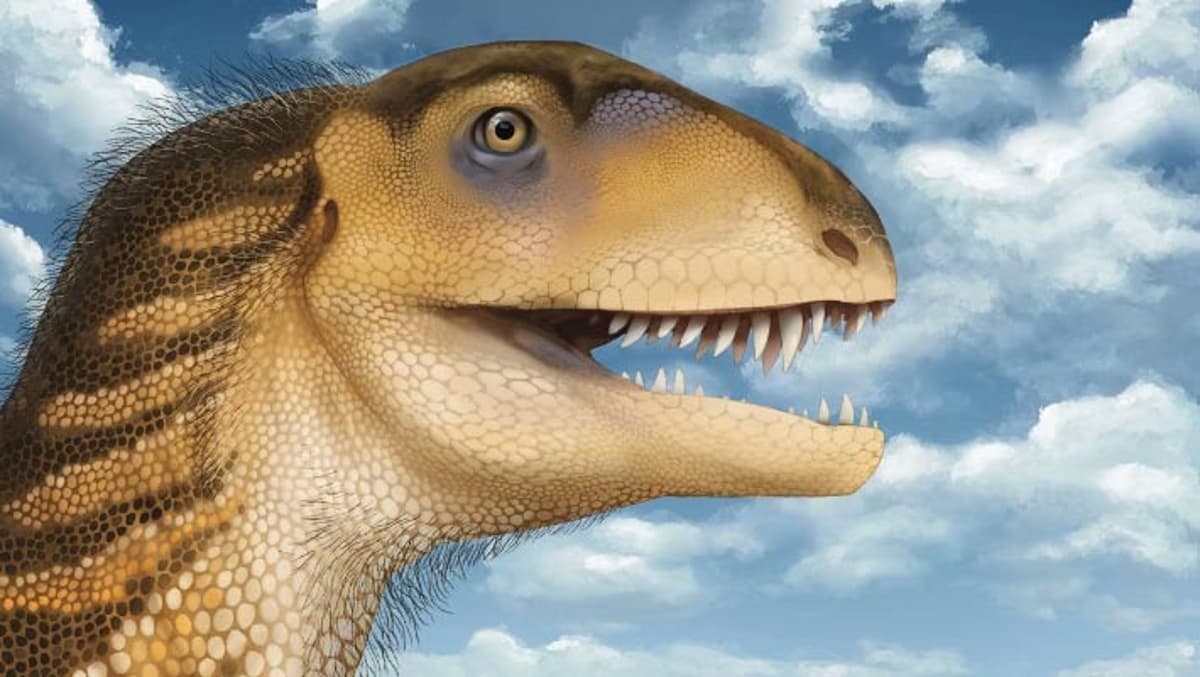
The identification of Ptychotherates bucculentus adds a rare data point to a sparsely documented interval of dinosaur history. While most early dinosaur fossils come from high‑latitude Gondwanan sites, this well‑preserved skull from the low‑latitude American Southwest provides direct evidence of morphological innovation among herrerasaurians just before the end‑Triassic crisis. Its distinctive cranial features—robust cheekbones, an expanded braincase, and a compact snout—suggest a niche specialization that may have allowed these early predators to coexist with emerging theropods.
Beyond its anatomical intrigue, the find forces a reassessment of biogeographic patterns in the Late Triassic. The presence of a herrerasaurian in New Mexico indicates that the southwestern United States served as a refugium for primitive saurischians, extending their geographic range beyond the traditionally recognized southern Pangea belt. This aligns with the newly defined clade Morphoraptora, which appears confined to Upper Triassic deposits of the region, underscoring a localized evolutionary experiment that was ultimately lost during the mass extinction at the Triassic‑Jurassic boundary.
From an extinction‑dynamics perspective, the timing of Ptychotherates offers a tangible link between the decline of early dinosaur lineages and the broader end‑Triassic event. Its disappearance in the fossil record coincides with the dramatic turnover that cleared ecological space for later Jurassic dinosaurs. By documenting that some herrerasaurians survived until the very brink of that crisis, researchers gain a clearer picture of how selective pressures reshaped vertebrate communities, setting the stage for the dinosaur dominance that defined the Mesozoic era.
New Triassic Dinosaur Species Identified in New Mexico
Comments
Want to join the conversation?
Loading comments...