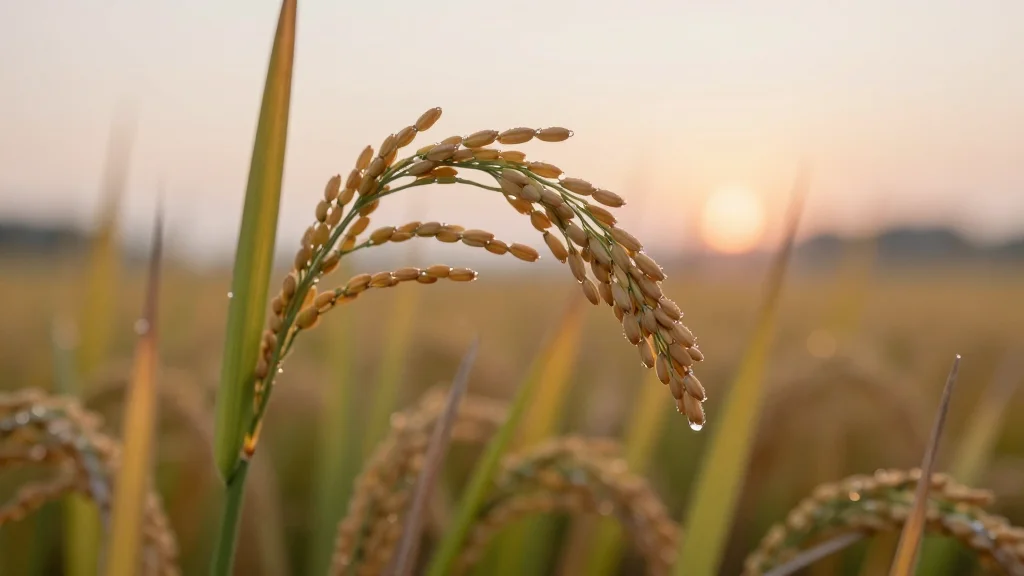
Newfound Rice Gene Shifts Flowering by 1.5 Hours to Dodge Heat Damage
Why It Matters
Earlier flowering directly protects the most temperature‑sensitive stage of rice, safeguarding yields in a warming climate and giving breeders a fast‑track tool for heat‑resilient cultivars.
Key Takeaways
- •EMF3 gene variant shifts rice flowering 1.5 hours earlier.
- •Early flowering improves grain fertility under 33‑35 °C heat stress.
- •Variant emf3‑1D absent in existing varieties, now introgressed into IR64, Swarna, etc.
- •Trait works across indica and japonica without affecting overall growth.
- •Enables gene‑editing for rapid heat‑resilient rice development.
Pulse Analysis
Heat waves linked to El Niño are eroding rice productivity worldwide, especially during the narrow window when spikelets open and fertilization occurs. When temperatures peak between 10 a.m. and noon, pollen viability drops sharply, leading to sterile grains and lower harvests. Researchers have long sought ways to decouple flowering time from the daily heat cycle, but most approaches either reduced yield potential or required extensive breeding cycles. The newly identified EMF3 allele offers a precise physiological tweak: by nudging flower opening 1.5 hours earlier, plants capitalize on cooler morning conditions, preserving fertilization rates without altering vegetative growth.
The emf3‑1D allele, discovered in a Japanese rice accession, functions as a regulator of circadian‑linked flowering pathways. Field trials showed a marked increase in seed set under simulated heat stress, confirming the allele’s protective effect. Importantly, the variant is absent from commercial germplasm, prompting rapid introgression into elite lines such as IR64, Swarna, Pusa Basmati, and even African and South American cultivars. Marker‑assisted selection and emerging prime‑editing techniques now allow breeders to stack emf3‑1D with other stress‑tolerance genes, accelerating the release of climate‑ready varieties within a few growing seasons.
For the global rice market, the EMF3 breakthrough could translate into billions of dollars of saved revenue as staple yields stabilize despite rising temperatures. Smallholder farmers in South‑Asia and Sub‑Saharan Africa, who already face volatile weather, stand to benefit from varieties that maintain grain fill without additional inputs. Moreover, the gene’s specificity—affecting only flower timing—sidesteps regulatory hurdles tied to broader genetic modifications, easing adoption pathways. As heat stress intensifies, EMF3 may become a cornerstone trait in the next generation of resilient cereals, reinforcing food security and supporting supply‑chain stability across the world’s most rice‑dependent economies.
Newfound rice gene shifts flowering by 1.5 hours to dodge heat damage
Comments
Want to join the conversation?
Loading comments...