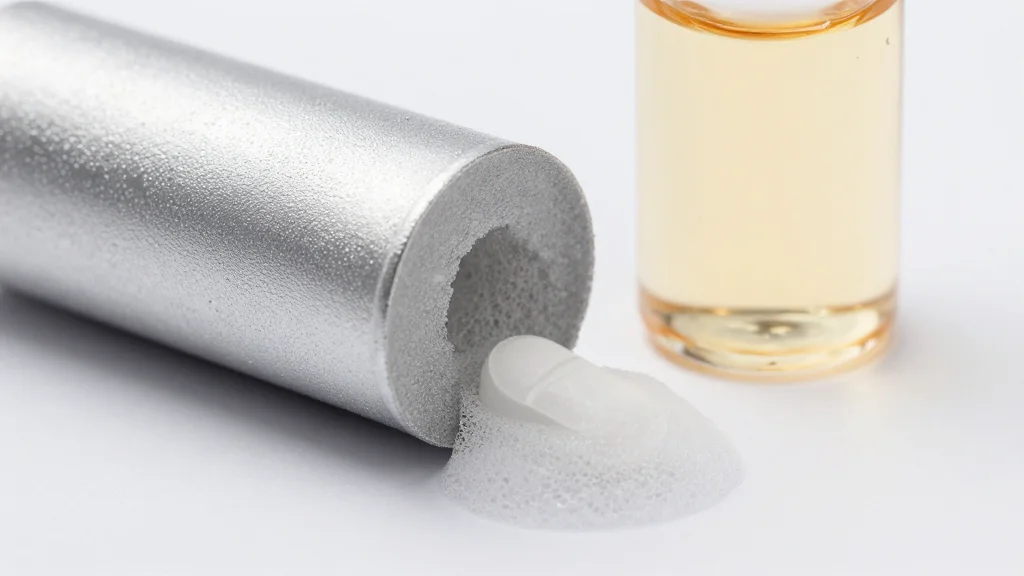
Nickel Foam Reaction Yields Valuable Aromatic Amines
Why It Matters
The technique offers a scalable, low‑cost route to high‑value aromatic amines, reducing waste and reliance on hazardous hydrogen gas, which could reshape synthetic strategies in pharma and fine‑chemical production.
Key Takeaways
- •Nickel foam enables selective reduction of nitroarenes without hydrogen gas
- •Reaction tolerates air, moisture, and halogen substituents
- •Process uses inexpensive battery‑grade nickel, recoverable with a magnet
- •Scalable to gram scale; applied to linezolid, rilpivirine, enzalutamide
- •Not effective for nitro heteroaromatics or alkyl nitro groups
Pulse Analysis
Aromatic amines are foundational building blocks in pharmaceuticals, agrochemicals, and polymers, yet their synthesis often relies on high‑pressure hydrogen, precious‑metal catalysts, or harsh reducing agents that generate significant waste. Conventional routes can also be intolerant of sensitive functional groups, limiting the structural diversity of target molecules. This backdrop has driven chemists to seek milder, more sustainable methods that maintain selectivity while cutting operational costs.
The nickel‑foam protocol sidesteps many of these constraints by leveraging the surface chemistry of battery‑grade nickel. In situ generation of Ni(0) from Ni(II) via hydrogen chloride—produced from acetyl chloride—drives a two‑electron reduction without the need for a glove box or external hydrogen gas. The foam’s porous architecture provides ample active sites, and its magnetic recoverability enables reuse, further enhancing the process’s green credentials. Crucially, the reaction tolerates air, moisture, and halogen substituents, preserving functional groups that would otherwise be compromised in traditional reductions.
From an industry perspective, the method’s simplicity and cost efficiency are compelling. It has already been applied to key intermediates for blockbuster drugs such as linezolid and enzalutamide, demonstrating gram‑scale viability. While its scope excludes nitro heteroaromatics and alkyl nitro substrates, the ease of scaling and the minimal waste profile position it as a strong candidate for broader adoption in process chemistry labs. Future work aimed at expanding substrate compatibility and integrating continuous‑flow reactors could further cement nickel foam’s role in next‑generation amine synthesis.
Nickel foam reaction yields valuable aromatic amines
Comments
Want to join the conversation?
Loading comments...