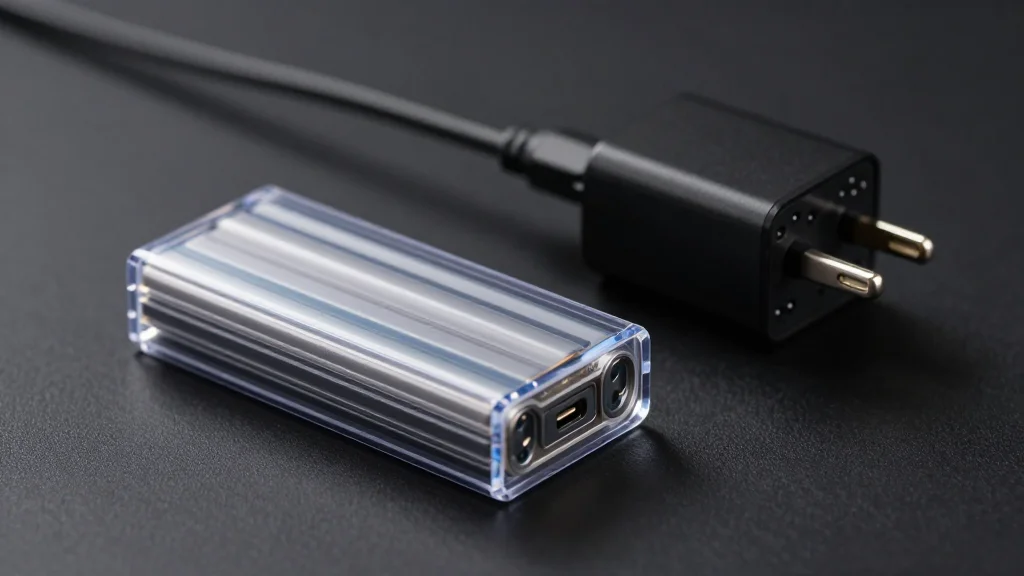
Nissan Advances Solid-State EV Battery Towards 2028 Production
Companies Mentioned
Why It Matters
By delivering higher‑density, faster‑charging batteries and affordable V2H chargers, Nissan strengthens its EV proposition and positions itself for a competitive edge as consumers demand longer range and integrated energy solutions. The parallel software and AI initiatives signal a shift toward a data‑centric, autonomous mobility ecosystem.
Key Takeaways
- •Prototype solid-state pack meets performance targets, 23‑layer stack.
- •Energy density double that of conventional lithium‑ion, doubling range.
- •Charging time reduced by roughly two‑thirds with high‑output charge.
- •Bi‑directional charger slated for 2028, priced below $9,500.
- •AI‑driven autonomous features planned for 90% of models by 2027.
Pulse Analysis
Solid‑state battery technology has long been hailed as the next breakthrough for electric vehicles, offering higher energy density and improved safety over traditional lithium‑ion chemistries. Nissan’s recent validation of a 23‑layer solid‑state pack demonstrates that the company can meet the stringent performance metrics required for commercial rollout. Achieving roughly twice the volumetric energy storage means future Nissan EVs could travel twice as far on a single charge, a compelling proposition for consumers still wary of range anxiety. Moreover, the reduced charging time—about a two‑thirds cut—aligns with market expectations for near‑instant refueling, narrowing the gap between EVs and internal‑combustion vehicles.
Equally significant is Nissan’s development of a bi‑directional charger, slated for launch in 2028, that will allow EVs to feed electricity back into homes at a price point well under the current $9,500 benchmark. This vehicle‑to‑home (V2H) capability not only provides owners with a backup power source but also creates a new revenue stream as users can sell excess energy to the grid by 2030. Affordable V2H technology could accelerate EV adoption by addressing both cost and utility concerns, positioning Nissan as a leader in the emerging home‑energy market.
Beyond hardware, Nissan is rolling out a software‑defined vehicle platform this fiscal year, laying the groundwork for AI‑driven autonomous driving slated for 2027. The platform will automate software updates and leverage vehicle‑generated data to enhance features such as the AI‑Partner navigation assistant. By targeting 90% of its model range for autonomous capability, Nissan is embedding intelligence across its lineup, reinforcing its ‘Mobility Intelligence for Everyday Life’ strategy. This integrated approach—combining advanced batteries, smart charging, and AI—signals a holistic shift toward a data‑centric, sustainable mobility ecosystem that could reshape consumer expectations and industry standards.
Nissan advances solid-state EV battery towards 2028 production
Comments
Want to join the conversation?
Loading comments...