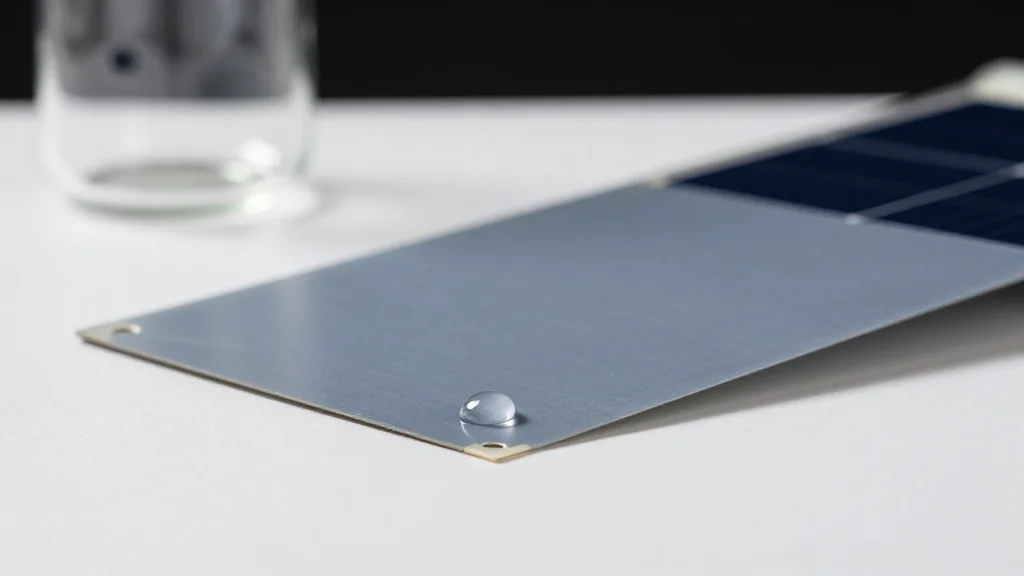
No Evidence of PFAS Leaching From Solar Panels, Study Finds
Why It Matters
Clarifying that solar panels do not release PFAS removes a perceived environmental risk and strengthens the sector’s sustainability narrative. Transparent disclosure can shape policy incentives and accelerate PFAS‑free certification programs.
Key Takeaways
- •Fluoropolymers appear in backsheets, coatings, and cable insulation of PV modules
- •No confirmed evidence of PFAS leaching from commercial solar panels
- •Survey: 59% of experts think PFAS likely; 54% cite backsheets
- •Mislabeling fluoropolymers as hazardous PFAS fuels sustainability misconceptions
- •Industry moves toward PFAS‑free certifications and greater transparency
Pulse Analysis
The rise of "forever chemicals" in public discourse has put pressure on renewable‑energy technologies to prove their environmental credentials. PFAS, a broad class of persistent compounds, have been linked to health and ecological concerns, prompting regulators and NGOs to scrutinize products ranging from cookware to firefighting foam. Solar photovoltaics, as a cornerstone of clean‑energy transitions, have not been immune to this scrutiny, with critics questioning whether panels might leach PFAS into soil and water over their decades‑long service life.
In a recent perspective paper, researchers from Michigan State University and Oak Ridge National Laboratory conducted a systematic literature review and consulted 48 industry experts to separate fact from speculation. Their findings confirm that only fluoropolymers—large, inert polymers technically classified under the PFAS umbrella—are present in a few module components such as backsheets, certain glass coatings, and cable insulation. Unlike smaller, mobile PFAS like PFOA or PFOS, these polymers exhibit low solubility and negligible bioavailability, and no peer‑reviewed study has documented measurable leaching from field‑installed panels. Yet, a survey revealed that a majority of professionals still assume PFAS usage, underscoring a pervasive knowledge gap.
The implications are twofold. First, dispelling the myth of PFAS leaching removes a barrier to broader solar adoption, especially in regions with stringent environmental regulations. Second, the study’s call for transparent labeling and PFAS‑free certification aligns with emerging market trends, as manufacturers seek to differentiate their products through greener supply chains. Policymakers can leverage these insights to craft targeted incentives, while researchers continue to monitor any future shifts in material formulations. Ultimately, clear communication about fluoropolymer use will bolster confidence in solar PV’s sustainability profile.
No evidence of PFAS leaching from solar panels, study finds
Comments
Want to join the conversation?
Loading comments...