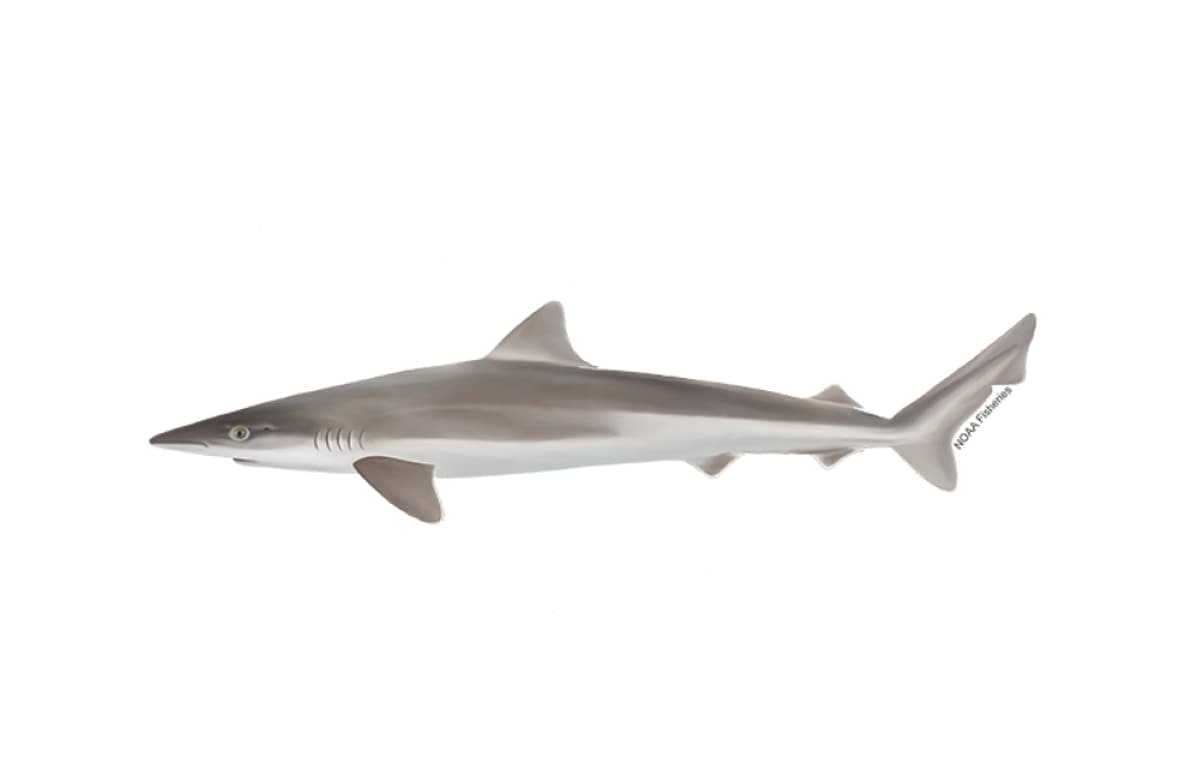
NOAA Fisheries Determines some Tope Sharks Should Be Listed Under the ESA
Why It Matters
Listing the two at‑risk DPSs triggers federal protections that could curb fin‑trade and bycatch, offering a lifeline for severely depleted tope shark stocks. The move also signals heightened regulatory scrutiny for offshore fisheries targeting vulnerable shark species.
Key Takeaways
- •Two tope shark DPSs listed as threatened under ESA
- •Four other DPSs deemed not at risk of extinction
- •NGOs sued NOAA to compel 12‑month ESA determination
- •Listing targets Southern Africa and Southwest Atlantic populations
- •Conservation groups urge protection for all tope sharks
Pulse Analysis
The tope shark, a pelagic predator prized for its fins, has seen its global population plunge roughly 90 percent over the past eight decades, earning a critically endangered rating from the IUCN. Overfishing, illegal finning, and incidental catch in distant‑water tuna and swordfish fleets have driven the decline, prompting NGOs to petition the U.S. government for ESA protection. By dissecting the species into six distinct population segments, NOAA applied a nuanced scientific framework that recognizes regional differences in threat levels, a practice increasingly common in marine conservation policy.
NOAA's mixed finding reflects both progress and controversy. The agency’s decision to list the Southern Africa and Southwest Atlantic DPSs as threatened obligates federal agencies to develop recovery plans, restrict harmful fishing practices, and consider habitat protections in offshore management zones. Conversely, the determination that the four other DPSs are not at risk leaves those stocks under existing commercial regulations, a stance that critics argue may underestimate future threats such as climate‑driven habitat shifts. The ruling also fulfills a court‑mandated deadline, illustrating how litigation can accelerate governmental action on biodiversity issues.
For the fishing industry, the ESA listing introduces new compliance requirements, including potential gear modifications, observer programs, and reporting obligations aimed at reducing bycatch. While some stakeholders fear economic impacts, the broader market is shifting toward sustainable seafood certifications that favor species with robust management. Internationally, the U.S. decision adds pressure on regional fisheries management organizations to adopt stricter catch limits for tope sharks, aligning with global efforts to curb illegal, unreported, and unregulated (IUU) fishing. Ultimately, the partial protection may serve as a catalyst for broader, ecosystem‑based approaches that safeguard not only tope sharks but the oceanic food web they support.
NOAA Fisheries determines some tope sharks should be listed under the ESA
Comments
Want to join the conversation?
Loading comments...