Why It Matters
An unprecedented El Niño amplifies climate‑related risks, threatening agriculture, economies, and disaster‑response capacities worldwide.
Key Takeaways
- •NOAA confirms El Niño with 0.5 °C Pacific warming.
- •63% probability of 2 °C sea‑surface temperature rise.
- •Potential exceed 3 °C, unprecedented strength.
- •Global weather extremes and food security risks heightened.
- •US hurricane season expected to be unusually quiet.
Pulse Analysis
The latest NOAA advisory marks a pivotal moment for climate monitoring, as the Pacific’s warm anomaly now meets the formal El Niño threshold. Historically, El Niño episodes have been linked to temperature spikes of 1‑2 °C, but the projected 3 °C rise pushes the event into uncharted territory. Scientists attribute this amplification to a warming baseline caused by anthropogenic greenhouse gases, meaning each successive El Niño carries a higher probability of severe downstream effects.
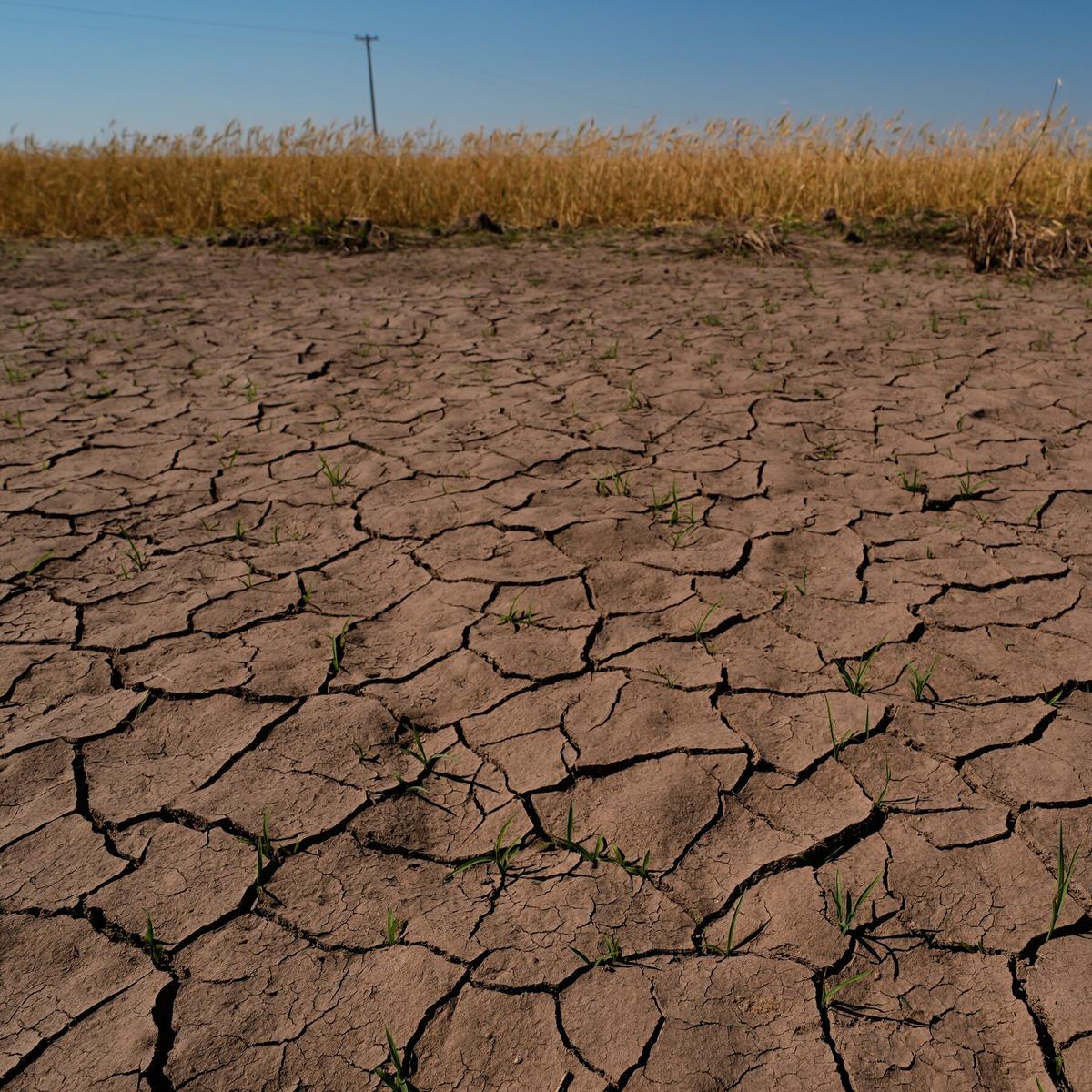
From an economic perspective, the emerging El Niño will reshape weather‑driven markets across continents. In the Americas, increased rainfall may alleviate drought in parts of the United States but will likely trigger flooding in coastal zones, stressing infrastructure and insurance sectors. Conversely, South and Southeast Asia, Australia, and southern Africa face heightened dryness, jeopardizing staple crop yields and inflating food prices. The advisory also notes a quieter Atlantic hurricane season, offering short‑term relief for energy and shipping firms but raising concerns about algal blooms and high‑tide flooding along the West Coast, which could disrupt ports and fisheries.
Policymakers and corporate risk managers must now integrate this heightened El Niño risk into strategic planning. Enhanced forecasting models, bolstered by satellite data, can improve early‑warning systems for agriculture and disaster response. Simultaneously, supply‑chain stakeholders should reassess inventory buffers for commodities vulnerable to climate shocks, such as fertilizers already constrained by geopolitical tensions. By aligning investment in resilient infrastructure with proactive climate‑adaptation policies, businesses can mitigate the financial fallout of what experts deem a potentially catastrophic El Niño event.
NOAA Issues El Nino Advisory
Comments
Want to join the conversation?
Loading comments...