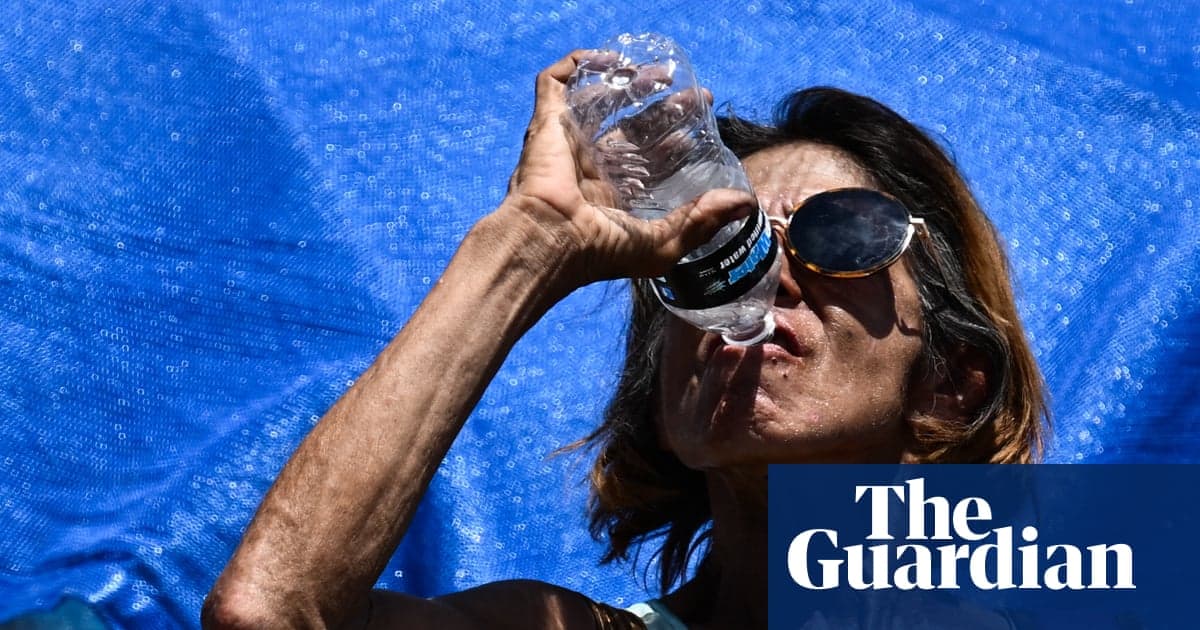
‘Non-Survivable’: Heatwaves Are Already Breaching Human Limits, with Worse to Come, Study Finds
Why It Matters
The research reveals that current heat‑wave metrics underestimate fatal risk, signaling urgent public‑health and climate‑policy action to protect vulnerable populations as global warming intensifies.
Key Takeaways
- •Six historic heatwaves proved lethal for people over 65
- •New survivability model includes age, humidity, and shade factors
- •Deaths likely under‑reported, especially in dense, developing regions
- •Older adults' reduced sweating raises risk during prolonged heat
- •Findings suggest climate‑change mitigation essential for habitability in tropics
Pulse Analysis
The study introduces a refined human‑survivability model that moves beyond simple temperature thresholds. By integrating wet‑bulb temperature with physiological factors such as age‑related sweat capacity and exposure to direct sunlight, researchers identified non‑survivable windows during six well‑documented heatwaves—from Mecca to Phoenix. This approach uncovers hidden danger zones that traditional metrics missed, showing that even moderate wet‑bulb readings can be deadly for seniors and, in extreme cases, younger adults.
Public‑health officials have long struggled with accurate heat‑related mortality counts, especially in rapidly growing cities of the Global South. The authors argue that official tallies dramatically under‑state the true toll because they rely on temperature alone and ignore humidity‑driven heat stress. Their findings suggest hundreds of millions of people already live under chronic, life‑threatening heat exposure, with older populations bearing the brunt due to diminished sweating efficiency. This under‑reporting hampers resource allocation for cooling centers, early‑warning systems, and medical preparedness.
Policy implications are stark. As climate models project more frequent and intense heatwaves, the new survivability thresholds signal that many current urban designs and labor practices are unsustainable. Governments must prioritize heat‑mitigation strategies—such as expanding green infrastructure, enforcing building codes that enhance passive cooling, and investing in community‑level shade and water access. Without decisive action, the physiological limits highlighted by the study could translate into widespread morbidity, economic disruption, and heightened inequality across the hottest regions of the world.
‘Non-survivable’: heatwaves are already breaching human limits, with worse to come, study finds
Comments
Want to join the conversation?
Loading comments...