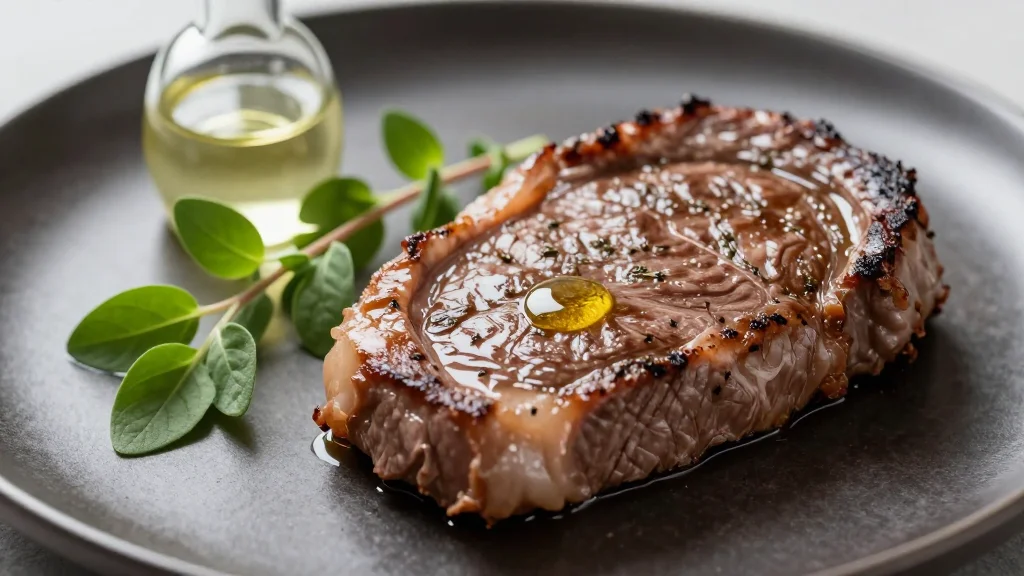
Non-Volatile and Volatile Compound Analyses Revealed the Effect of Oregano Essential Oil on the Flavor Characteristics of Beef
Companies Mentioned
Why It Matters
OEO provides a clean‑label, plant‑based feed additive that can boost beef palatability, helping producers meet rising consumer expectations for natural, flavorful meat products.
Key Takeaways
- •High-dose OEO (260 mg/day) boosts umami and sweet amino acids in beef
- •ADP levels rise; IMP and GMP show numeric increases enhancing taste
- •Six volatiles (octanal, pentanal, 3‑methylbutanal, 2‑butanone, 2‑pentanone, 2‑pentyl furan) define improved flavor
- •Aldehydes and ketones increase while esters decrease, sharpening beef aroma
- •Electronic nose and GC‑IMS confirm distinct odor profile for OEO‑fed cattle
Pulse Analysis
Consumer demand for clean‑label, high‑quality meat is driving research into natural feed additives. Oregano essential oil, rich in phenolic compounds like carvacrol and thymol, has long been prized for its antimicrobial and antioxidant properties. Recent advances in analytical techniques, such as electronic nose sensors and gas chromatography‑ion mobility spectrometry, enable precise mapping of how such additives influence the complex chemistry of meat flavor, bridging the gap between animal nutrition and sensory science.
The study on Pingliang red cattle revealed that supplementing diets with 260 mg of OEO daily reshapes the biochemical landscape of beef. Non‑volatile analyses showed elevated levels of umami‑linked amino acids (glutamic and aspartic acid) and sweet amino acids, alongside a rise in ADP, suggesting enhanced nucleotide metabolism that can intensify taste perception. Volatile profiling uncovered a surge in aldehydes and ketones—compounds known for fatty, fruity, and nutty notes—while ester concentrations fell, reducing off‑flavors. Six volatiles, including octanal and 3‑methylbutanal, emerged as signature markers of the OEO‑induced flavor boost, highlighting a coordinated shift in both taste precursors and aroma emitters.
For the beef industry, these findings present a viable pathway to differentiate products without resorting to synthetic flavor enhancers. Incorporating OEO at the demonstrated dosage could improve consumer acceptance, command premium pricing, and align with sustainability narratives centered on plant‑derived inputs. Future work should explore the mechanistic links between OEO’s antioxidant action and muscle metabolism, as well as assess scalability across breeds and production systems. As regulatory frameworks increasingly favor natural additives, OEO stands poised to become a key tool in the next generation of flavor‑focused livestock nutrition.
Non-volatile and volatile compound analyses revealed the effect of oregano essential oil on the flavor characteristics of beef
Comments
Want to join the conversation?
Loading comments...