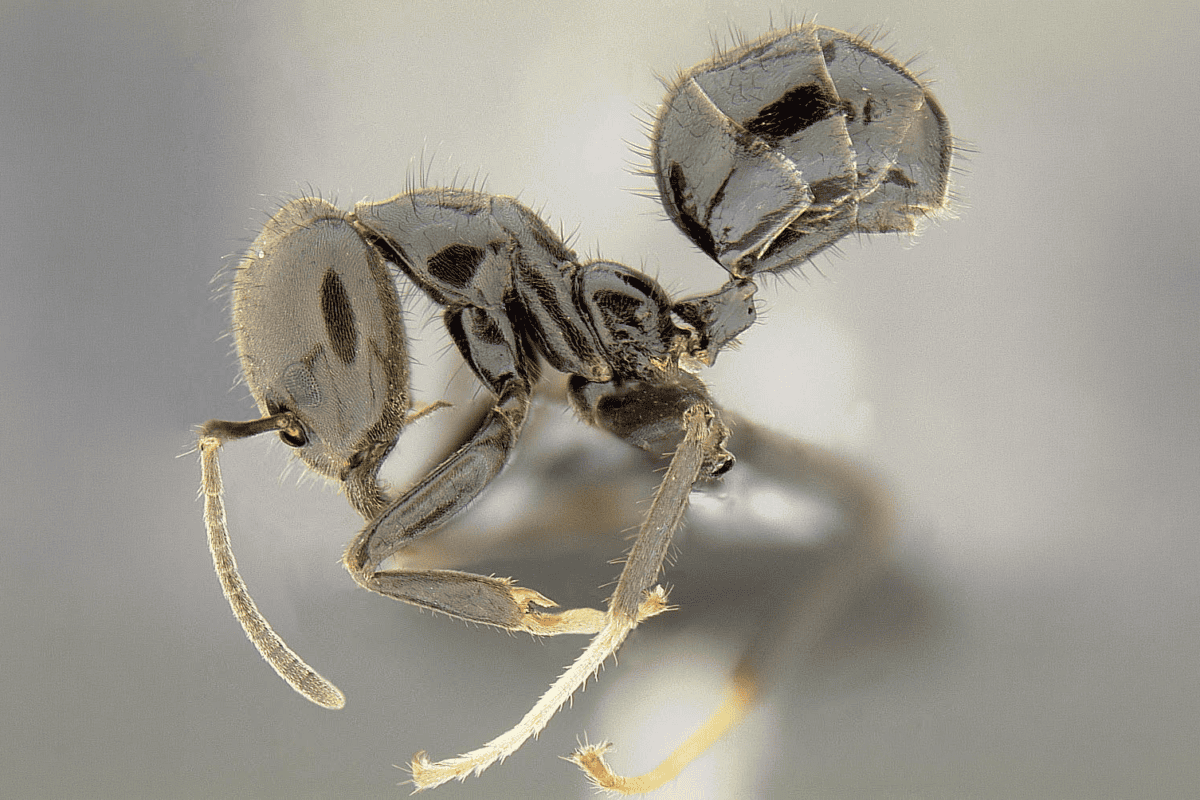
Novel DNA Research Shows Massive Native Ant Decline over Hundreds of Years in Fiji
Why It Matters
The findings provide concrete, long‑term evidence that human activity is eroding island insect diversity, a warning sign for global biodiversity and ecosystem services. They also demonstrate how museum DNA can inform urgent conservation strategies.
Key Takeaways
- •80% of Fiji’s 88 endemic ants have declined since human arrival
- •Community genomics extracts population trends from museum DNA specimens
- •Sharp ant decline began ~300 years ago with European colonization
- •Invasive species and industrial agriculture drive island insect extinctions
Pulse Analysis
The breakthrough "community genomics" method leverages DNA extracted from centuries‑old museum specimens to reconstruct whole‑community dynamics, a task traditionally impossible for insects whose populations are rarely monitored in the field. By sequencing more than 4,100 ants representing 144 species, researchers turned static collections into a living database, revealing patterns that span millennia and offering a template for similar studies worldwide.
In Fiji, the genomic data paint a stark picture: nearly four‑fifths of the archipelago’s endemic ants have been on a downward trajectory since humans first set foot on the islands 3,000 years ago. The decline accelerated dramatically around 300 years ago, aligning with European colonization, the rise of industrial agriculture, and the introduction of invasive species. While a small cohort of non‑native ants flourished, the loss of native species threatens ecological functions such as seed dispersal, soil turnover, and even unique mutualisms like the farming behavior of Philidris nagasau.
These results reinforce a broader consensus that island ecosystems are hotspots of extinction risk, especially for insects that lack the resilience of more mobile fauna. The study highlights the urgent need for targeted conservation measures—such as invasive‑species control and habitat protection—to halt further loss. Moreover, it showcases the growing strategic importance of museum collections as reservoirs of genetic information, capable of informing policy and guiding restoration efforts in an era of accelerating biodiversity decline.
Novel DNA research shows massive native ant decline over hundreds of years in Fiji
Comments
Want to join the conversation?
Loading comments...