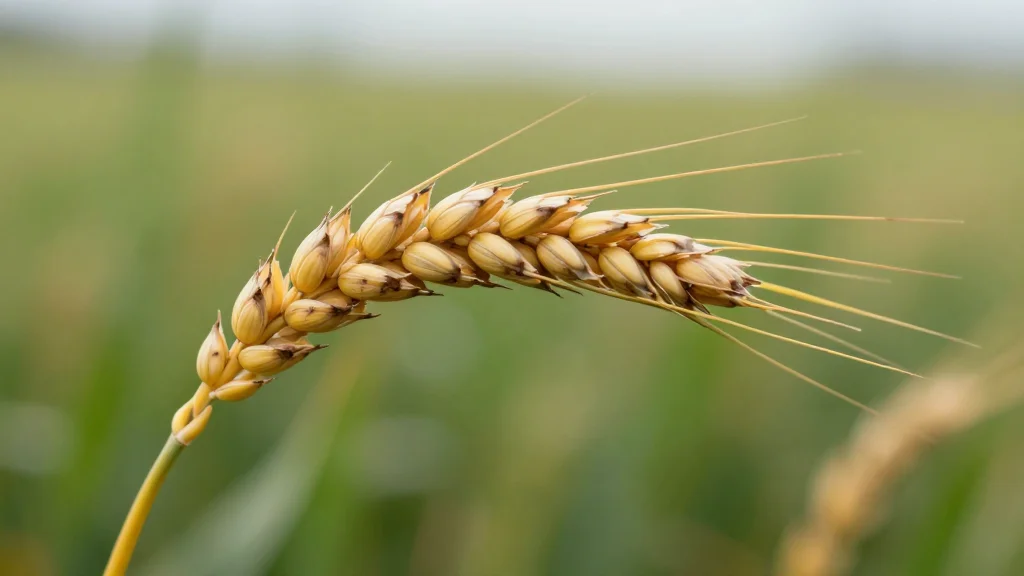
Novel Wheat Hybrids Increase Resistance to Major Fungal Disease by up to 70%
Why It Matters
FHB threatens global grain yields and food safety; a robust resistance source can protect harvests and reduce costly crop losses. The discovery expands the genetic toolkit for wheat breeders, helping to safeguard supply chains and consumer health.
Key Takeaways
- •Hybrid wheat with Fhb.Er‑1StL cuts FHB damage by up to 70%
- •Resistance locus originates from wild weed Elymus repens, a wheat relative
- •Greenhouse trials showed 69% reduction; field trials showed 60% reduction
- •No known alien resistance markers detected, confirming novel gene source
- •Provides new breeding material to diversify wheat's genetic resistance base
Pulse Analysis
Fusarium head blight remains one of the most destructive cereal diseases, capable of wiping out up to 30% of wheat yields and contaminating grain with mycotoxins that jeopardize human and animal health. Traditional control methods rely heavily on fungicides, which raise production costs and face regulatory scrutiny. Consequently, breeding for innate resistance is the most sustainable defense, yet the genetic reservoir for FHB resistance in wheat has been notoriously narrow, limiting progress for decades.
The breakthrough reported by Dr. Yinghui Li and Dr. Houyang Kang leverages the genetic compatibility between wheat and its wild relative Elymus repens. By introgressing the newly identified Fhb.Er‑1StL locus, the team produced hybrids that reduced disease incidence by 69% in controlled greenhouse environments and 60% in real‑world field conditions. Importantly, molecular analysis confirmed the absence of previously cataloged alien resistance markers, establishing Fhb.Er‑1StL as a genuinely novel source. This adds a valuable tool to the breeder's arsenal, enabling the stacking of multiple resistance genes to achieve durable protection.
The commercial implications are significant. Wheat producers can anticipate higher, more reliable yields and lower reliance on chemical sprays, translating into cost savings and a smaller environmental footprint. For the broader agri‑food sector, the development supports global food security by mitigating a key threat to staple grain supplies. As breeding programs integrate Fhb.Er‑1StL into elite cultivars, the industry will likely see a new generation of wheat varieties that combine high productivity with robust disease resistance, setting a benchmark for future crop improvement initiatives.
Novel wheat hybrids increase resistance to major fungal disease by up to 70%
Comments
Want to join the conversation?
Loading comments...