NTPDase2 Suppresses Hippocampal Astrocyte-Supplied Cholesterol Through Hydrolyzing eATP in Depression
Why It Matters
By connecting cholesterol dysregulation to depression pathophysiology, the research highlights NTPDase2 as a novel therapeutic target and suggests cholesterol‑based interventions could address mood disorders.
Key Takeaways
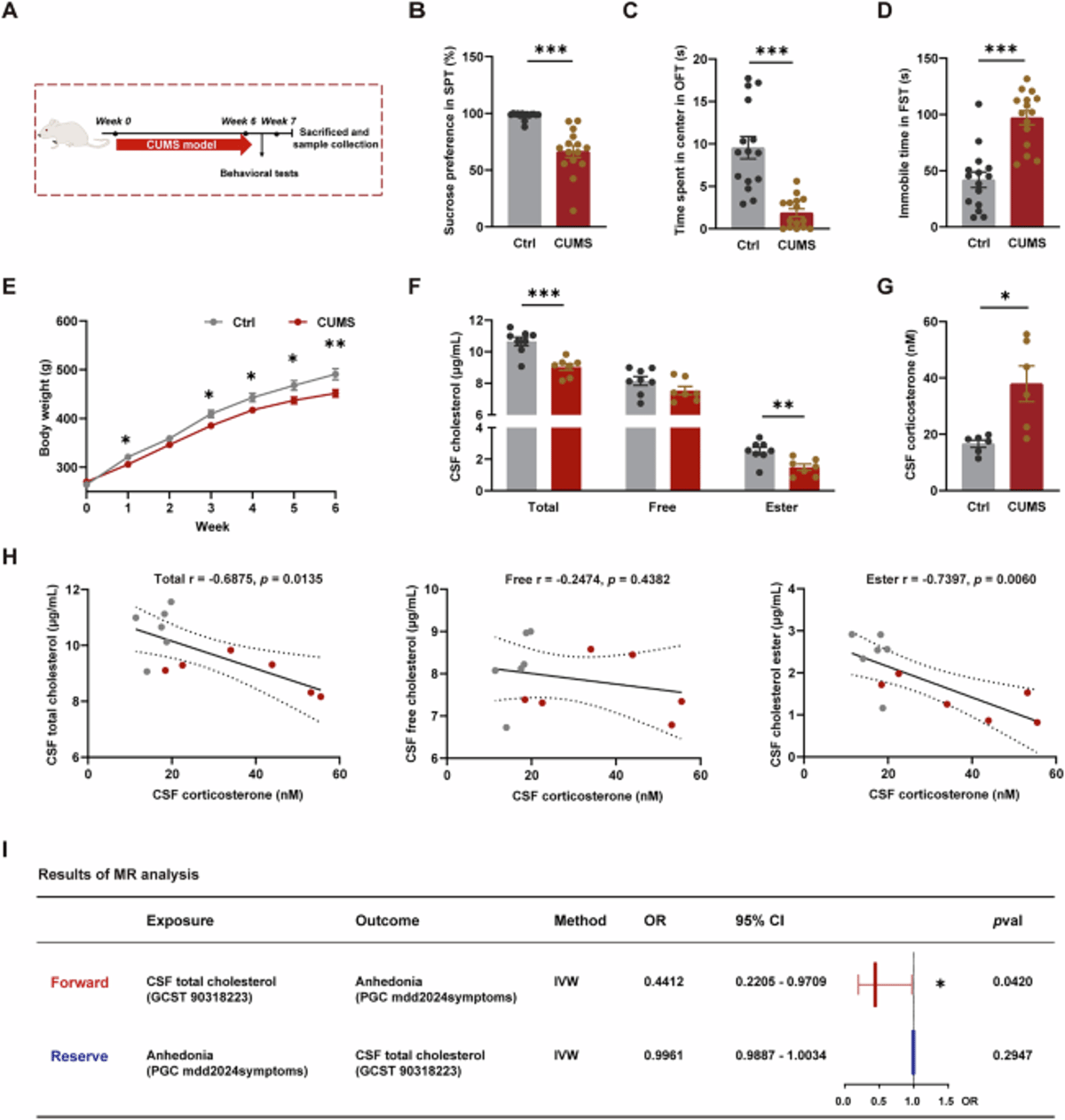
- •Depressed rats show reduced CSF ApoE‑Lps cholesterol.
- •Corticosterone raises NTPDase2, cutting eATP and ABCG1 cholesterol efflux.
- •Intracerebroventricular cholesterol restores hippocampal neuron structure in rats.
- •AAV‑mediated Ntpdase2 knockdown boosts neuronal cholesterol and eases depressive behavior.
- •Mendelian randomization links low CSF cholesterol to anhedonia risk.
Pulse Analysis
Cholesterol homeostasis in the brain has long been implicated in mood regulation, yet direct mechanistic links to depression remain sparse. Recent epidemiological work connected low peripheral cholesterol with depressive symptoms, but this study provides the first causal evidence that cerebrospinal fluid (CSF) cholesterol, specifically the ApoE‑lipoprotein fraction, is depleted in animal models of chronic stress. By leveraging Mendelian randomization, the authors demonstrate that genetically lower CSF cholesterol raises the risk of anhedonia, positioning cholesterol as more than a peripheral biomarker—it is a central neurochemical driver of depressive phenotypes.
The mechanistic core centers on NTPDase2, an ectonucleotidase that degrades extracellular ATP (eATP). Under corticosterone exposure, astrocytes up‑regulate NTPDase2, which rapidly hydrolyzes eATP, a crucial co‑factor for ABCG1‑mediated cholesterol efflux. The resulting blockade curtails the supply of cholesterol to hippocampal neurons, leading to dendritic atrophy and behavioral despair. This astrocyte‑neuron lipid axis underscores how stress hormones can rewire purinergic signaling to impair membrane composition, synaptic plasticity, and ultimately mood regulation.
Therapeutically, the findings open two promising avenues. First, direct cholesterol supplementation into the CSF rescues neuronal structure and mitigates depressive‑like behavior, suggesting that targeted lipid delivery could complement existing antidepressants. Second, genetic or viral knockdown of Ntpdase2 restores eATP levels, reactivates ABCG1 transport, and normalizes cholesterol flux, highlighting NTPDase2 inhibition as a druggable target. Translating these insights to humans will require careful assessment of blood‑brain barrier permeability and safety, but the study lays a robust foundation for cholesterol‑centric strategies in treating mood disorders.
NTPDase2 suppresses hippocampal astrocyte-supplied cholesterol through hydrolyzing eATP in depression
Comments
Want to join the conversation?
Loading comments...